Discovering the Greek Diet with Black-Eyed Peas
Growing up in a Greek household I never heard the word “diet” or a discussion about anyone’s weight. I looked up the word in my Greek dictionary and it said, “diaita.” So the ancient Greek word for diet meant ‘’way of living’’ in general and was not referring to the dietary needs and habits of the people. Instead it has to do with the type of lifestyle we live – work, sleep, friends, social activities, community, and place of living. The Greek cuisine today continues to be celebrated through religious beliefs, customs, and a simplified lifestyle.
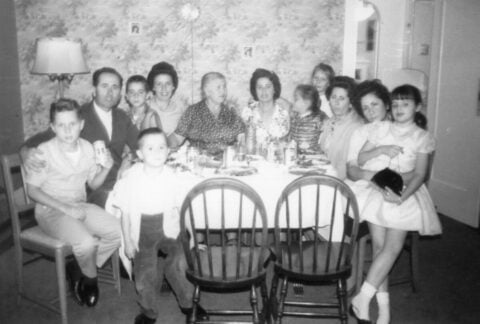
As kids we ate whatever our relatives prepared, only one meal that was fresh and simply made. Today, those dishes have become our comfort food that we serve to our family. By the way, growing up in San Diego there were 11 cousins plus some, and our household was always buzzing with relatives and neighbors. You know the old saying, everyone in the Greek community is related to one another, so you guessed it, we never had an empty home.
As I prepared myself for this project I read so much research these past few weeks, that I actually started dreaming in Greek again. This happens to me when I first return home from a long trip to the old country. Right?
Let’s get down to facts about the Greek diet, their eating habits and lifestyle:
- If you have the following 6 ingredients in your kitchen you’re on your way to cooking Greek: Extra-virgin olive oil, tomatoes, garlic, lemons, oregano, and feta.
- Create a vegetable garden or shop locally at farmers market.
- Cook at home as often as possible.
- Sit down at the table and eat together.
Why is this diet so healthy for us? This was answered repeatedly throughout the several studies I examined. Overall, the people of Crete were chosen to be studied because it was determined they had the lowest death rate among the Greeks.
Here’s a short overview of what I found.
The dietary pattern of the Cretans shows a number of protective substances:
- A balanced ratio of essential fatty acids in their diet
- High amounts of fiber
- Antioxidants (resveratrol from wine)
- Polyphenols (from olive oil)
- High levels of Vitamins E and C
- Levels of Selenium (mineral) and Glutathione (antioxidant)

How to eat like a Cretan in the U.S.
- EAT GREENS: They found 70 types of greens in Crete, 10 times the level of antioxidants in green tea or wine.
- DRINK HERBAL TEA: Include herbal teas, 5-6 times a day.
- USE HERBS: Substitute fresh herbs and spices instead of salts to flavor foods.
- SEVEN or MORE SERVINGS A DAY of antioxidant-rich fruits and vegetables.
- DAILY handful of nuts.
- USE OLIVE OIL as the main source of added fat.
- EAT FOODS high in fatty acids: mackerel, trout, herring, sardines, albacore tuna, salmon, walnuts, flax seeds, and green leafy vegetables.
- REDUCE meat consumption, use grass-fed meat.
- SELECT yogurt and cheese from sheep or goat’s milk.
- INCLUDE fatty acids in every meal, even breakfast. (for ex. walnuts and figs)
- RAISE A GLASS OF WINE: In moderation as a dinner drink, or try fresh purple grape juice.
The original Greek diet I’m referring to is prior to 1960. Why 1960? Soon after, the fast food industry became integrated into Greece and it soon changed many of the eating habits in their country.
“Be Greek, Take the Time”
- Walk more often and stay active with gardening, household cleaning, biking and daily physical activity.
- Eat with others. This diet recognizes the importance of enjoying meals with family and friends.
- Take short naps at least five times a week.
- Be social, attend community functions, play cards, take a walk with friends.
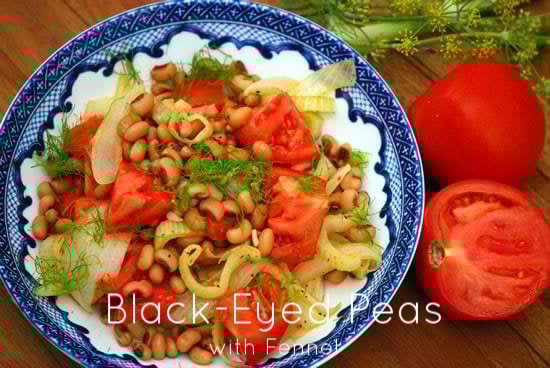
This recipe is commonly found in Greek family dinners. If you’re unable to find black-eyed peas you may substitute with small white beans, lentils, or rice.
Black-Eyed Peas
Ingredients
- 1 pound dried black-eyed peas or canned beans
- ¼ cup extra virgin olive oil
- ¾ pound finely chopped fennel
- 1 medium onion, finely chopped
- 1 pound tomatoes, coarsely chopped
- salt and pepper to taste
Instructions
-
Place the black-eyed peas in a saucepan, cover with water and bring to a boil. Skip this stem for canned beans.
-
Reduce the heat to a low simmer and cook for 15 minutes. Drain.
-
Heat olive oil in a large saucepan and sauté the fennel and onion until softened.
-
Stir in the tomatoes and simmer for 10 minutes. Serve warm.
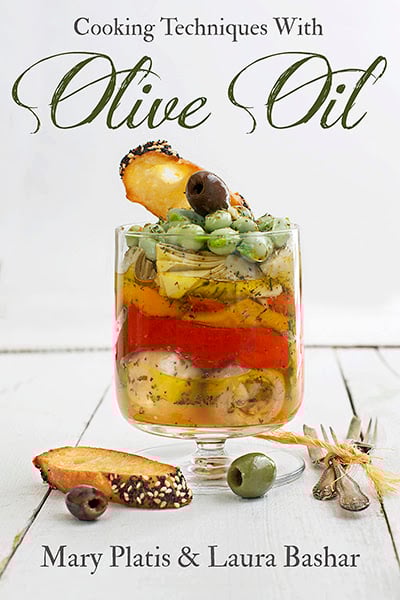
You can learn more about the Greek Diet in my cookbook, Cooking Techniques with Olive Oil.
You may also enjoy other beans recipes from my blog:
Three-Bean Salad with Fresh Green Beans
Eat Greek,
 Follow

{ 4 comments… read them below or add one }
Yiasas Mary,
I came across your site while researching Farmers Markets for ideas, as I am known as the “Greek Guy” here in North Florida at various farmers markets. I am attempting to create a “Fournos” type of product line and have been very successful with Kolokithopita, Melitzanopita, Prasopita and of course Spanikopita. I am in the Jacksonville/St Augustine area where I am promoting, as you, the healthy life style of the Greeks. I am the past owner of 2 restaurants from the Philadelphia area and also past Parish Council President of Holy Trinity Greek Orthodox Church in St. Augustine. I am impressed with your recipes and please keep up the good work, as we have much to do to preserve our heritage. If you get a chance I wouldn’t mind touching base so I could gain some useful knowledge as “East meets West”or the California Greek Girl meets the Florida Greek Guy. Thanks Bill Lulias 904-229-7797
My cousin Genie, forwarded your website to me, and I feel like I am reading my life story. I am a second generation Greek raised in the Bay Area of Northern Calufornia. The one question I am always asked from my non-Greek friends is, “What did you season the food with ? ” Of course the answer is always the same, lemon, olive oil, oregano, salt and pepper.. Nothing is more rewarding than to have my family and friends sit down to dinner together… Oh, and by the way, the kids eat what is on the table because it tastes good, no special menus, just good fresh food.
I get that question when I teach my classes. I guess we have that golden touch as Greeks, when cooking!
Happy New Year,
Mary
I just came across your beautiful message. Thank you for the wonderful comments. And yes, we need to preserve our recipes for the next generation. I’d love to touch basis with you, no matter where you live we are all American Greeks!
Happy New Year,
Mary