Post image for How Camp Blogaway Helped Culinary Students Gain Confidence

Have you ever wonder if it’s worth your time and effort to attend a new conference whether it’s in your town or in another city?

I have often asked myself that question repeatedly, especially right before pushing that “pay” button on my computer. Why is it so difficult to decide such an easy task?

I continue to contemplate the following questions over and over again in my head trying to make my decision.

Do I have the time and energy to attend?
How can I be productive?
Will I get anything out of going?
Will I have fun?
Do I know anyone there?

Well, I have attended several conferences this year and yes to my surprise I have thoroughly enjoyed every moment. I always try to take something away from the day or weekend, whether it’s finding a new brand, or feeling the energy from the innovative speakers, or just being brave enough to meet new people. And over time, I have embraced and loved the many wonderful relationships I have developed during these past few years.

The reason I’m writing this post for you today is for you to imagine what can happen unexpectedly in the days to come.
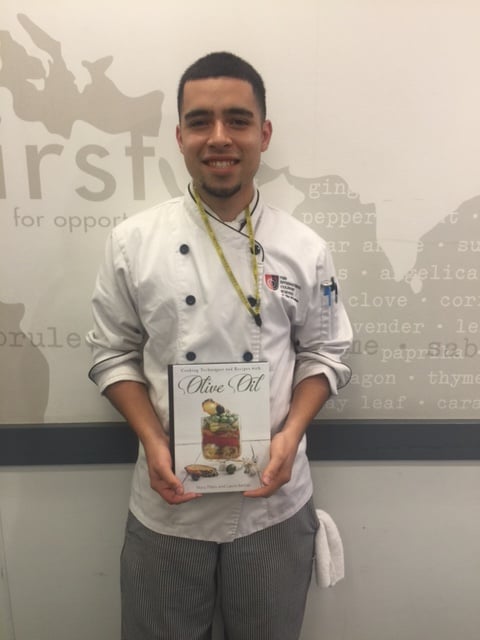
Christopher Davila Honorable Mention

For several years I attended Camp Blogaway, a food blogger’s conference, orchestrated by our hero Patti Londre from (Worth the Whisk).  I attended the weekend classes, not having any expectations on how the it would unfold. I wanted to enjoy a weekend with fellow bloggers, food representatives, and friends in a beautiful mountain-getaway without any noise. Just chatter and laughter was on my list for the weekend.

At last year’s conference I happen to sit at a table of new faces and met an incredible dedicated culinary chef Liz Thompson. We both had an idea at camp, and acted on it in the following months. Afterwards, we spoke many times on the phone coordinating our event. We both agreed it should start with the students at Liz’s culinary school.  The school was in San Bernandino, about 1 1/2 hours away.  I agreed to come out and do a presentation and olive oil tasting with Liz’s baking group. If there’s one thing I totally loose myself in, it’s teaching. I drove and drove that morning from San Diego and got there just on time. This took several hours of planning with Liz but it was all worth my time.

I was introduced to the young culinary students and began my presentation. Trying to keep it short and meaningful to these students, was my initial goal. They so surprised me! They continued to ask questions and thoroughly got into the subject. The best part of the day was when the students agreed to experiment with substituting olive oil for butter in their recipes. And they agreed to let me know how their process and recipes evolved.
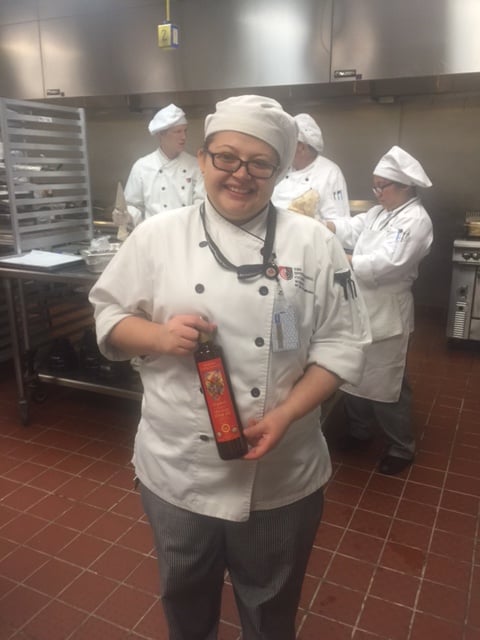
Diana Cavazos Honorable Mention

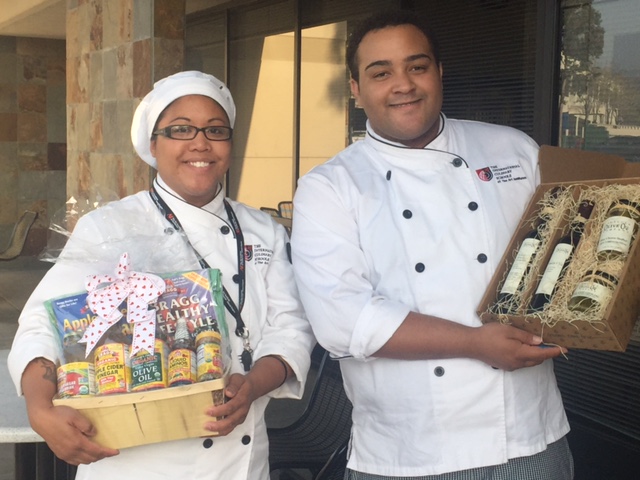
Liz, the Chef and instructor then realized we should run a cooking contest using olive oil. I was fortunate to reach out and receive bottles from several olive oil companies; Bragg Olive Oil,  George Menzelos  from Arianna Trading, and Temecula Olive Oil. They were all generous supporters to provide the class enough oil to experiment with in their classrooms. Several months later the contest came to an end and as you can see the student winners were thrilled.

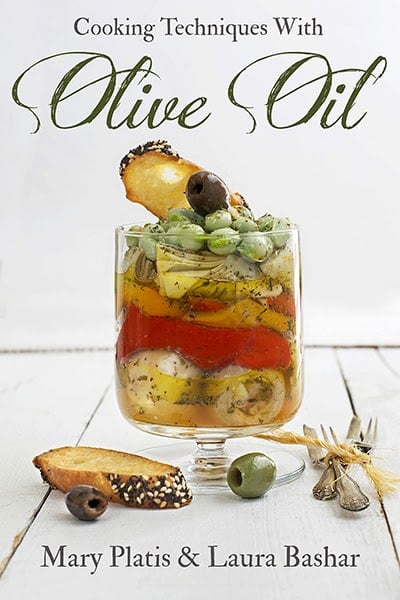
If you’d like more information on cooking with olive oil, you may want to purchase my cookbook below.
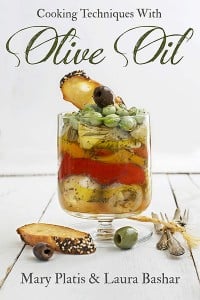
BUY COOKBOOK HERE

Mary Platis’ Cookbook

Such a small idea and gesture at a dinner table in the mountains with several food bloggers, became a winning idea.
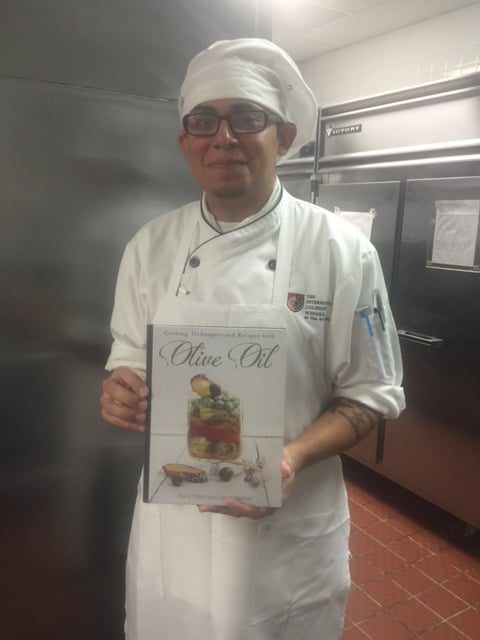
jesus torres gonzales Third Place

If this gives you any inspiration to join and attend a nearby event – please GO!

Here are a few tips for you:

  • Start small, and attend a meet-up or talk in your coomunity.
  • Go with a stack of cards, intending to meet as many poeple as you can. But, be sincere.
  • Sit with new people and introduce yourself, try and move out of your comfort zone.
  • Attend smaller break out sessions where you can get more personal.
  • Be positive, because it does spread around the room.
  • Listen , listen, listen.
  • Be prepared and go with homemade cookies, snacks or drinks for a weekend conference and share.
  • Most importantly  – make new friends and follow up with an email.
  • And lastly, sit back and enjoy, and it will happen.

Just like it did this one time for Liz and me.

A BIG thank-you to our sponsors Bragg Live Foods, Arianna Trading, and Temecula Olive Oil.

Here is our group picture of all the Camp Blogaway attendees from this year!
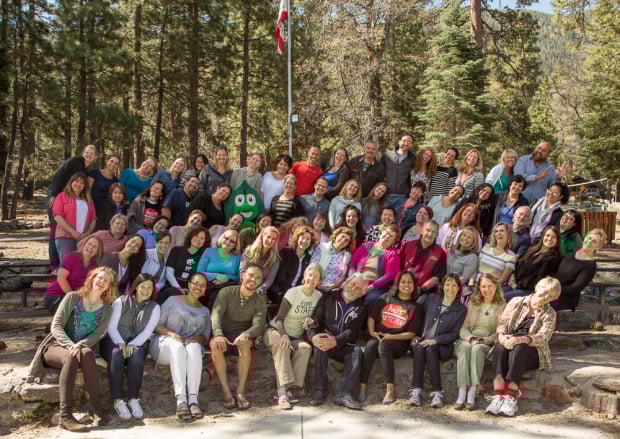
Camp-Blogaway-2015-3549

And a special thank you to Patti for making this experience a possibility!

{ 0 comments }
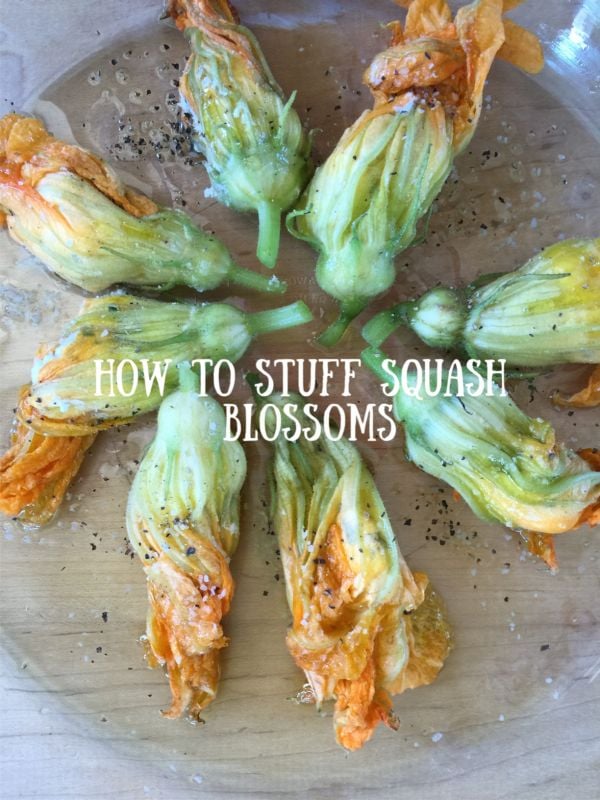
How to Stuff Squash Blossoms

by Mary Papoulias-Platis

Post image for How to Stuff Squash Blossoms

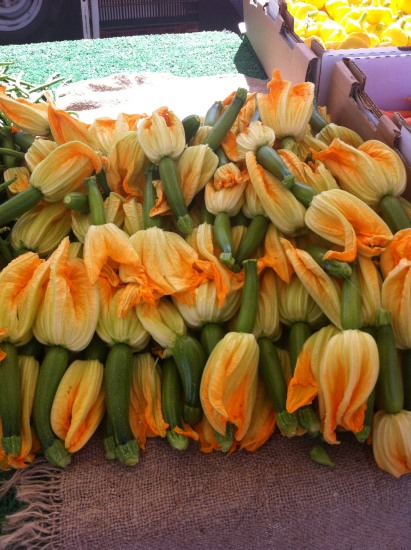
Stuffing squash blossoms is quite new to the American Diet. In European countries this is a gardener’s delight. Every morning, we would go out and pick the blossoms for lunch that day. My aunts would stuff these dainty flowers with rice or a cheese mixture. Baking is preferred, but many choose to fry them in a very light batter.

Where to buy squash blossoms:

  • Natural Food Stores
  • European Markets
  • Produce stands
  • Local Farmer’s Markets

farmer's market squash blossoms

Clean the blossoms carefully to remove all the dirt and bugs. Set aside.
Mix your filling and set aside.

How-To Stuff a squash blossom

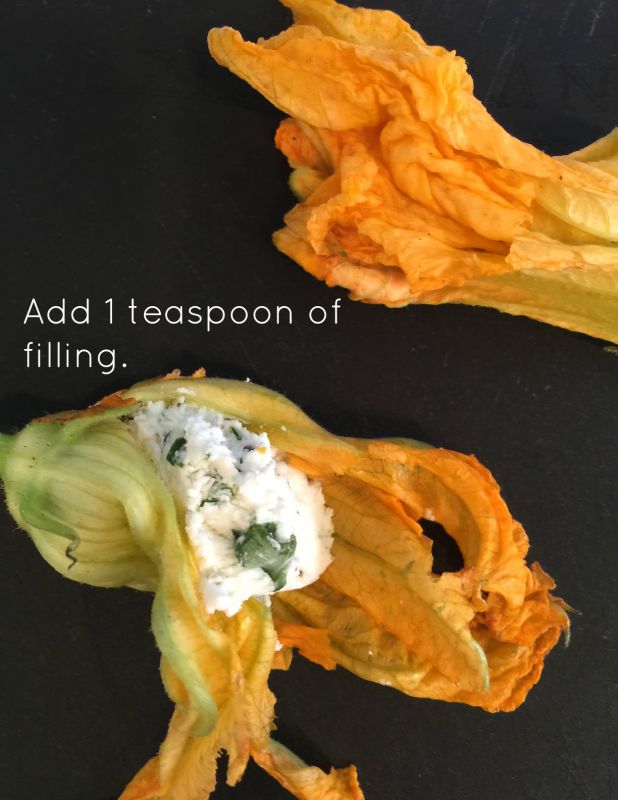
Carefully open each blossom and stuff with your favorite filling. (Rice, Quinoa, or Cheese).

Stuffing a squash blossom with cheese.

Lay in a baking dish and bake. Drizzle with olive oil and cover and bake for 10-12 minutes in a 400 degree oven.

Remove from the oven and serve as is with a light dressing or splash of olive oil. Or serve on top of a lovely salad.

Other uses for the blossoms: Add to soups, chop into tomato sauces, toss in salads, add to pastas.

Recipe with Cheese:
8-10 squash blossoms, gently cleaned
4 ozs. goat cheese, small package
1 teaspoon finely chopped chives
3 fresh basil leaves, finely chopped
salt and pepper
olive oil

Preheat the oven to 400 degrees.
In a small bowl combine the cheese and herbs.
Place blossoms on a pie plate and drizzle with olive oil. Sprinkle with salt and pepper.
Cover and place the dish in the center of the oven.
Bake for 10-12 minutes. Serve immediately.

It’s a summer delight!

Mary 


{ 6 comments }

Post image for Poached Mushrooms In Olive Oil with a Tart Recipe

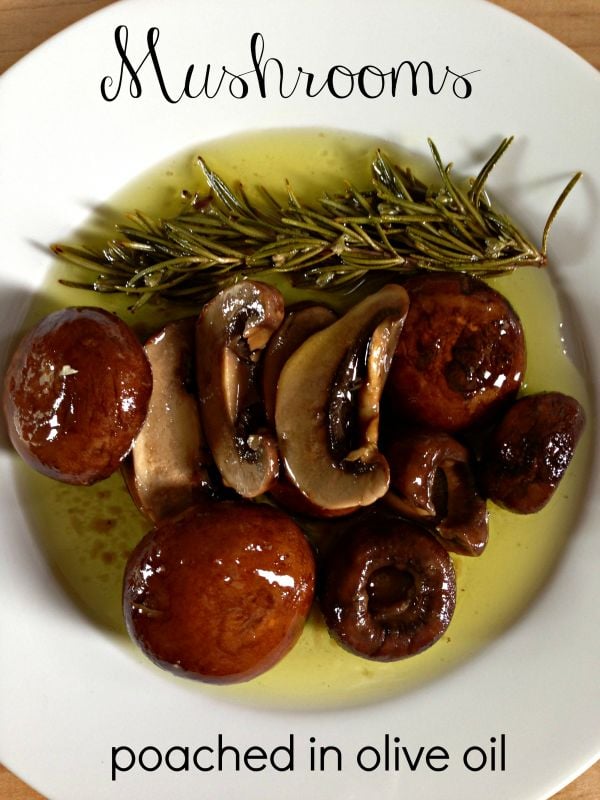
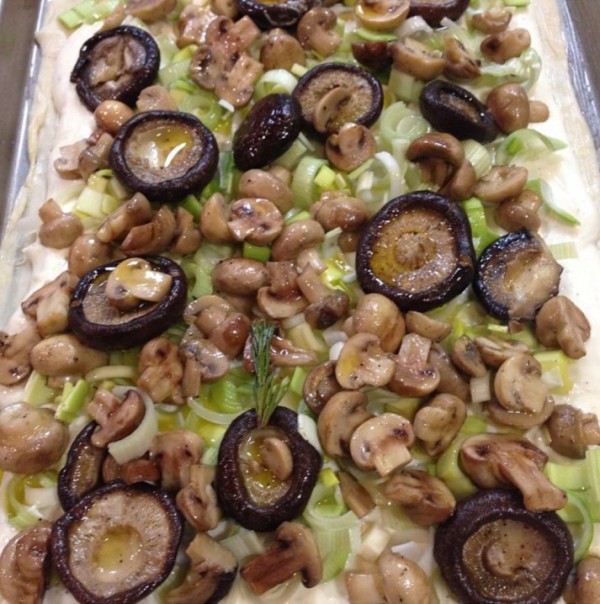
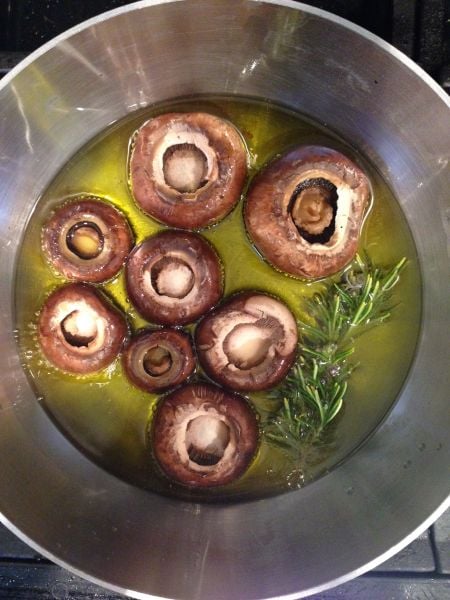
This Poached Mushrooms in Olive Oil recipe was discovered when I had a box of mushrooms, that I had to use up immediately in my refrigerator. I was teaching a class soon on poaching with olive oil and was hoping I can come up with a mushroom topping that was unique. This took no time at all, and the mushrooms were fragrant with the addition of the rosemary. Poaching is a chapter in our cookbook, so I’m always curious what else I can poach? Yup, I poached the mushrooms and they were delicious. If you don’t like rosemary, try any other herb you may have, such as thyme.

Here are a few ways to incorporate these mushrooms in your dishes:

  • Make a mushroom tart using sauteed onions or leeks and a goat cheese base.
  • Add to your pasta salads, pizzas, and grilled cheese sandwiches.
  • Serve as an appetizer with toasted bread.
  • Make a crostini with goat cheese and chopped mushrooms on top. Drizzle with oil.

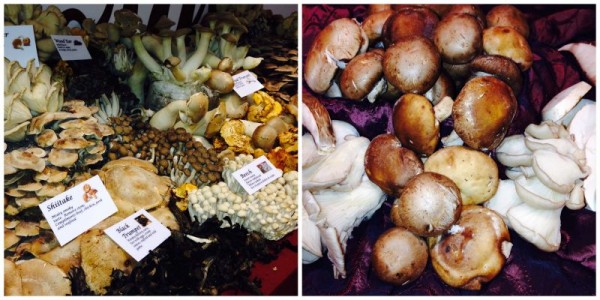
Mushroom Variety

I chose baby portobello mushrooms and buttons. But you can choose any mushroom that can stand up to being poached.

Mushroom Tart

Poached Mushrooms in Olive Oil with a Tart Recipe

I made these mushrooms for a topping in a cooking class I taught. They are so fragrant poached in a good quality extra virgin olive oil. I've included the tart recipe with the poached mushrooms as a topping. Or just serve the mushrooms alone as an appetizer.
Course Appetizer, mushrooms, olive oil, Side Dish
Cuisine American-Greek, Greek
Keyword mushrooms, phyllo
Servings 6 -8
Author Mary Papoulias-Platis

Ingredients

Poaching

  • 2 lbs. button and mixed mushrooms, washed and stems removed
  • 1/2 cup or more extra virgin olive oil
  • 1 sprig of rosemary
  • 2 leeks, washed and thinly sliced in rounds

Filling

  • 16 oz. goat cheese, room temperature
  • 1/4 cup milk
  • 2 eggs
  • 1/4 teaspoon pepper
  • 1/4 cup parsley, chopped
  • 1 tablespoon fresh thyme, chopped

Tart with Phyllo

  • 1/2 lb. phyllo dough, defrosted (1/2 box)
  • 1/4 butter, melted

Tart with Puff Pastry

  • 1 package of puff pastry, defrosted

Instructions

Poaching Mushrooms

  1. In a large straight-sided skillet place pan over medium- high heat, bring the olive oil to a slight simmer and reduce to medium. Do not boil.
  2. Add the mushrooms and thyme, cook until exterior of the mushroom softens, about 4 minutes.
  3. Remove and place on a paper towel lined plate to drain. Set the oil aside.
  4. As an appetizer, place the mushrooms in a bowl and drizzle the poached oil on the mushrooms and serve.

Tart

For phyllo

  1. Butter a 1/2 sheet pan (9x13) with butter. Add one phyllo sheet and brush with butter. Continue with all the sheets, buttering after each layer.

For puff pastry

  1. Open 1 sheet carefully, and place in the sheet pan. If needed gently spread the dough to the edges.
  2. In a small bowl combine the cheese, milk, and eggs and pepper. Spread over phyllo .
  3. Add the mushrooms and leeks.
  4. Bake at 350 degrees until phyllo/ puff pastry is slightly brown around 15-20 minutes.
  5. Top with the parsley and thyme. Sprinkle with extra virgin olive oil.
  6. Cut into bite-size pieces and serve warm.

poaching mushrooms

Poaching is a creative cooking technique to bring out the flavor of the ingredients your cooking as well as the flavors of the olive oil. Use a high quality extra virgin olive oil when poaching. Or try a infused oil for a unique added bonus to your flavors.

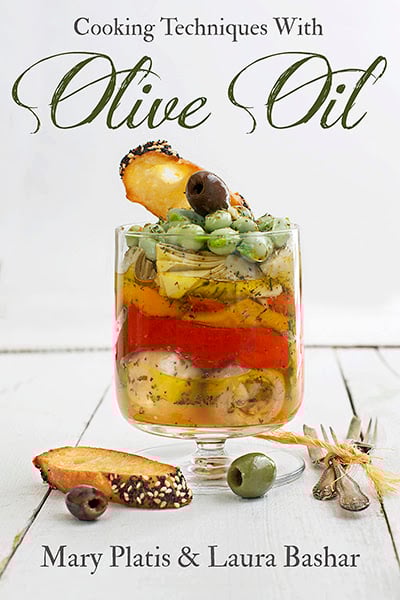
You may enjoy my cookbook for further recipes on olive oil.

ORDER COOKBOOK HERE

My Cookbook, Cooking Techniques with Olive Oil


{ 6 comments }

Celery and Peas Greek Style

by Mary Papoulias-Platis

Post image for Celery and Peas Greek Style

Celery is a vegetable that is under-rated here in the U.S. In the states it is mostly used for a base with onions in a saute at the beginning of a recipe.

I grew up with celery because my  mother loved it in all her dishes. The smell alone of cooked celery reminds me of warm soups and stews she would be cooking on the weekends.  Celery does grow wild in some parts of Greece, and I assume it did in my mother’s farming community. Celery is very common in the Greek cuisine.  It is used in braises with lamb and pork. Often times as a side dish with fresh herbs from the garden.

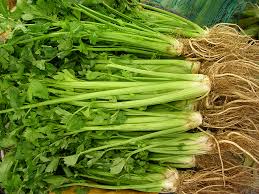
celery

Why eat celery?

  1. Low in saturated fats.
  2. Very low in cholesterol.
  3. Good source of Vitamins A, B6, C, and K.
  4. Adds fiber to your diet.
  5. Includes Riboflavin, Magnesium, Potassium, and Manganese.

Not bad for a little stalk of celery!

You can also use celery with many different techniques: saute with onions and carrots as a a base for soups, stews often called: the trinity and mirepoix.
Add to your cheese boards or dip presentations. And don’t forget to use it as a fresh addition to your spirits and cocktails!

Today, I chose to remember this quick and healthy dish my mother taught me for a late-night dinner. She called it “Selino”, Greek for celery.  All you need with this is a large loaf of homemade bread. This makes a perfect meatless dish.

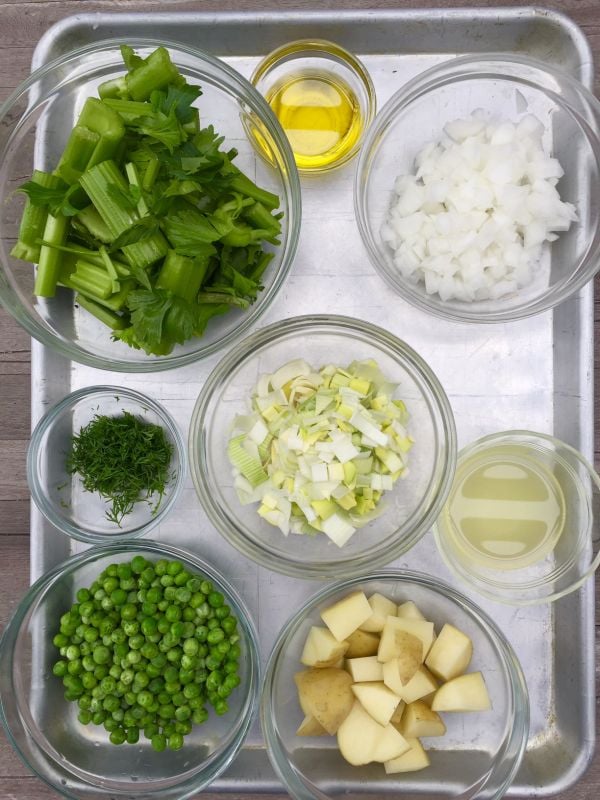
Start with collecting all your ingredients –  “Mise en Place”

Celery and Peas

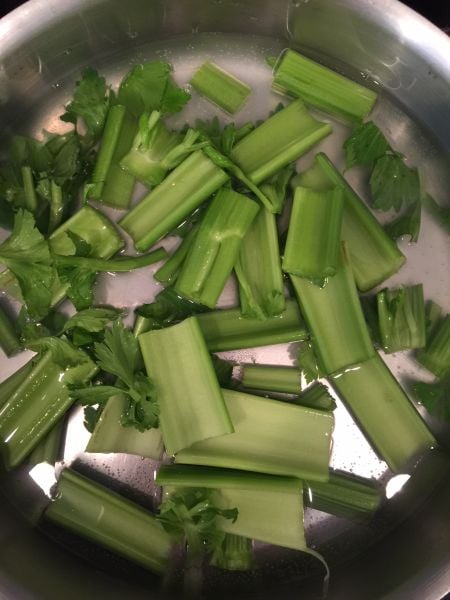
Bring a pot to boil and blanch the celery by simmering for 10 minutes, drain and allow to cool. Or place in a ice bath.

Blanching Celery

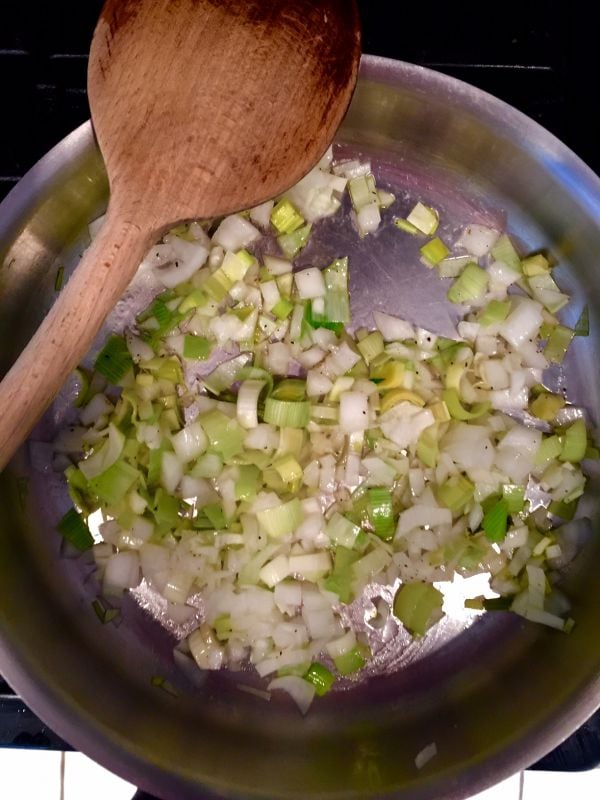
Saute onions until softened.

Saute celery

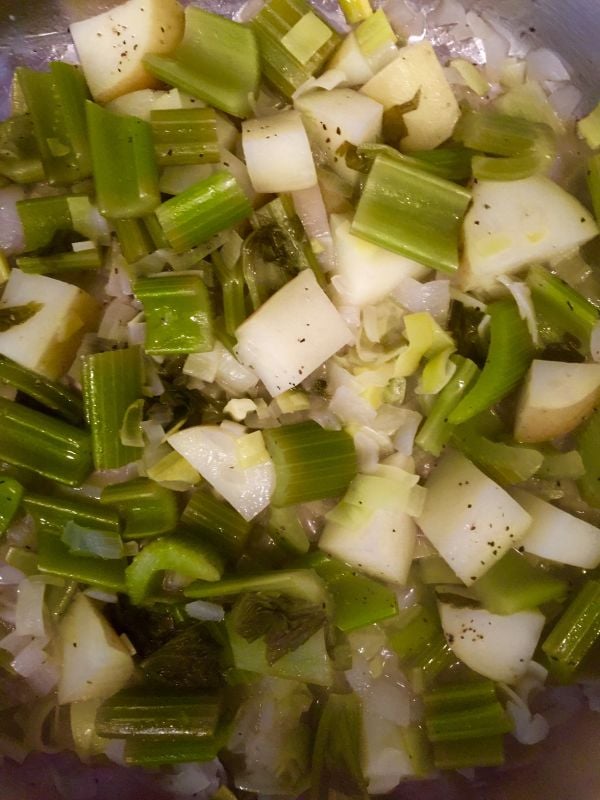
Add celery and potatoes.

Celery Simmer

Add the peas, dill and salt and pepper.  Continue cooking on a simmer until vegetables are tender. (my father-in -law dropped by and I forgot to take this last step – but he enjoyed lunch!)

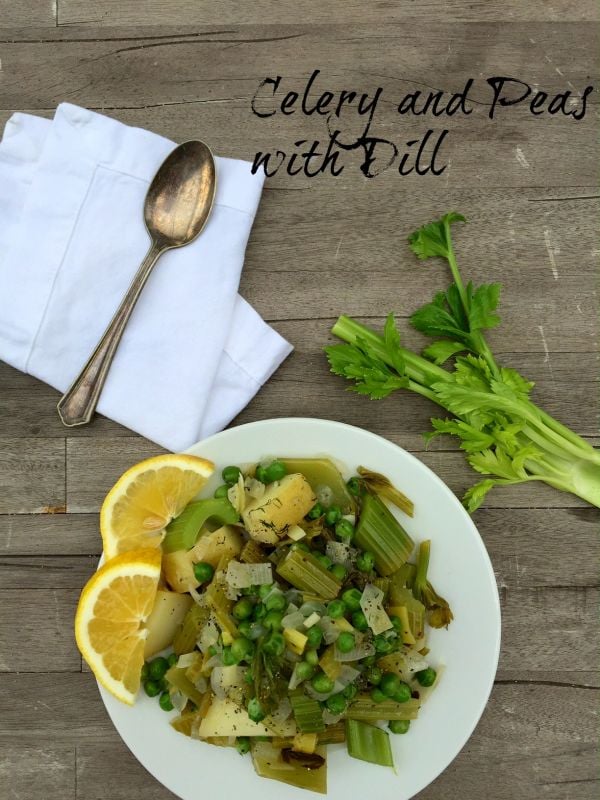
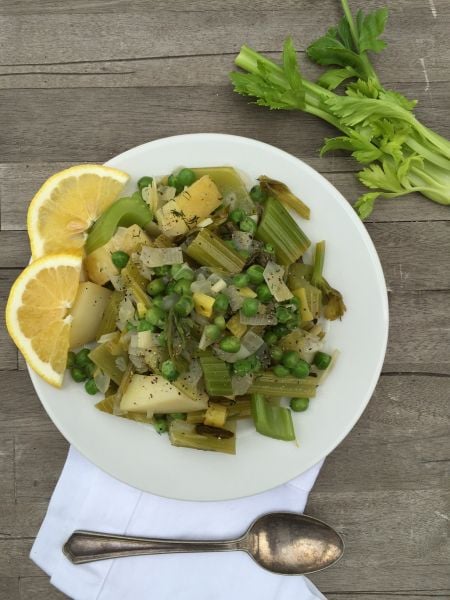
Greek Celery and Peas - "Selino"

A simple side dish that will go well with an entry such as lamb, chicken or pork. This is a dish I use on Meatless Monday or during lenten and holidays.
Course Main Dish or Side
Cuisine Greek
Keyword Greek, Lent, peas, celery
Servings 6
Author Mary Papoulias-Platis

Ingredients

  • 2 lb. of celery, cut in diagonal in 1/2" pieces, blanched
  • 2 lemons, divided and juiced
  • 2-3 tablespoon extra virgin olive oil
  • 1 large onions, finely chopped
  • 1 leek, finely chopped
  • 1 large potato, cut in 1" pieces
  • 1 1/2 cups fresh or frozen peas
  • 1 tablespoon fresh dill, chopped
  • salt and pepper to taste

Instructions

  1. Blanch the celery in water and the juice of one lemon for 10 minutes and drain. Set aside in a bowl.
  2. In a large saute pan, add the olive oil and both onions, cook until softened.
  3. Add the potato, and celery. Add a 1/4 -1/2 cup water, cover and simmer for 15 minutes. Watch carefully, more water may be needed.
  4. Add the peas and dill and cook for additional 10-12 minutes, until vegetable are almost soft.
  5. Sprinkle the juice of one lemon on top and season with salt and pepper.
  6. Simmer until warm and serve.

Recipe Notes

Recipe can be halved for a smaller portion.

Peas and Celery

{ 4 comments }

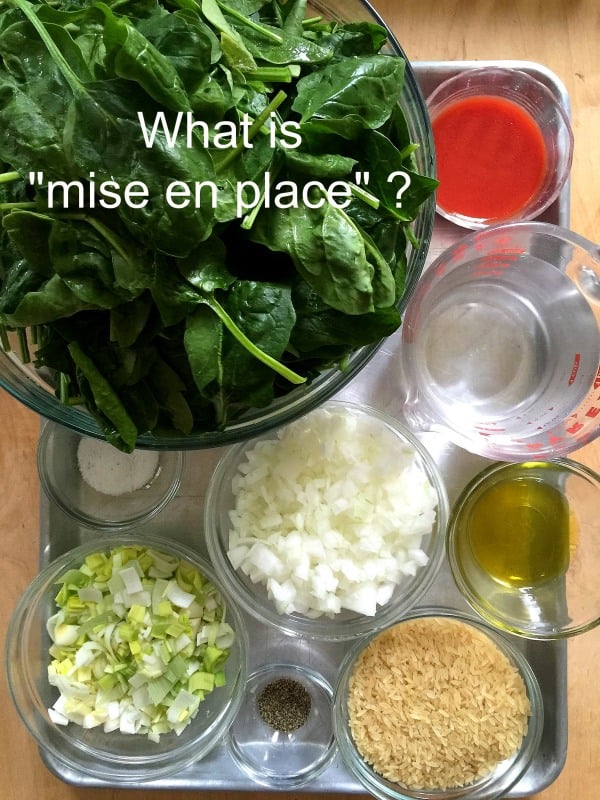
Post image for What is “mise en place”? Tuesday Technique

A couple of years ago, I completed my Plant-Based culinary course so I may begin teaching healthier options to my students in my cooking classes. Over the last few years, I’ve been involved with the MS program at our local university and began working with the staff in reducing inflammation with those suffering. A cleaner diet with no processed foods and sugar is highly recommended to reduce the pain from their muscles. A plant-based diet can help improve their conditions along with many other lifestyle changes.

Mise En Place is one of the first things I learned about many years ago. It helps in organizing your ingredients before beginning to cook. This is a good practice to get in the habit of doing in the kitchen for easier execution of your recipe. So, Let’s get started!

Vegetable Stock Recipe

What is “mise en place”

So let’s get back to what is “mise en place”. (MEEZ ahn plahs!) This is a French term used in culinary for “everything in it’s place”. Before you begin cooking a well-planned “mise en place” will give you an easier execution of your cooking experience. You will be better organized with your ingredients and equipment prepped and gathered ahead of time so you can enjoy and relax during your cooking time. This is a must when teaching classes, catering, professional cooking in a restaurant, and at home.

Who needs to do this?

All cooks, everyone who loves to cook should start this practice. After a few times of seeing how simple this is for your cooking experience  it will soon become a habit.

Why bother?

If you cook often as I do, distractions happen, whether you’re at home or in the workplace. Also most importantly , this tip will save you time, so you don’t leave out any ingredient in your recipe. The worst experience as you know is to have to toast nuts, chop an onion, or zest a lemon in the middle of a recipe.


Stuffed Artichoke Recipe

What do you do?

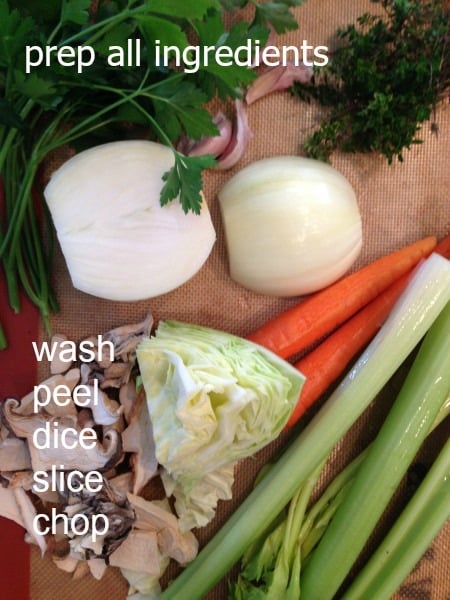
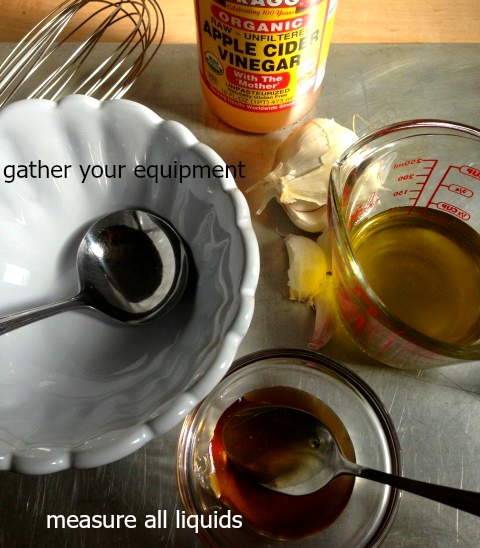
You will wash, cut, slice, gather and prep all the ingredients in your recipe before you begin cooking. Don’t forget to bring out all the equipment you will need such as pots, pans, cooking utensils, and knives.

When do you do this?

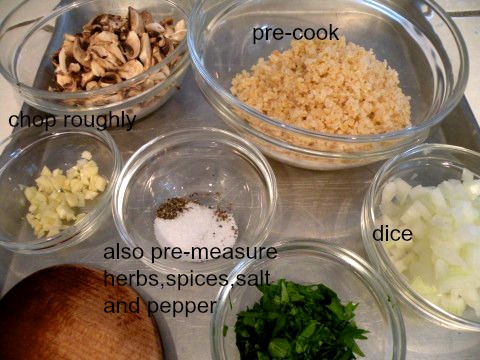
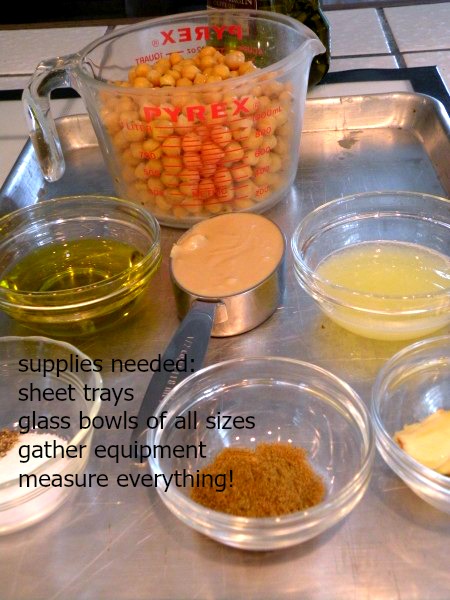
Before you begin cooking your dish, measure out individual ingredients and place them in ramekins, small and large glass bowls and place on one to two sheet trays.

Hony-Cider Vinegar Recipe

It’s that simple.

Here’s what you will need to get started.
1-2 (13×18) sheet trays or cookie sheets. Or just use your counter top.
2 sets of glass bowls of all sizes – I like the nestled glass sets you get at Sur La Table, Crate and Barrel, or Williams Sonoma.

Make sure you measure out your spices, salt and pepper, zest, butter, olive oil, flour, baking powder and soda, all liquids, etc…

Chickpea Recipe

Now, you are ready to go! Once, you get in the habit of doing this, it will allow you become interrupted without leaving out an ingredient in your recipe. Trust me it happens.

A perfect example of what happened to me as an early cook~

One Christmas, I had two girls under the age of 3, and I was having everyone over for the holidays. That meant two cheesecakes must be baked for my large family. Well, this is not an inexpensive dessert to make. While I was cooking, the girls were hungry, so I fed them. They must have asked 1,000 questions, and I cut into the cake that evening and I had left out the sugar! Yuck! I was so embarrassed and had to throw out both cakes. No dessert that night, other than ice cream.

Enjoy cooking!

Mary

Visit my blog for more “Cooking Techniques”.

{ 0 comments }
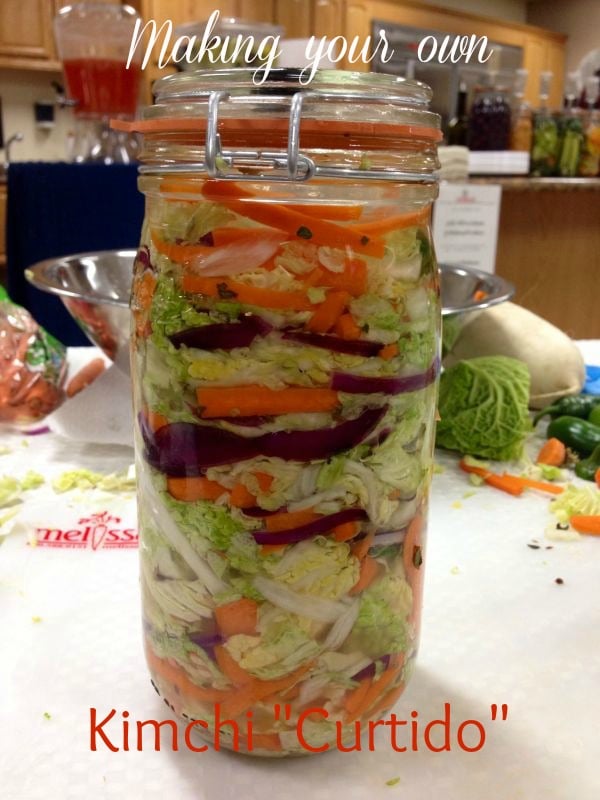
Post image for Making Kimchi “Curtido” with Chef Ernest Miller

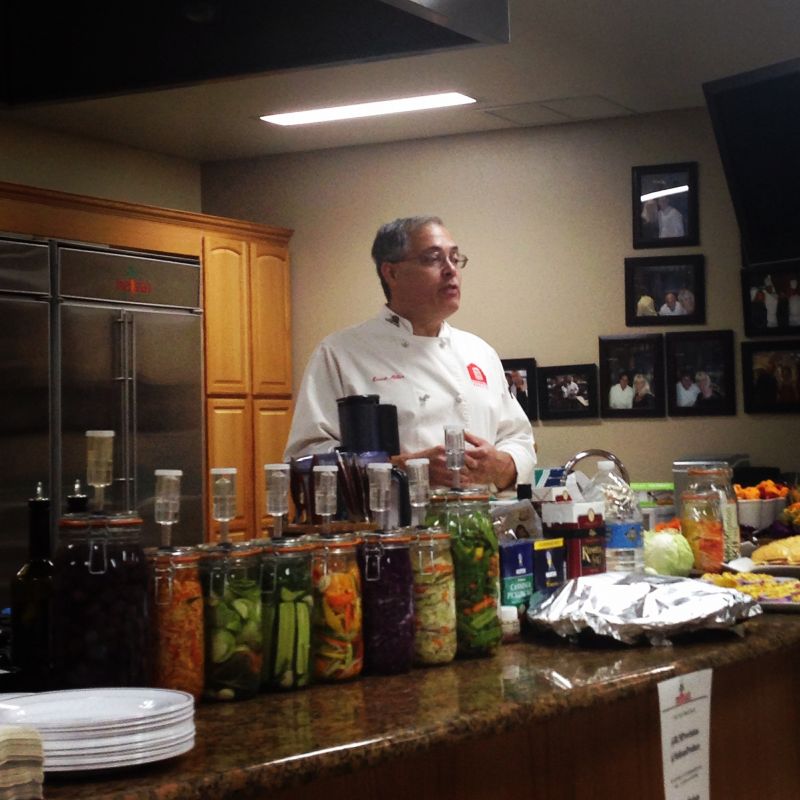
I had no idea what fermentation process was until I attended Chef Ernest Miller’s hands-on class at Melissa’s Produce this last week.  The class was on making Kimchi, and I chose the variation “Curtido”. Walking into Melissa’s kitchen that morning took me by surprise, to see how visually appealing Chef Miller’s display of fermented vegetables were on display. It instantly reminded my of my aunt’s home kitchen, and how she also used these large preserving-type vessels stuffed with her colorful vegetables from her family garden.

I was so excited to get started on this process of fermentation.

Preserving Class at Melissa's

I first met Chef Miller at the Orange County Fair last year when we went up for an olive oil presentation and book signing. He had his own booth. It looked more like a chemistry lab where he taught every hour on the hour about preserving and brewing! He was fascinating from the beginning, watching his ease of teaching all about beer brewing and fermentation to all the fair goers.

Chef Miller

Soon after, I met up with him again in San Diego at the Culinary Historians of San Diego meeting where he presented the history of food preserving. It was very interesting and above all educating. I left asking myself, What don’t you do Ernest? As we sat down to our cooking centers with all the ingredients set out for us, Chef Ernest began with a demonstration on how to begin. I couldn’t believe how easy it was! All these years in the food business and I had never taken an interest in this? Why? Because I never came across a teacher who taught this subject.

It’s literally a one-bowl recipe.

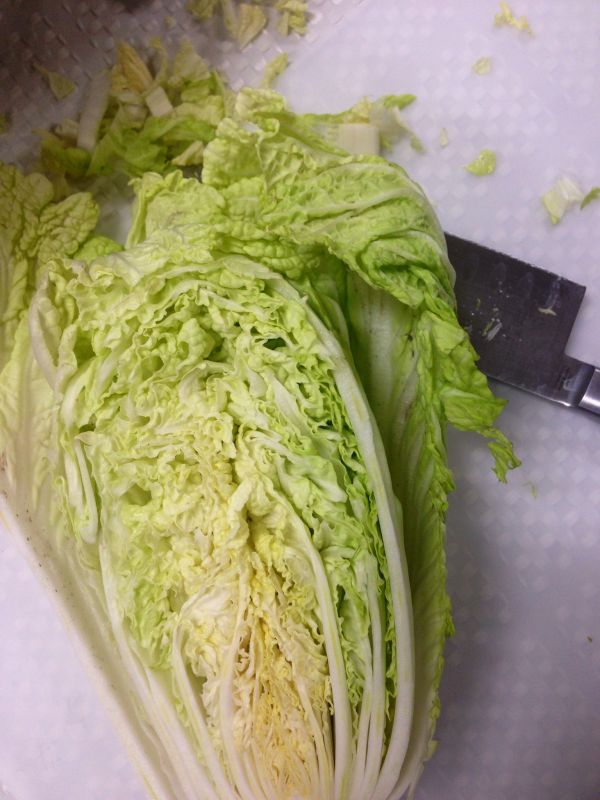
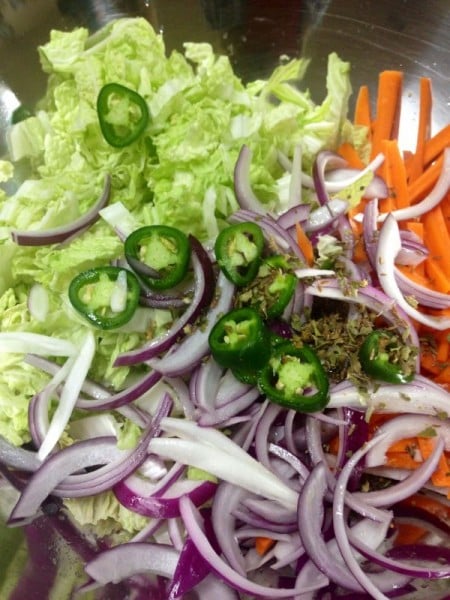
Napa cabbage

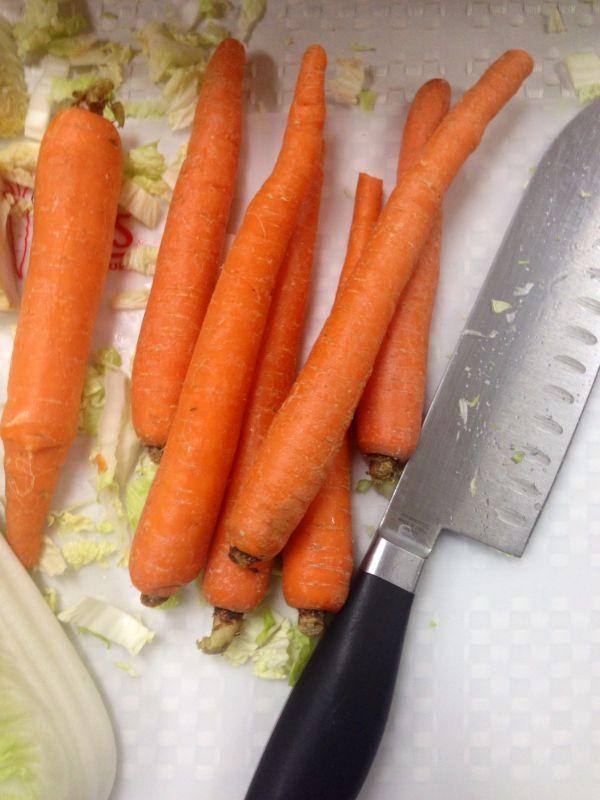
carrots

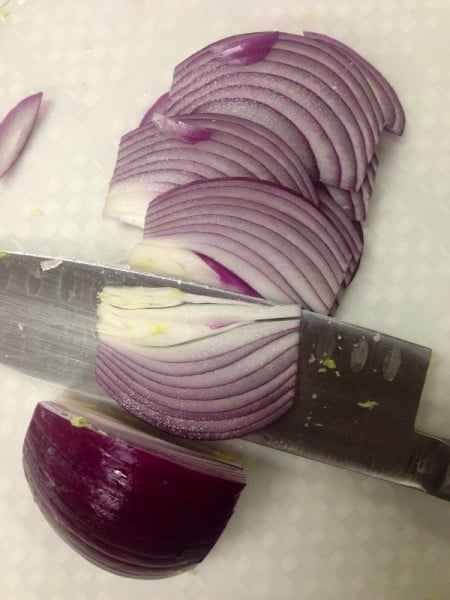
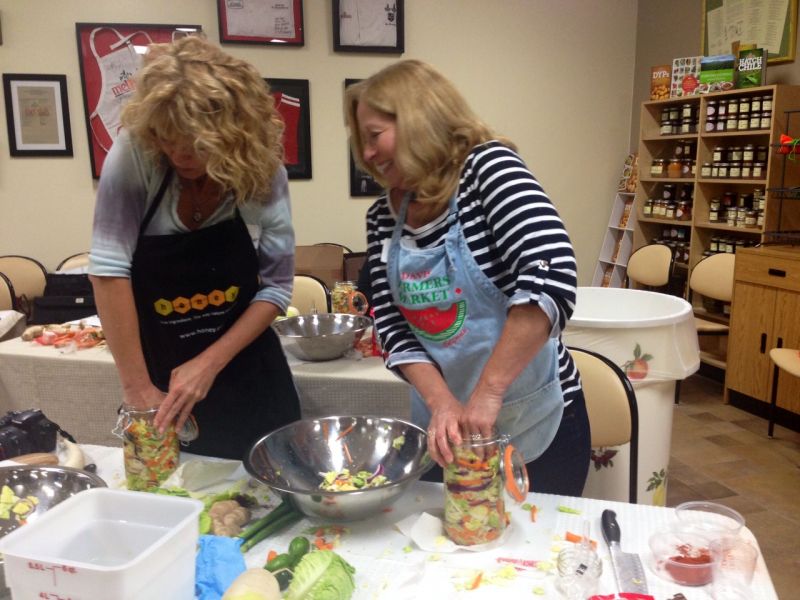
We chopped and chopped, weighed our ingredients to perfection, salted and pressed 2 lbs. of these veggies into a small specially designed bottle from Chef Miller’s collection. Check out his site to purchase one or two. Sitting next to Cathy Arkle from She-Paused for Thought , was a day of laughter and crying – over the onions of course!

Cathy and I

We were treated to a creative fermented vegetable luncheon by Robert Schueller and his staff, Chef Debbie Dubbs and  Sara De Leeuw, both master preservers. Fermented foods add a zing to your dish, besides having health benefits.

Here are a few facts I learned:

  • It’s low in calories, high in fiber and nutrients.
  • Your adding vitamin A, B1, B2 and vitamin C into your diet.
  • Rich in amino acids and minerals such as capsaicin, chrorophyll, carotenoids, and flavonoids.

Curtido which I made is traditionally a lightly fermented cabbage salad originating in El Salvador. Today, you can find it in many Central American nations.

It’s eaten as a side dish similar to sauerkraut, or a condiment for a wide variety of foods. The reason I chose it because I wanted to learn the dish “pupusas” the famous El Salvador national dish.

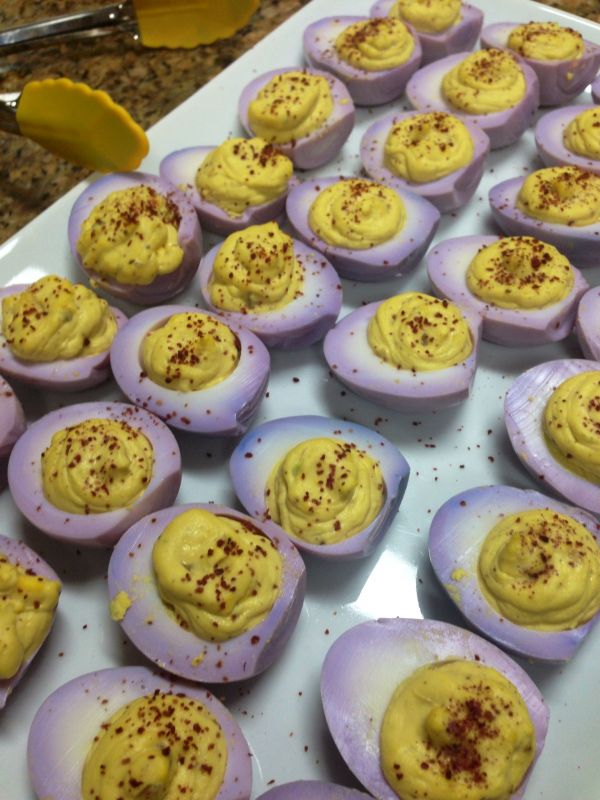
Egg in preserved beet juice

Eggs fermented in beets.

Layered Muffato sandwich with slaw

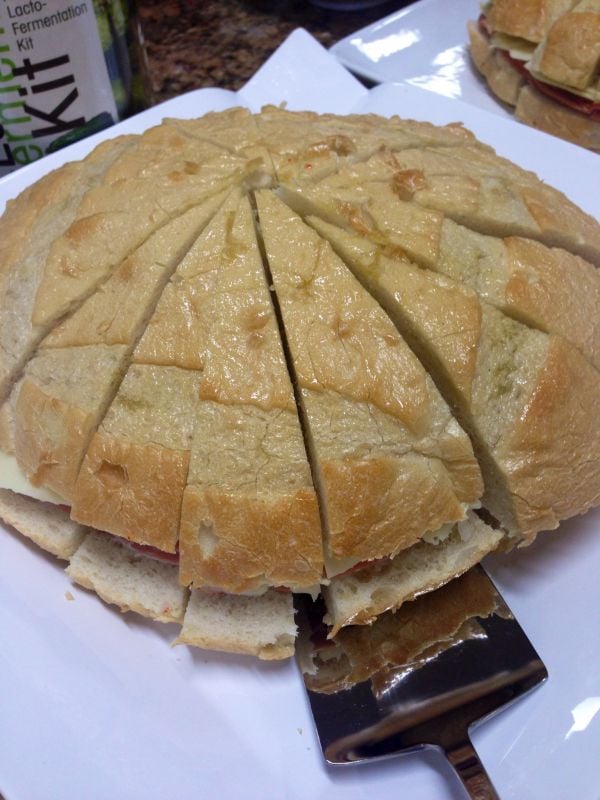
The popular sandwich “muffaletta” layered with meats and kimchi! Fabulous.

Curtido with Bread

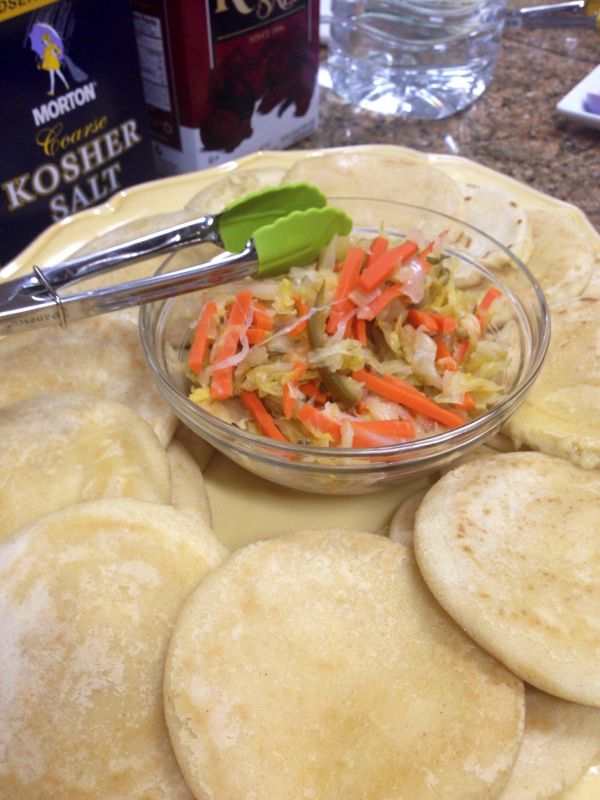
The curtido served with puffy breads called pupusas.

selection of fermented veggies

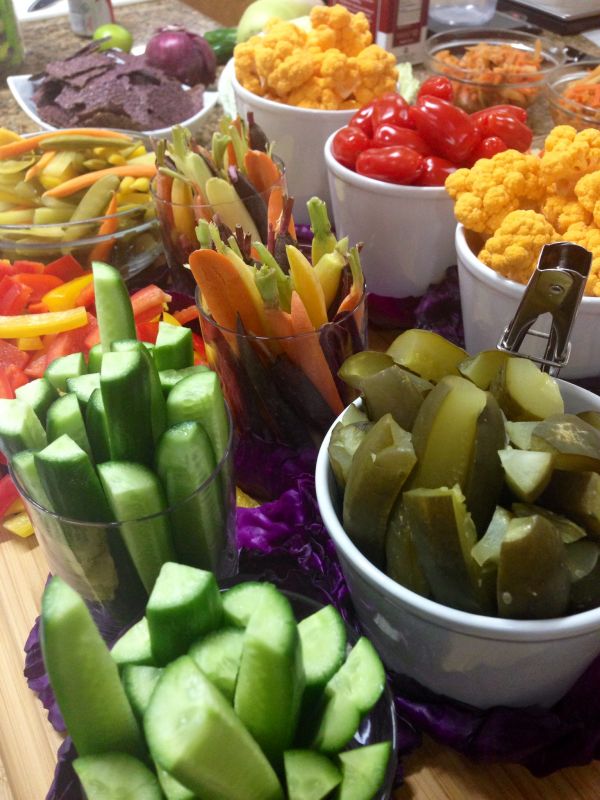
Examples of various vegetables you can use for fermentation.

With the class we were given each a bottle from Chef Miller’s collection, recipes and information on the process. I’m dying to dive into my stuffed fermented bottle, but we need to wait  for a week or two. In the meantime, my brain is all a flutter dreaming of all the ways I can use this awesome mixture!

Just try it.

Making "Curtido" from Master Preserver Chef Miller at Melissa's Produce

Curtido is a lightly fermented cabbage salad from El Salvador, try it on any sandwich, for a topping on any bread, or simply as a side.
Course Appetizer, Fermentation
Cuisine El Salvador
Keyword curtido, fermented, preserved
Servings 4 servings
Author Chef Ernest Miller

Ingredients

  • 1 3/4 lb. cabbage, shredded (white, purple, Savoy, or Napa)
  • 1/2 lb. carrot, grated or julienned or grated
  • 1/2 each of white and red onion
  • 1 jalapeno, minced
  • 3/4 oz. salt, canning, pickling kosher or sea salt (1 oz. of salt per 3 lbs. of vegetables
  • 1 1/2 teaspoon oregano, dried
  • 1/2 teaspoon cumin
  • Juice of one lime

Brine

  • 1 oz. of salt per quart of water

Instructions

  1. Discard outer leaves of cabbage. Rinse heads under cold water and drain.
  2. Cut heads in quarters and remove cores. Shred or slice in thickness of quarters.
  3. Put cabbage in a mixing bowl and toss with all the remaining ingredients, salt and spices.
  4. Pack firmly into your clean fermentation jars.
  5. Make sure your jar is filled to the "max" line but no higher.
  6. Place your clean, notched weighting jar on the cabbage and press down.
  7. If juice doesn't cover the cabbage then add brine.
  8. Seal your jar, gently twist the airlock into place and fill the airlock with brine or distilled vinegar to the fill line. (if using Chef Miller's jars)
  9. Store at 70 to 80 degrees while fermenting. Under these temperatures curtido should be ready in about 5 days. At temperatures 60-65 degrees it should take 7-9 days.
  10. You may allow your curtido to ferment longer, but it is traditionally a shorter ferment.
  11. (If the curtido becomes soft, or develops a disagreeable odor,discard. Fully fermented curtido may be kept tightly in the refrigerator for several months.

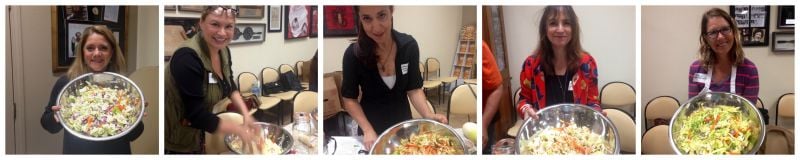
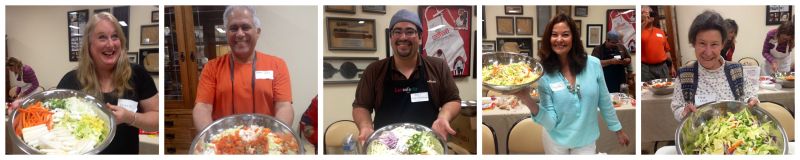
We were all so proud of our accomplishments in the kitchen! This was the very first time I had an opportunity to cook in the kitchen with many fellow food bloggers and friends. I couldn’t resist but post these happy faces!

Cooking Class Attendees


bloggersa

Thank you to Melissa’s and Robert Schuller for sponsoring such a successful and informational event and luncheon

And thank you to Chef  Ernest Miller for all your hard work making this class possible.

Let’s get fermenting, 

Mary

{ 4 comments }

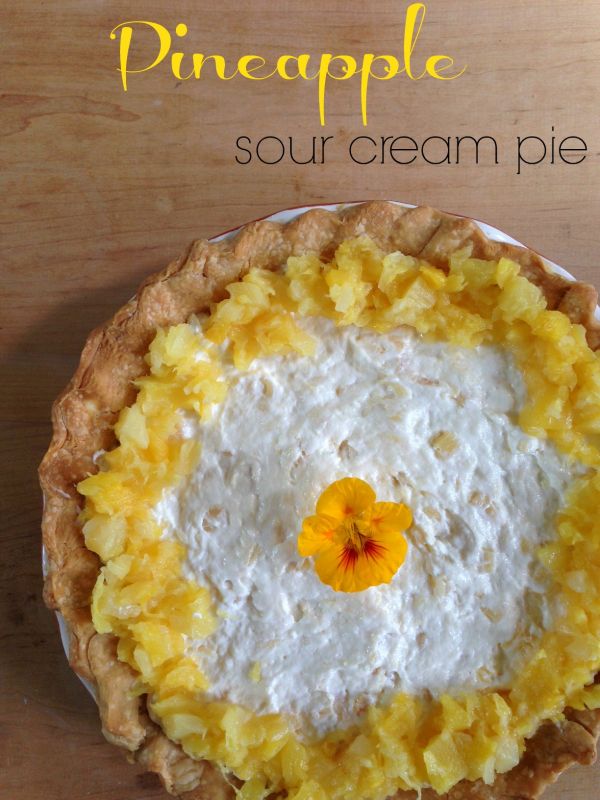
Pineapple Sour Cream Pie

by Mary Papoulias-Platis

Post image for Pineapple Sour Cream Pie

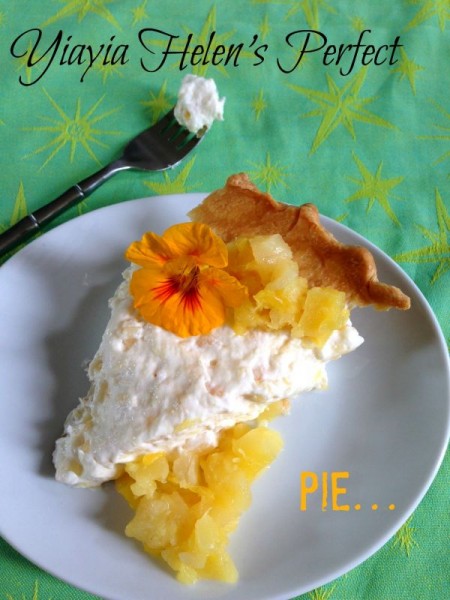
Every so often I dig deep in my  family recipe box and I find a dish or pastry, as this Pineapple Sour Cream pie, that reminds me of my mother and her sisters. Recently, we had many birthdays in March –  my mother and two aunts, and I like to remember them by cooking a comfort dish they had taught me for my family gatherings. Pies, were important to my mother-in-law, she had the best crust and recipes, which I now have! This pineapple sour cream pie makes a big splash in the summertime!

This is a quick pick-me-up pie, not so healthy, but everything in moderation right?…

Pies have always been served in my house, because they were so often forgotten, because of all the Greek pastries we serve. But, my love has always been in the pie. I happen to miss Pi Day, so I’m a little late in getting this recipe to you!

But you cannot pass up this Pineapple Sour Cream pie because you can assemble it in minutes. Make your own crust, or buy a ready-made shell.

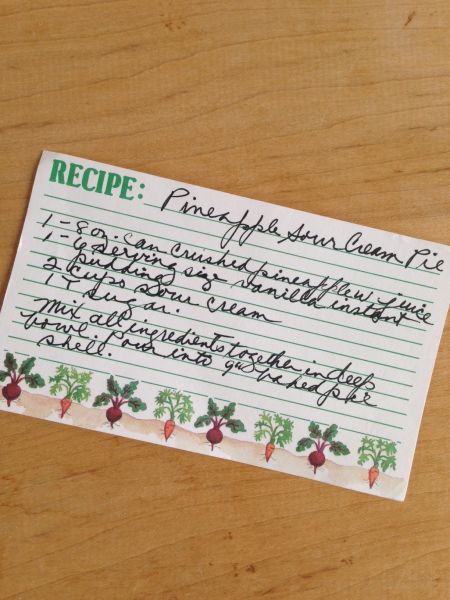
Original Pie recipe from my mother-in- law!

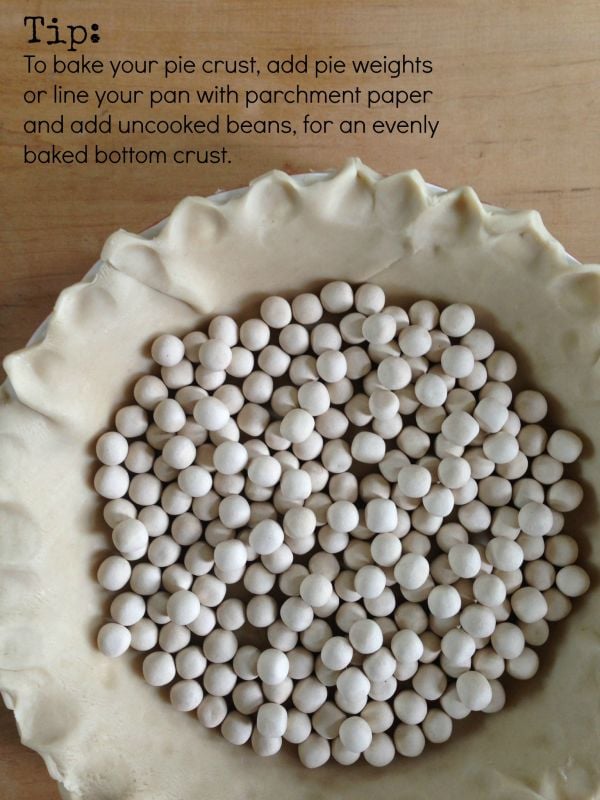
how to use pie weights

You may like to try many of my other pies that I adore!

Our Favorite Family Pumpkin Pie

Best Bosc Pear Pie

Razzleberry Pie

Thank you for visiting, and go make a pie today!

Mary 

{ 4 comments }

Post image for Join Me for a “Garden to Table” Greek Vegetarian Class at #GreatNews

This class is for all of you that enjoy gardening and find joy in harvesting your vegetables for dinner!

It’s not too late to begin your Spring garden and prepare for delicious meals for your family. I have gardening tips under my California Gardening section of my blog. Find inspiration from Winter to Spring.

In the Greek culture it’s all about fresh tomatoes, green beans, spinach,onions and feta cheese! And we can’t leave out the most popular cheese of all – feta cheese.

I have compiled my most wanted family recipes for this class- so please join us for an evening of food and love – OPA!


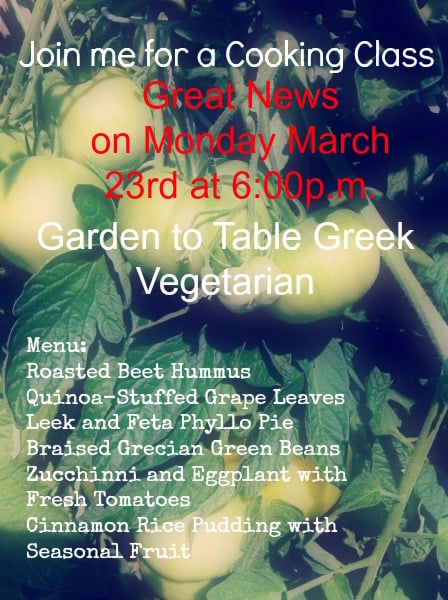
 Join me for a Greek Cooking Class

at

Great News Cooking School

on March 23rd at 6:00 p.m.

 “Garden to Table”  Greek Vegetarian


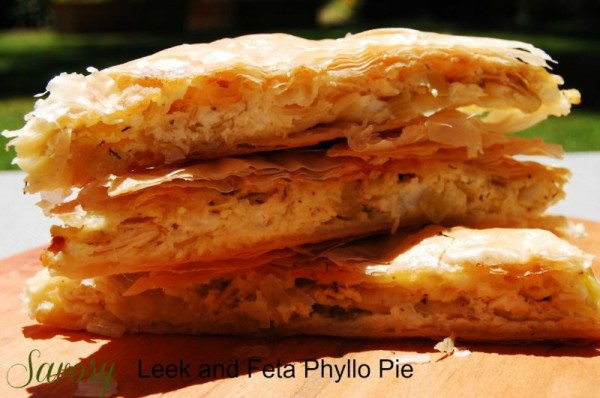
leek pie

  Menu:

Roasted Beet Hummus with Garlic Pita Bread

Quinoa Stuffed Grape Leaves with Yogurt Sauce

Leek and Feta Phyllo Pie

Braised Grecian Green Beans

Zucchini and Eggplant with Fresh Tomatoes

Cinnamon Rice Pudding with Fresh Berries

Call to register: (888)-478-2433

{ 0 comments }
Blood Orange Sweet Potatoes

by Mary Papoulias-Platis

Post image for Blood Orange Sweet Potatoes

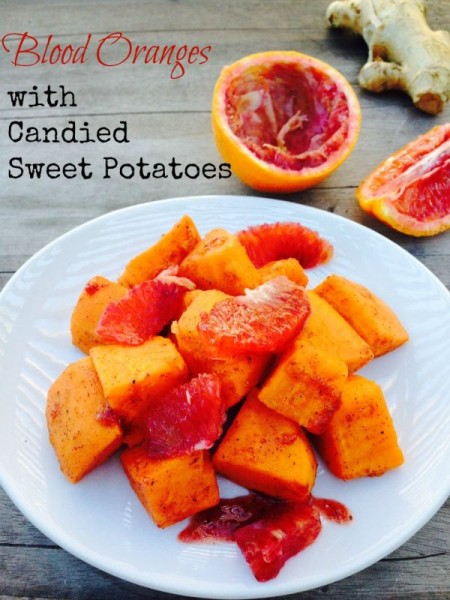
This Blood Orange Sweet Potato recipe was inspired by the warm orange season, and I just can’t get enough of them. I have planted two types of lemon trees, two orange trees, a fig tree and two apple trees. Oh, and I cannot forget my lime tree. So, with my orange citrus tree, I decided to marry the two flavors with my Blood Orange Sweet Potatoes! I add blood oranges to my salads, make quick fruit salsas, and use them to cold citrus drinks. But, I wanted something warm and filling- almost like Thanksgiving sweet potatoes. As I experimented with blood oranges, they make a great topping with any warm vegetable or grain. They can be added to roasted root vegetables for a perfect winter side dish.

Blood Orange Tips:

  • Find them December – May
  • Easy to peel and often seedless.
  • Sweet-sour flavor with a hint of raspberry
  • Lower in acid than many varieties.
  • Use for juice, desserts, sauces, marmalade, and relishes
  • One cup of excellent source of vitamin C and Thiamin.

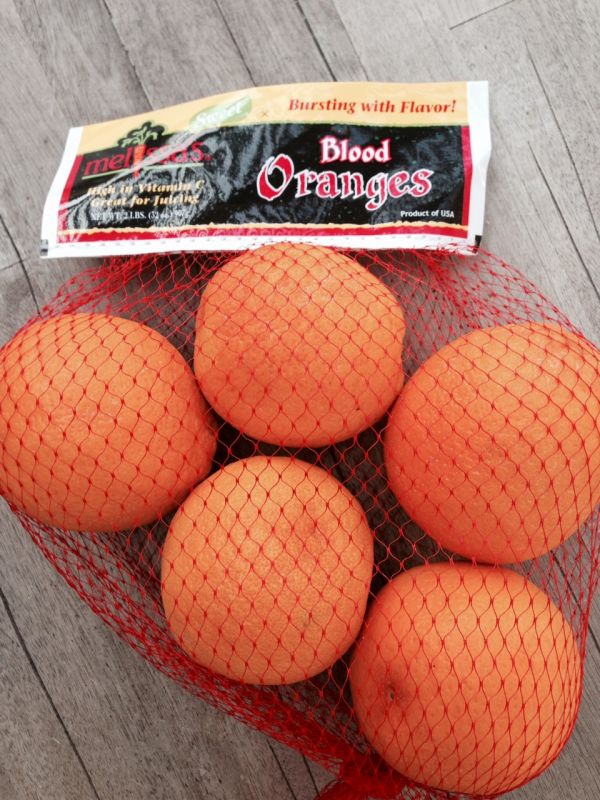
Melissa’s Produce sent me these beautiful blood oranges. I spent some time in the kitchen developing this recipe for my post, hoping to get that warm fuzzy fall dish I wanted for any time of the year. I stopped with the two ingredients, because they went together so well!

Blood Orange from Melissa's Produce


Blood Orange Sweet Potatoes

Sweet potatoes are one vegetable I can't live without. Use this simple recipe to get you started. Make ahead of time and serve through out the week.
Course Side dish or Main
Cuisine California, California Greek
Keyword blood oranges, sweet potatoes
Servings 8
Author Mary Papoulias-Platis

Ingredients

  • 1 pounds sweet potatoes, about 3 large
  • 1/2 cup freshly squeezed blood orange juice
  • 1/8 cup maple syrup
  • 1/2 teaspoon fresh peeled and grated ginger
  • 3/4 teaspoons cinnamon
  • 3/4 teaspoon ground cardamon
  • 1/2 teaspoon salt
  • ground black pepper
  • orange segments from 2-3 oranges

Instructions

  1. Preheat the oven to 350 degrees.
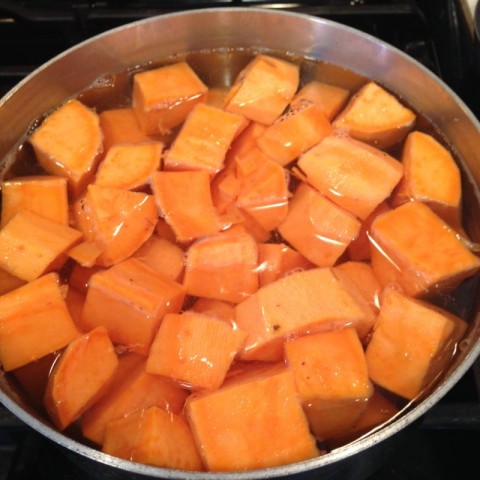
  2. Peel and dice the potatoes. Boil for 5 minutes. Drain.
  3. In a bowl add the remaining ingredients. Mix together.
  4. Spread the juice mixture on a sheet pan.
  5. Add the potatoes to the pan. Gently mix.
  6. Bake in the oven for 1 hour. Stirring every 15 minutes, until tender.
  7. Remove and serve warm.
  8. Garnish with cinnamon and orange segments.

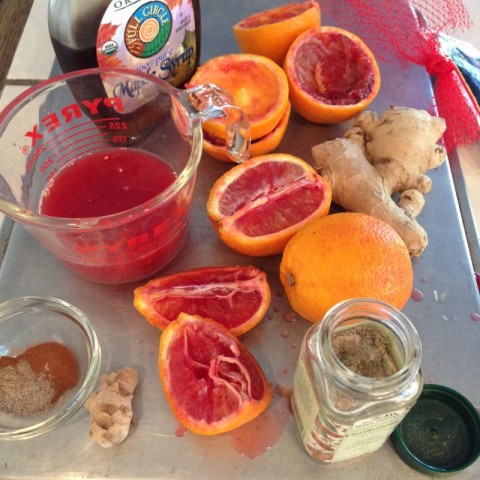
Always prep your items before cooking for an easier cooking experience. Often times you get caught for example squeezing juice in the middle of the recipe, when you can save time and do it ahead. Quick Tip: Bake these potatoes ahead of time and you have them all week long.

Mise en Place for the Blood Oranges and Potatoes


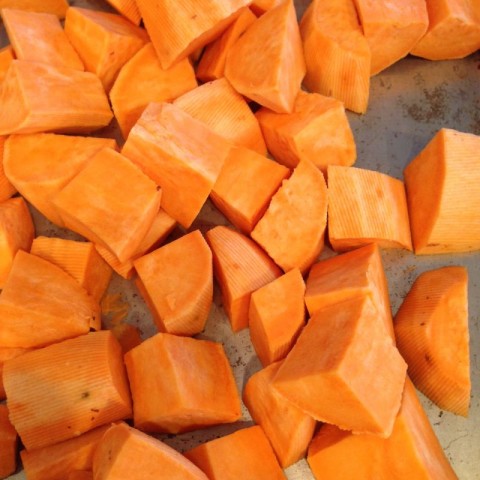
Cutting sweet potatoes evenly!

Boiling and Cooking Sweet Potatoes

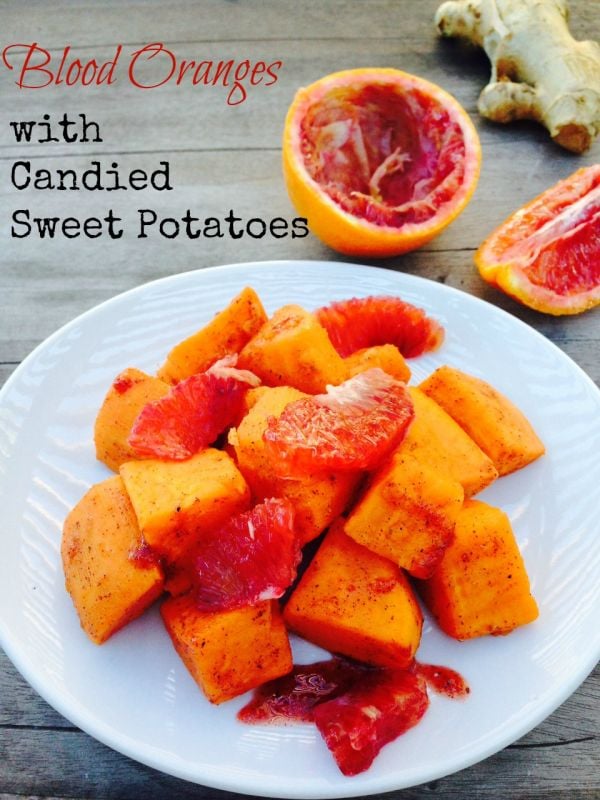
Blood Oranges with Sweet Potatoes

A perfect side dish or meal for your table,

Mary 


{ 2 comments }