Greek Cherry Sangria with Fresh Mint

by Mary Papoulias-Platis

Post image for Greek Cherry Sangria with Fresh Mint

Need a refreshing new sangria recipe for your summer parties and BBQ? Fresh summer cherries were my inspiration for this recipe. Sangria is a crowd-pleasing drink that can be made ahead and refrigerated before your event. In fact, a tasty sangria needs time in the refrigerator so the fruit juices meld into the wine. I chose a red blend we had in our pantry, but if you prefer more information on how to choose the right wine, Food and Wine wrote a great article on selecting the best wine for your sangria.

Once you make your first pitcher of sangria, your imagination with your choices of wine and fruit are endless. Match up your wines with fresh fruits such as watermelon, strawberries, peaches, apples, and grapes.  Change up the liquor and syrups with vodka, brandy, triple sec, sparkling water or ginger ale.  Just have fun exploring the possibilities!

Here are a few tips from that article:

  • No need to use an expensive bottle of wine.
  • Use the freshest fruit possible, to enhance your sangria. Always, thoroughly wash the fruit especially the citrus before adding to your pitcher.
  • Choose the fruit and spices, and herbs according to the wine you will be using.
  • For reds: use a wine with low tannins, which Spanish wines contain.
  • For whites: Avoid wines with lots of oak. They have little tannins, so any will do.
  • For Rose:  Select fruit-inspired wines from California.
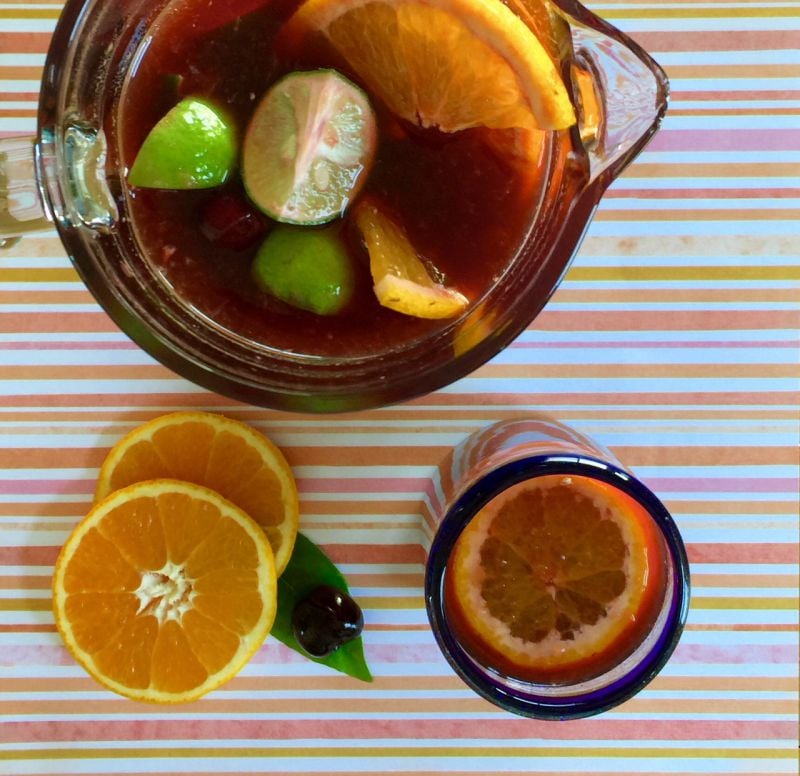
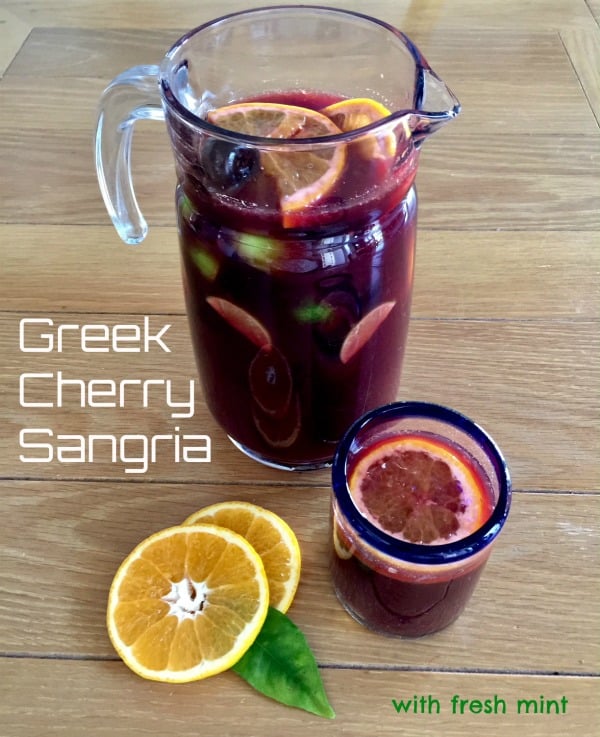
Greek Cherry Sangria

Greek Cherry Sangria with Fresh Mint

Fresh cherries are my  summer's choice of fruit to add to your favorite bottle of wine, in making a pitcher of fresh sangria. Make ahead and refrigerate any your guests will just love it's refreshing taste.

Course Drinks
Cuisine California Greek
Keyword sangria
Servings 8
Author Mary Papoulias-Platis

Ingredients

  • 1 750 ml red wine such as a Merlot, Cabernet Sauvignon, Pinot Noir
  • 1 -1/2 cups fresh cherry juice (recipe below)
  • 4 cups freshly squeezed orange juice
  • 1/2 cup orange liquor - I used Cointreau
  • 3 sprigs fresh mint
  • 1 orange, thinly sliced
  • 1/2 lemon, thinly sliced
  • 2 limes, thinly sliced
  • ice

Instructions

  1. In a large bowl or large pitcher, add the wine, cherry syrup, orange juice and liqueur.  This is a good time to refrigerate the wine overnight.

  2. Add the fresh cherries, oranges, lemon, limes and mint and refrigerate for 2-4 hours. If you are refrigerating overnight, add the above with the 2-4 hours before serving.

  3. Serve on ice, and garnish with fruit slices. 

I used fresh cherry juice for this sangria recipe. I added the cooled cooked cherries to the sangria along with the other fruit. Or skewer them for a garnish for each glass.

Fresh Cherry Juice for the Sangria

This simple recipe for the cherry juice makes all the difference in the world. Strain the juice and add it to the sangria, and take the cooled whole pitted cherries and use as a garnish or add to the pitcher.

Course Drinks
Cuisine California Greek
Keyword cherry
Author Mary Papoulias-Platis

Ingredients

  • 1 pound fresh pitted cherries (about 4 cups)
  • 1 cup sugar
  • 1/2 juice fresh lemon
  • 1 1/2 cups water

Instructions

  1. In a medium saucepan add the cherries, sugar, lemon juice and water. Bring to a boil, the simmer for about 10 minutes.

  2. Skim with a spoon any froth from the top of the cherries as they cook. Discard.

  3. With a slotted spoon, remove the cherries and set aside. Cool. Add to the sangria or use as a garnish for the glasses. 

  4. Continue cooking the syrup until slightly thickened. Cool and add to the sangria.
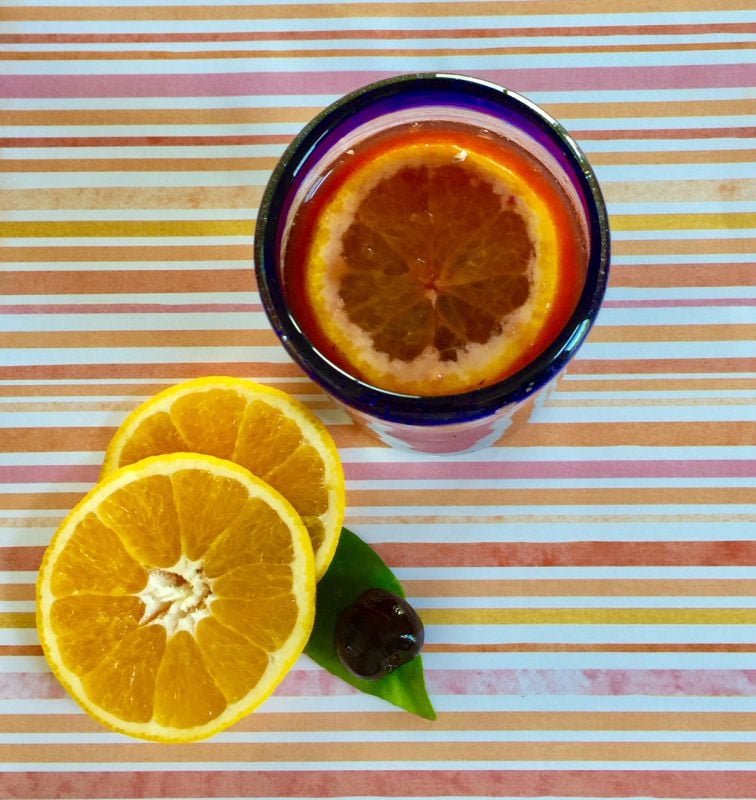
 

Sangria Fruits

Enjoy my Melon Elderberry Sangria for a new twist!

 

Wishing you a wonderful summer,

{ 0 comments }
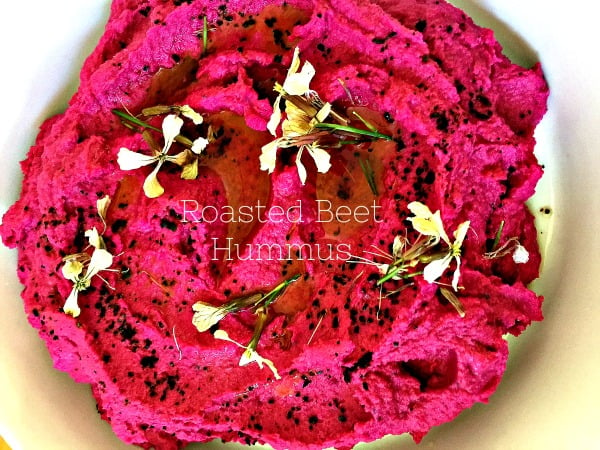
Roasted Beet Hummus

by Mary Papoulias-Platis

Post image for Roasted Beet Hummus

Everyone knows the traditional hummus appetizer today, and I’m thrilled it’s finally showing up on our supermarket shelves. I’ve been eating it for years, and never can get enough of it. I often serve it as an appetizer called “Meze” in our Greek home with toasted pita bread. If you would like to begin making your own, I have my original hummus recipe for you to make and enjoy on my blog.

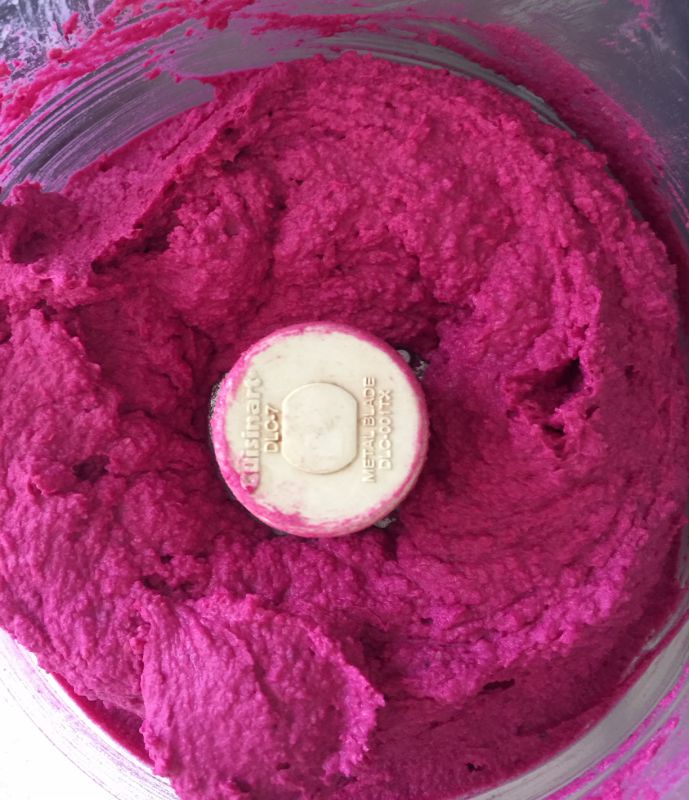
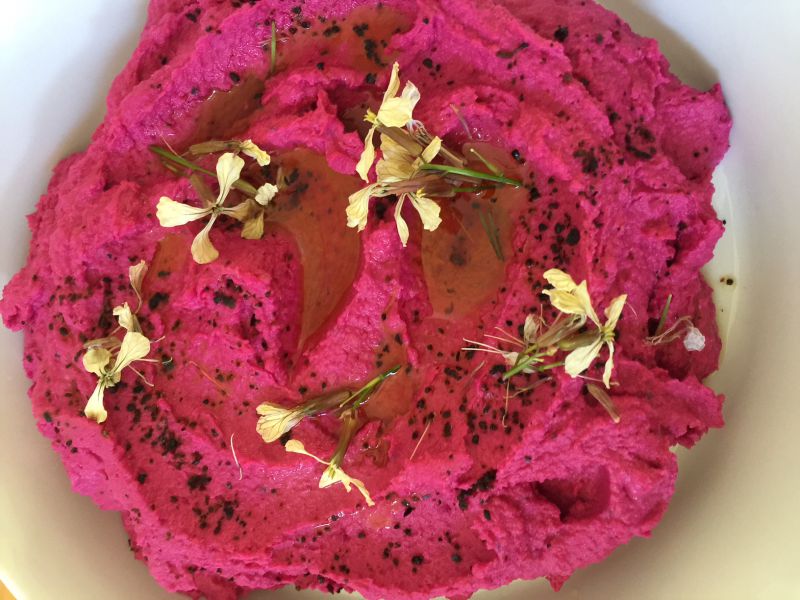
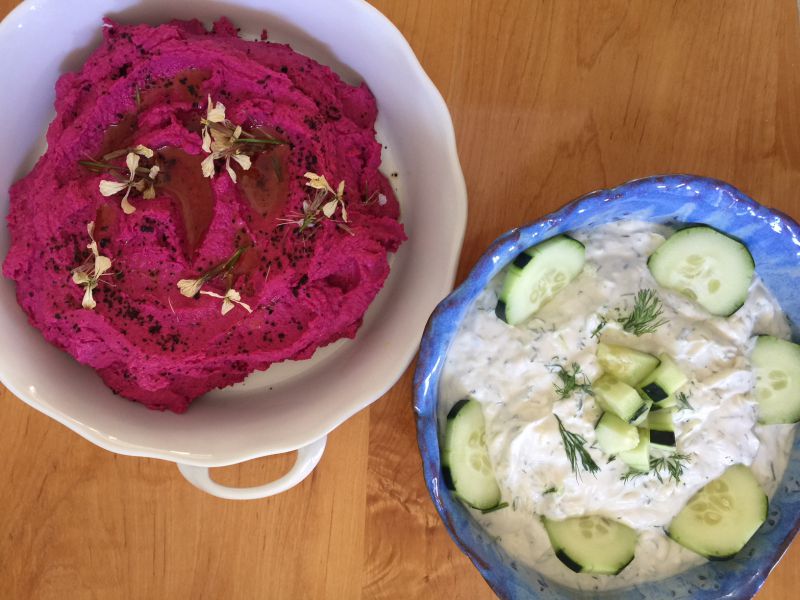
Beets are a staple in the Greek cuisine as in many other countries, and this is a twist to the original hummus most people are familiar with. This beet hummus continues to surprise my students, each and every time I teach it. The color is brilliant with a unique sweet flavor the beets impart on the garbanzo beans. Please don’t hesitate, because of the color or taste.

Beets are a Power Food!

  • Beets are high in immune-boosting vitamin C and fiber.
  • Minerals such as potassium  and manganese are present for our organ health.
  • Vitamin B folate is also a strong health benefit.

You can serve this with pita bread which is the traditional method, or add gluten-free chips or crackers for an alternative choice. I do like to serve mine with fresh vegetables such as Jicama, carrots, and red pepper slices.

Using a food processor or high powered blender, will do the trick for a smooth  consistency.

Make sure you adjust the flavors at the end! The beets and chickpeas have different moisture content so add olive oil or water if needed.

Roasted Beet Hummus

Add this new flavor to your hummus recipes as it makes everyone smile with it's bright red color. 

Course Side Dish
Cuisine California Greek
Author Mary Papoulias-Platis

Ingredients

  • 2 small roasted beets, peeled and roughly chopped
  • 2 cans (15oz.) chickpeas, drained and rinsed
  • 1/3 cup tahini
  • 2 garlic cloves, chopped
  • 1/4 cup fresh lemon juice
  • pinch of cayenne pepper
  • extra virgin olive oil if needed and for topping

Instructions

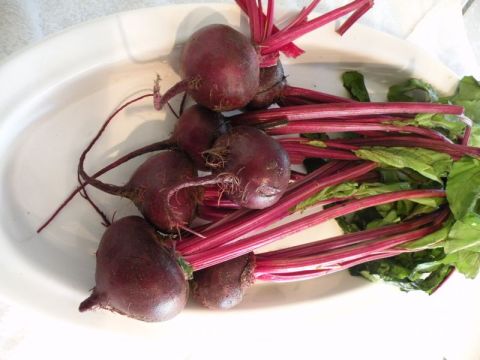
  1. Wash the beets to remove all the dirt. Remove the stems and wrap in foil.

  2. In a 400 degree oven, roast on a sheet pan for 35-45 minutes depending on the size of your beets.

  3. Remove and let cool slightly, remove the skins and trim away root. Roughly chop.

  4. Combine all the ingredients in a food processor or blender, and blend until smooth, 2-3 minutes, stopping to scrape down the sides. Serve.

  5. If needed: add more liquid gradually, by adding olive oil. Top with olive oil which is optional.

Recipe Notes

You can use pre-cooked beets with this recipe.

Add it to your appetizer table for your next party! It’s a big hit in my family,

Mary

{ 0 comments }

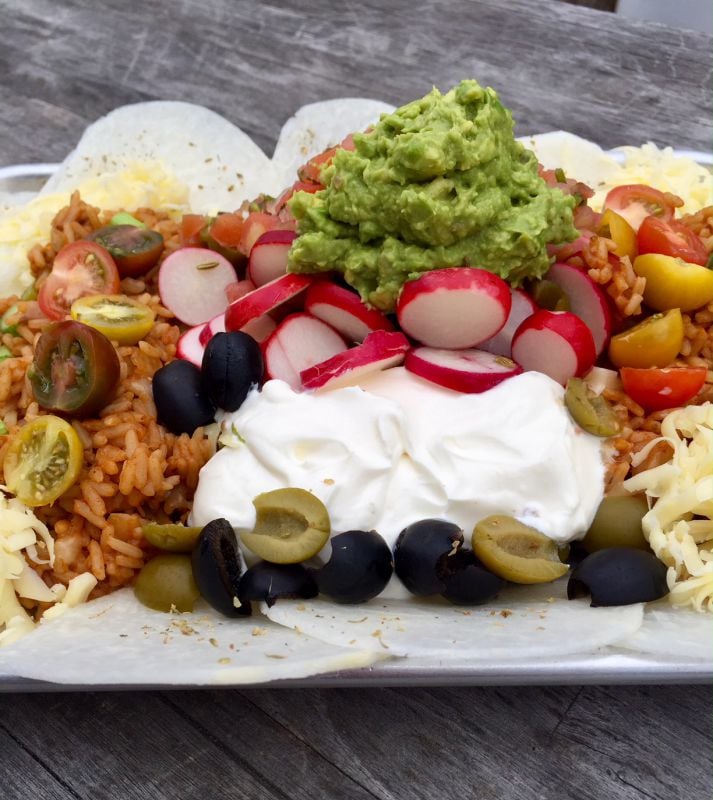
Post image for Jicama Nachos with Rice, Beans and Pickled Radish

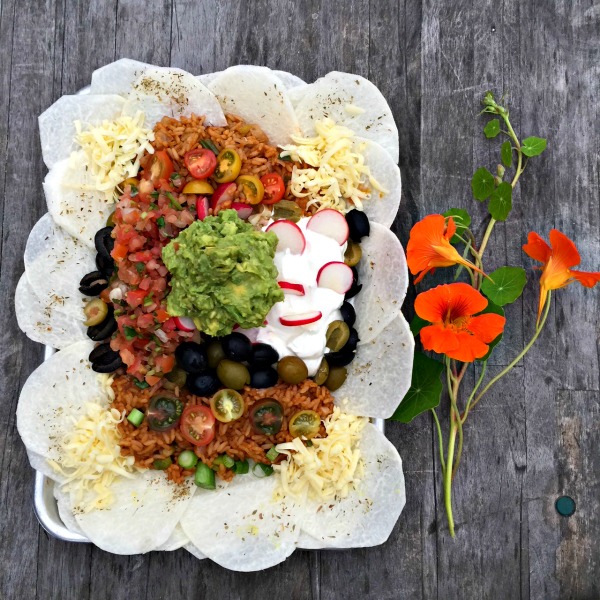
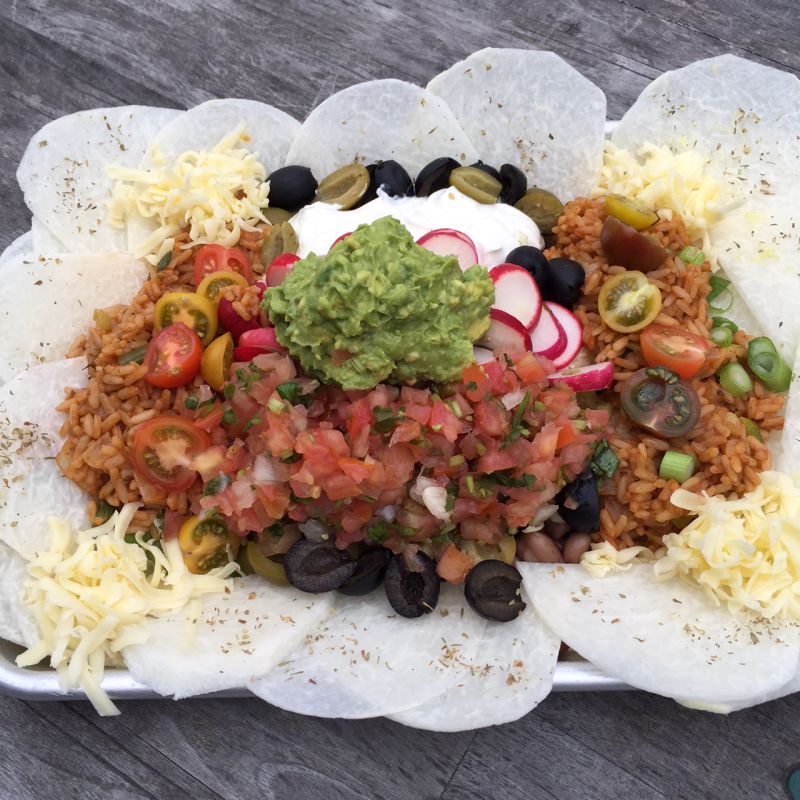
Cinco de Mayo is a celebrated here in San Diego, all around town and throughout the night. Nachos are one of the many dishes offered at any event or party you will be attending during this holiday. Nachos are a layered dish made with corn tortillas and many individualized ingredients. It’s basically a free-for-all type of recipe. Traditionally, along with the warm chips you add cheese, sour cream, meat, salsa and guacamole.  I decided to use Jicama in place of the chips for a healthier option, but also for a new twist on an old favorite.

I know, I can hear it now. Why? Don’t get me wrong, I do love my blue chips with guacamole! I also like the clean crispy crunch a Jicama chip gives you! It has a juicy refreshing taste and can be placed together with a bowl of hummus, added to salads and served as an appetizer topped with just about anything.

Here are a few facts about Jicama~

  1. Jicama is a root vegetable found in South America.
  2. It’s know for it’s high level of dietary fiber, which improved digestion.
  3. Vitamin C is very high in this root vegetable, great for the immune system.
  4. High levels of potassium is found in a Jicama, which helps with high blood pressure.
  5. Vitamin B6 helps with brain function, which you can find in high numbers in Jicama.
  6. Caution: the root of Jicama is edible, but the rest of the plant is highly toxic. Be careful not to eat the seed pods, leaves or vines, they are poisonous.

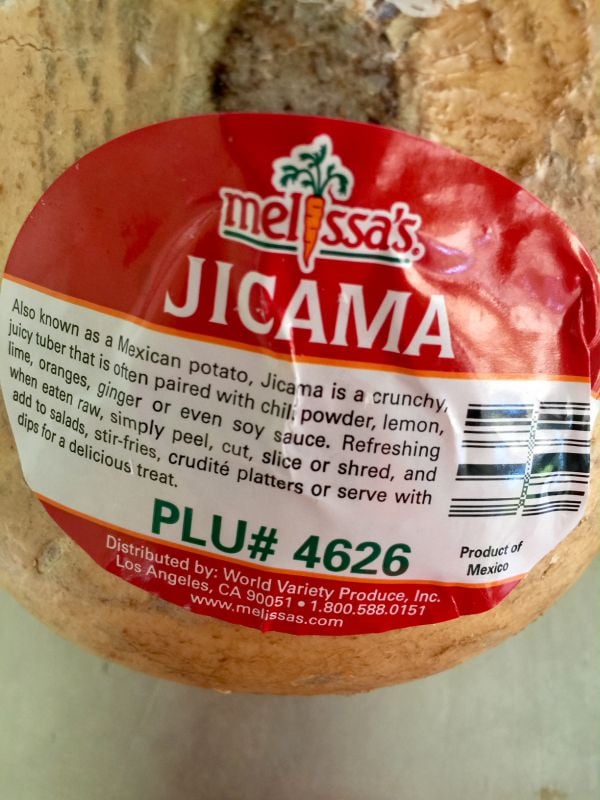
You can find Jicama in most stores today, but you can also but it online at Melissa’s Produce. Make sure the root is hard and firm, with no bruises or cuts. Use a peeler to remove the outer skin of the Jicama.

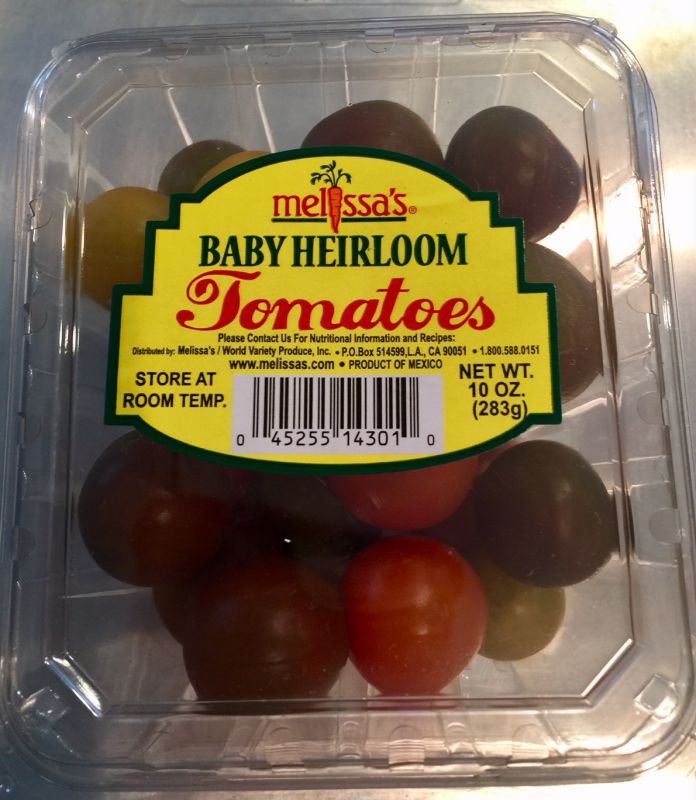
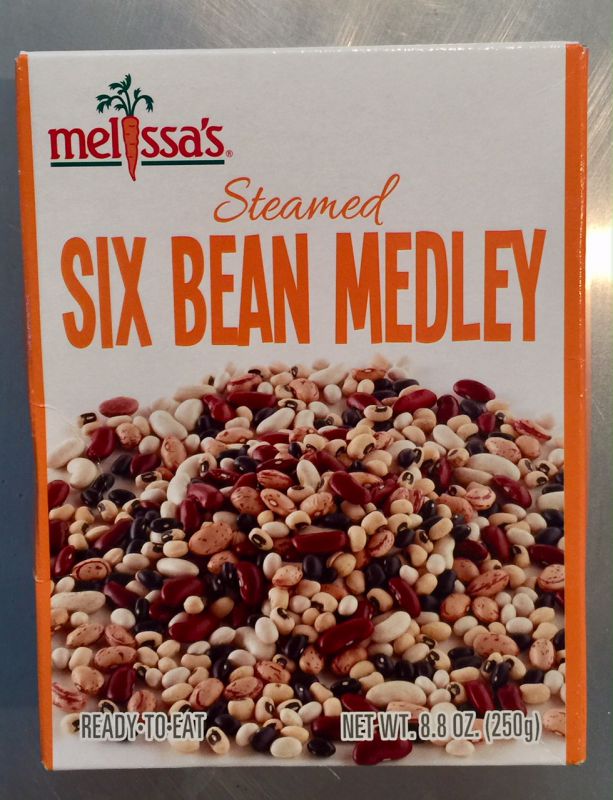
You can add any chopped tomato to the layered dip, or much easier are the baby tomatoes. Tip:  It keeps your dip from getting too juicy or soggy. This is also a product of Melissa’s Produce. Below, is a steamed bean medley that I added for the protein needed to make this dish complete.

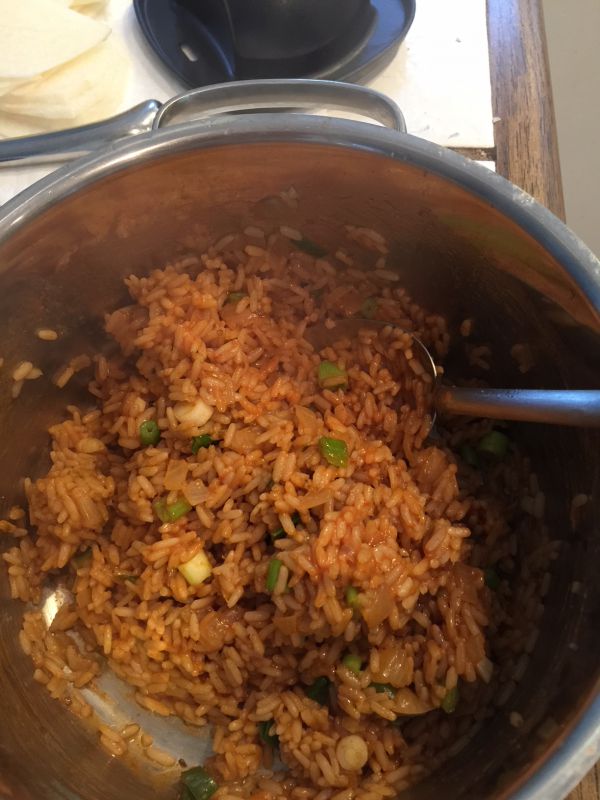
As I contemplated about adding more flavor to dish, I decided to add an old Mexican rice recipe that I have made over and over to the nacho dip. It gives the dish added protein.

Everyday Mexican Rice

Add this to your taco bar or any Mexican table and you will have a complete menu for your guests.

Course Side Dish
Cuisine Mexican
Servings 8
Author Mary Papoulias-Platis

Ingredients

  • 3-4 tablespoons olive oil
  • 3/4 cup chopped onion
  • 1 1/2 tablespoons minced garlic
  • 1 1/2 tablespoons seeded and finely chopped jalepno chili
  • 1 1/2 teaspoons dried oregano
  • 1 1/2 teaspoons ground cumin
  • 1 teaspoons chili powder
  • 1 1/2 cups long-grain white rice
  • 2 2/3 cups vegetable or chicken broth
  • 6 tablespoons crushed tomatoes with puree, or chopped tomatoes
  • 1 1/4 teaspoon salt
  • 6 tablespoons chopped green onions

Instructions

  1. Heat oil in a large saucepan over low heat. Add the next six ingredients. Cook until onions have softened, about 10 minutes.

  2. Add rice, cook 2 minutes stirring to prevent sticking. Add the broth, tomatoes, and salt. Bring to a boil. Reduce heat and simmer until rice is tender 25-30 minutes.

  3. Mix in green onions and remove from heat. Let sit for 10 minutes. Fluff with fork and serve.

Here’s your Shopping List – Choose all or just what you like.
1 (6 ounce) can each of black and green pitted olives
1 large Jicama
1 pkg. of six bean medley from Melissa’s Produce.
1 container sour cream
1 container of Salsa Fresca
1-2 cups Baby Heirloom tomatoes from Melissa’s produce.
1 bunch Green Onions
1 bunch radishes
2 avocados
1  lb. cheese, your choice I used white cheddar
1 lemon for the avocado
Ingredients for the rice recipe.
There is no recipe but here are a few instructions!
1. Prepare the rice recipe. While the rice is cooking, prepare all your ingredients.
2. Begin by peeling and thinly slicing or cutting into fries the Jicama.
3. Thinly slice the radishes and pickle them.
4. Slice the olives and tomatoes in halves.
5. Drain and rinse the beans.
6. Shred the cheese.
7. Make the guacamole, add the juice of one lemon, salt and pepper.
Begin layering!
1. Arrange the Jicama around the platter.
2. Add the rice and bean layer.
3. Add the sour cream and the salsa.
4. Add the sliced olive and tomatoes.
5. Add the shredded cheese.
6. Top with the quick pickled radishes and several dollops of the guacamole.

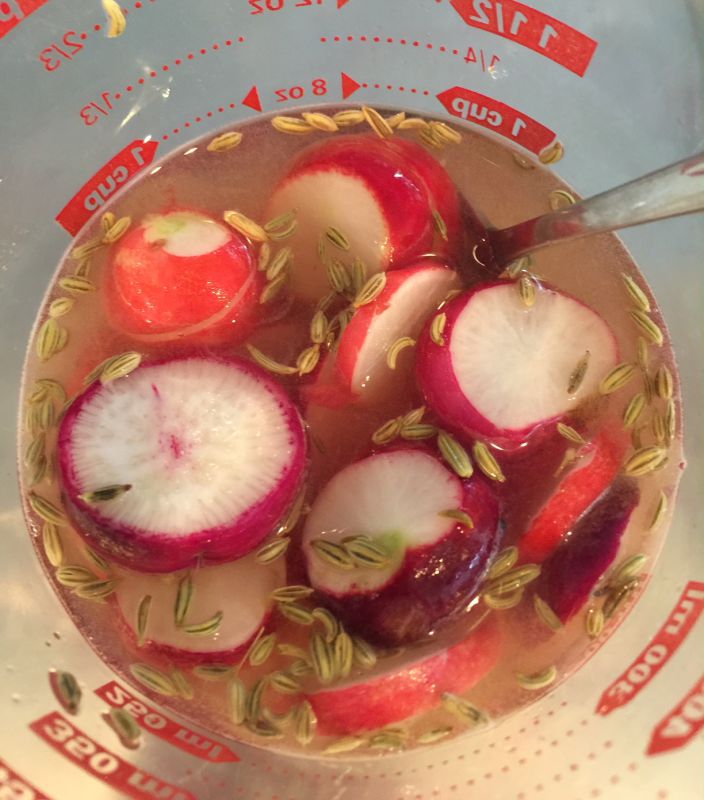
For the Quick Pickled Radish: Add sliced radishes to a bowl and add 1/2 cup apple cider vinegar, 1/2 cup sugar, 1/4 cup water and 1 teaspoon salt. Mix well.  I added a few fennel seeds for flavor, it’s optional. When ready drain and add to dish.

Happy Cinco De Mayo! 

Mary

{ 2 comments }

Post image for Roasted Corn, Tomato and Feta Salad with Ali Rosen

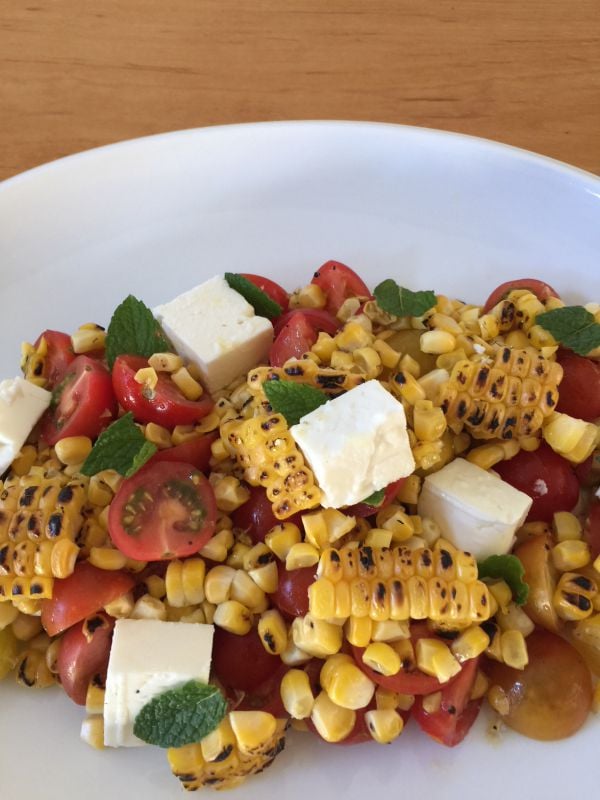
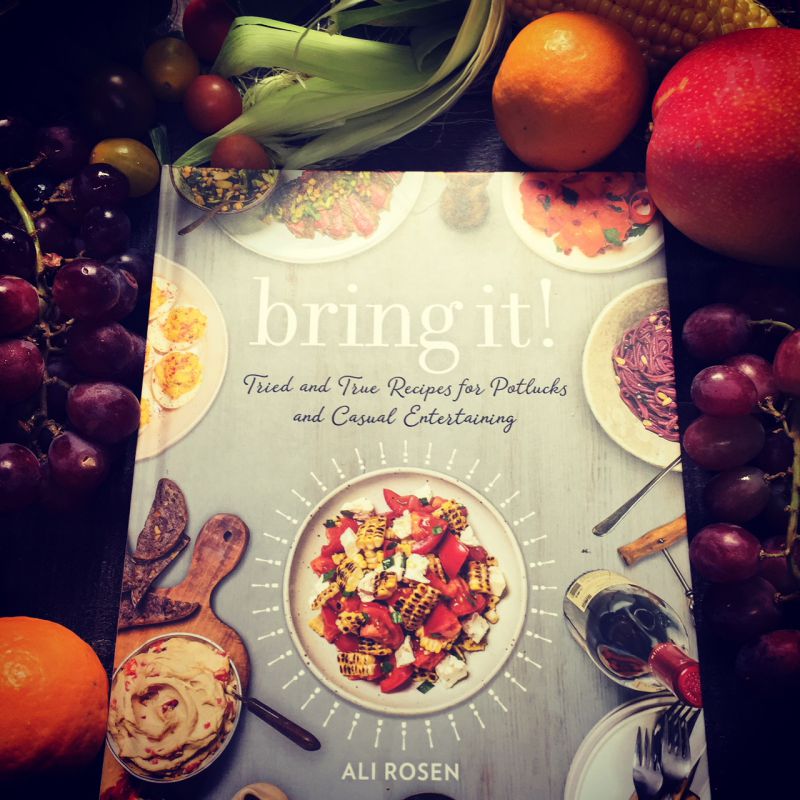
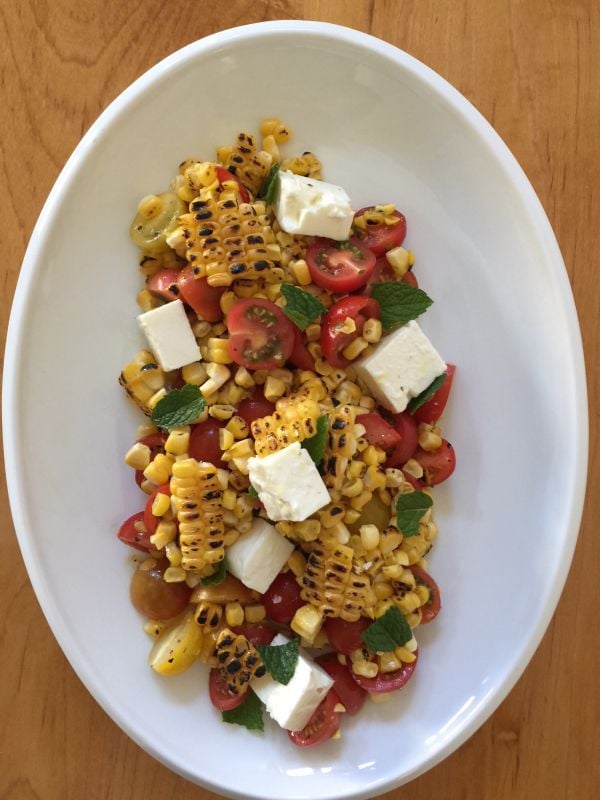
Bring It! A new cookbook from Ali Rosen, one you need for quick and delicious dishes for your next potluck or casual dining. She developed these recipes to be made ahead, made in stages and composed with regular grocery store-caliber ingredients. Expect dishes that come together easily, hold well, travel beautifully, and are custom designed to invite compliments by the dozen. As you can see from the pictures at the Melissa’s event, it was difficult to select just one dish to feature on my blog. I chose the Roasted Corn, Tomato and Feta Salad for its corn charred flavor and of course the luscious feta topping.

Roasted corn and tomato salad

Ali includes a sensitive timetable for preparing these dishes, to help you in determining the time you have to prepare and complete the dish before an event. They are divided in three categories:

  1. Fridge to table – room temperature dishes, and the dish does not need to be served cold.
  2. One day ahead – made on your own time and can be held overnight.
  3. Thirty minutes – recipes on the quicker side.

All these dishes of course can be made at any time, but it helps to know the prep time involved.

Ali Rosen at Melissa's produce with me.

Melissa’s Produce invited the author as their guest speaker and the menu they had chosen was just as special. With a buffet worth recreating the author chose to have an array of dishes you may want to bring to your next event. From Deviled Eggs with Shrimp to Snowy Chocolate Cookies. Along with her Stuffed Mushrooms, Prosciutto Wrapped Asparagus, Snap Pea Soup and her Most Flavorful Bolognese there is no excuse for not bringing a dish or entertaining at home.

Bring It!, cookbook by Ali Rosen.

Here are some great tips from her cookbook:

  • Start with a more casual mindset. Bring the dish complete to a potluck.
  • Consider all the various diet preferences, when entertaining at home.
  • Before you get your heart set on a dish, consider the location, outside or indoors.
  • Keep themes broad so everyone can participate in bringing a meal.

Sanp pea salad

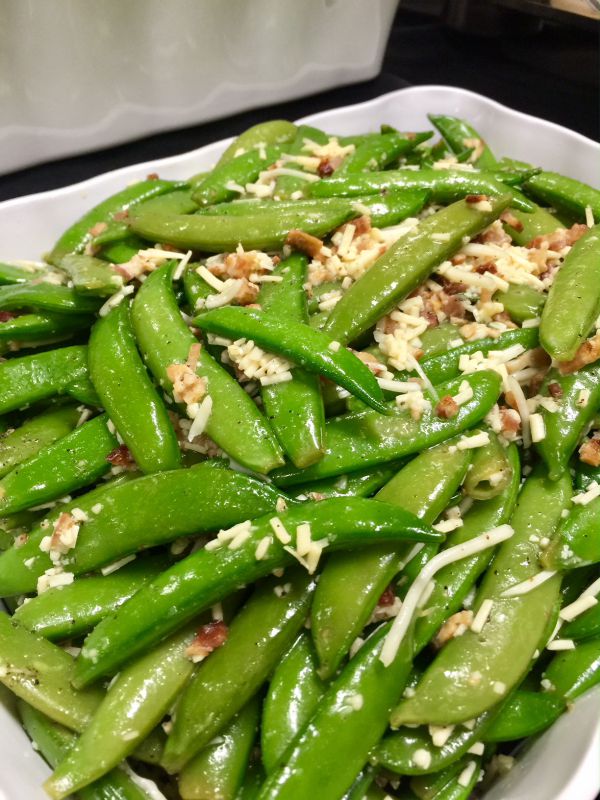
Snap Pea Salad with Parmesan and Bacon

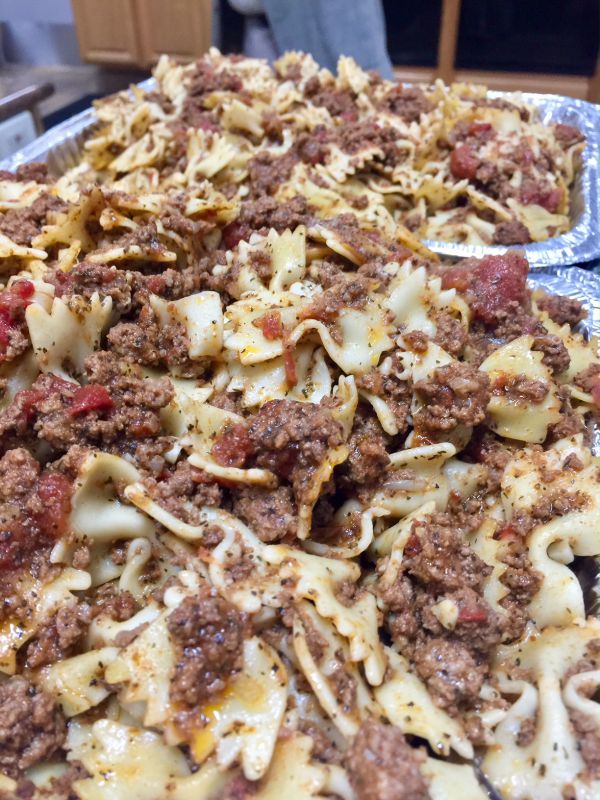
Best pasta in Bring It cookbook.

The Quickest, Most Flavorful Bolognese

Deviled eggs in Bring It! cookbook.

Deviled Eggs with Shrimp

Stuffed mushroms in Bring It!

Stuffed Mushrooms

BBQ corn and tomato salad.

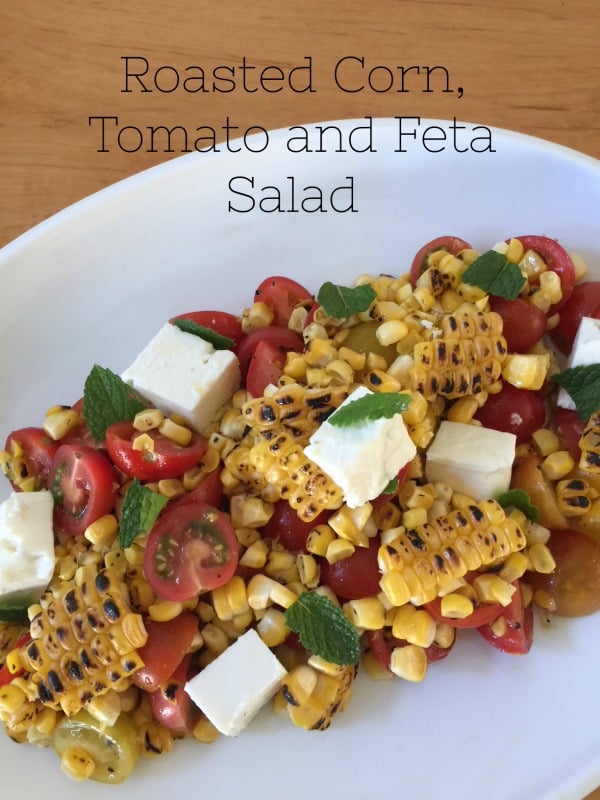
Roasted Corn, Tomato and Feta Salad – I chose this salad for its freshness and flavors from the roasted corn. And what recipe would be complete without feta for a little bit of saltiness.

Roasted Corn Salad with Tomato and Feta

This is a refreshing and easy salad to take to any party! Don't skip the roasting of the corn; just roast the ears over a gas burner, use a BBQ or roast in a cast iron pan. Perfect for the outdoor potluck as well.

Course Salad
Cuisine American
Author Ali Rosen

Ingredients

  • 3 ears corn (about 2-1/2-3 cups kernels)
  • 2 cups fresh tomatoes or cherry tomatoes (2 pounds or 2 large)
  • 1/2 cup crumbles feta
  • 1/4 cup diced fresh basil
  • 2 tablespoons fresh lemon juice, about 1/2 a lemon
  • 2 tablespoons extra virgin olive oil
  • dash of salt and freshly ground pepper

Instructions

  1. If you have a gas oven, turn a stovetop burner to medium heat. Place the corn directly on top and turn approximately every minute until corn is charred all the way around. If you do not have a gas stove, you can place the corn under the broiler in your oven, but be sure to turn it every 10-20 seconds or so to avoid overcooking it.

  2. Allow the corn to fully cool and then cut the kernels from the cob.

  3. Combine all the tomatoes, feta, basil, lemon juice, olive oil, salt and pepper with the corn and serve.

Recipe Notes

I used fresh mint from my garden in my recipe.

Happy Entertaining,

{ 0 comments }

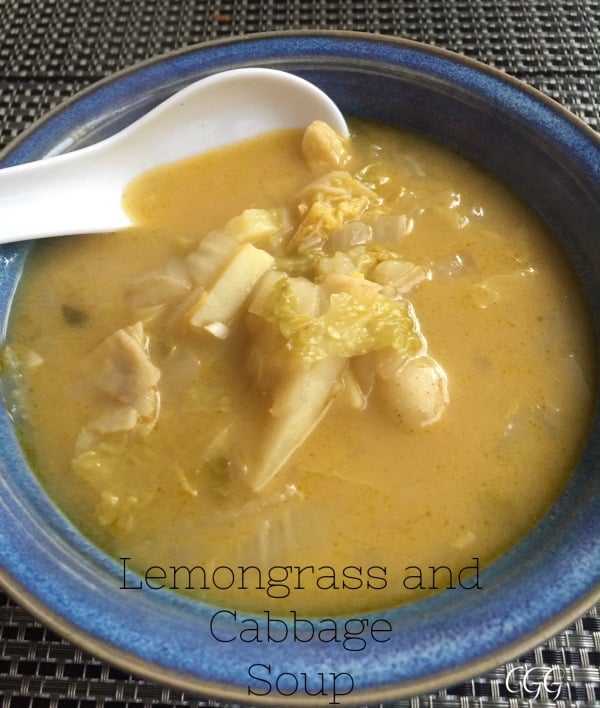
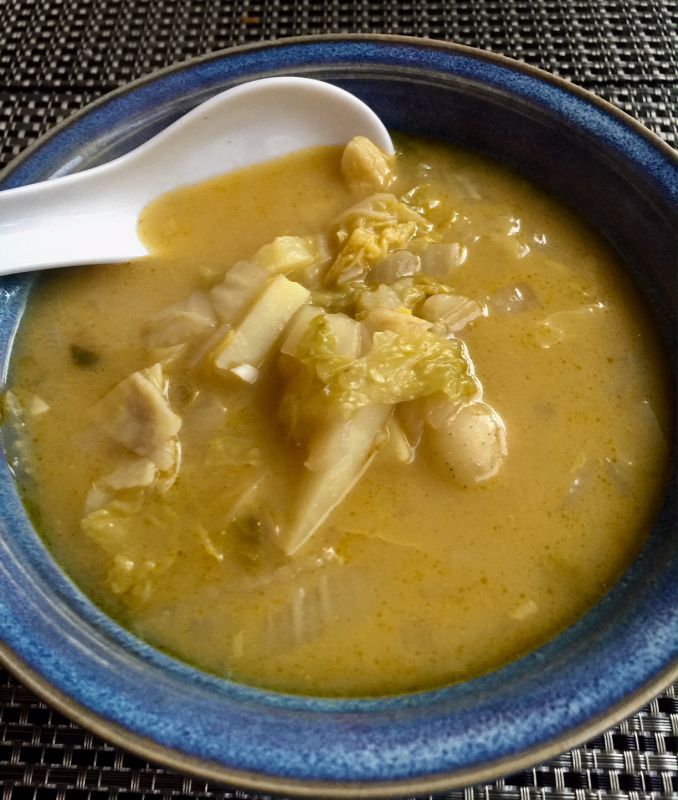
Post image for Lemongrass Cabbage Soup with Author Jill Nussinow

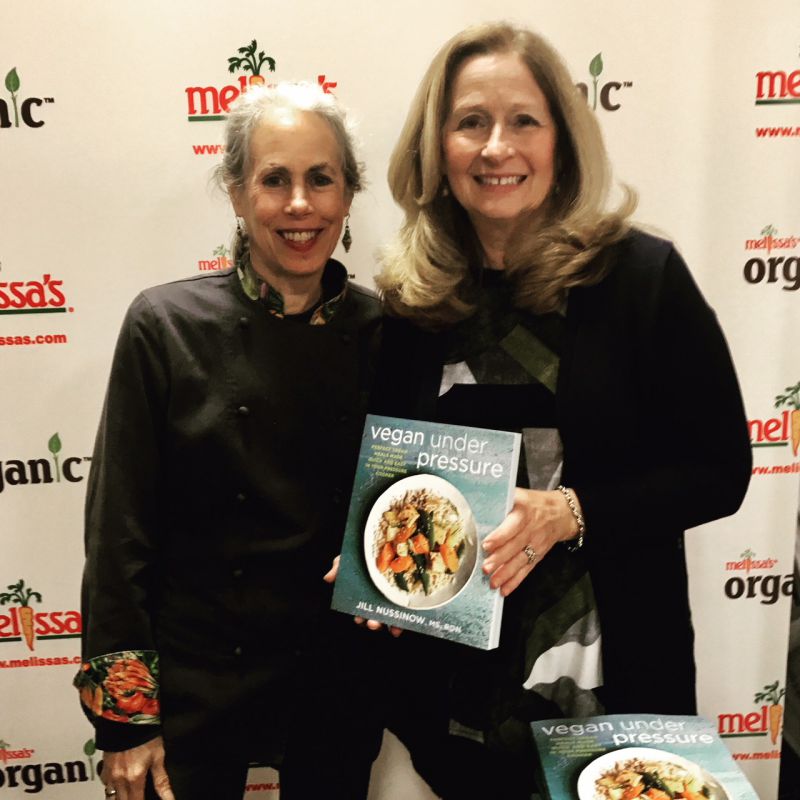
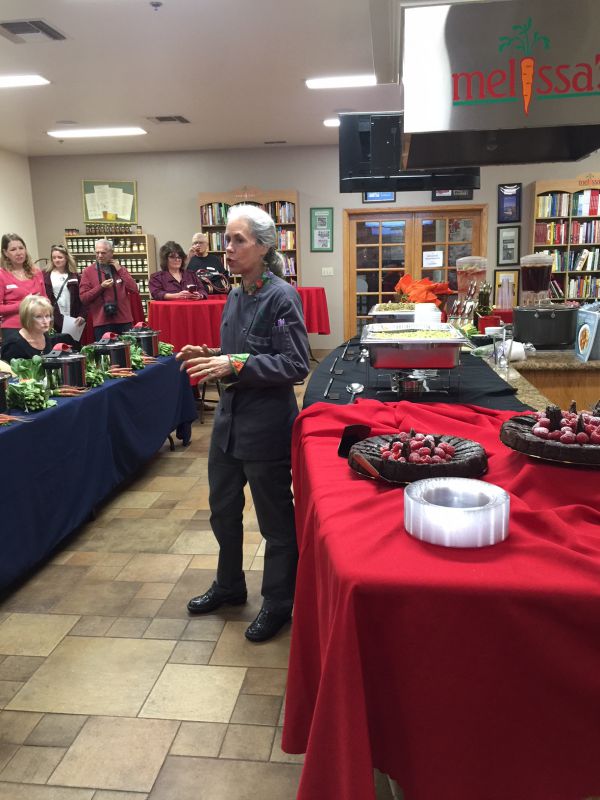
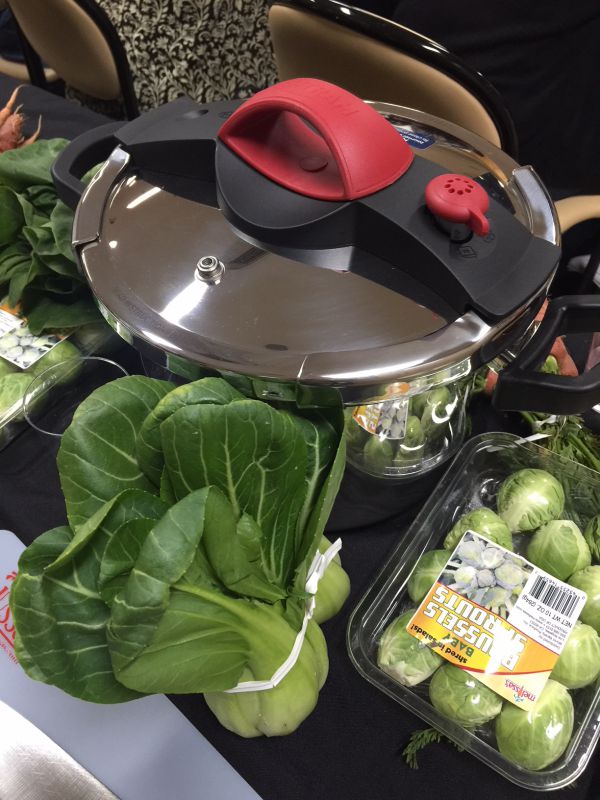
Obviously, this post is not about Greek food. But, I’m always curious about other cuisines and expanding my food knowledge. As you know, I visit Melissa’s Produce monthly and bring back new innovative ideas to help you along in the kitchen. This event intrigued me, only because I have never cooked with a pressure cook before. Sitram USA teamed up with Melissa’s Produce and expert Chef Jill Nussinow for a pressure cooking demonstration. She gladly introduced us to her new cookbook, Vegan Under Pressure.

I can say I came away with this incredible new recipe for you, but a no-fear attitude on cooking with a pressure cooker.

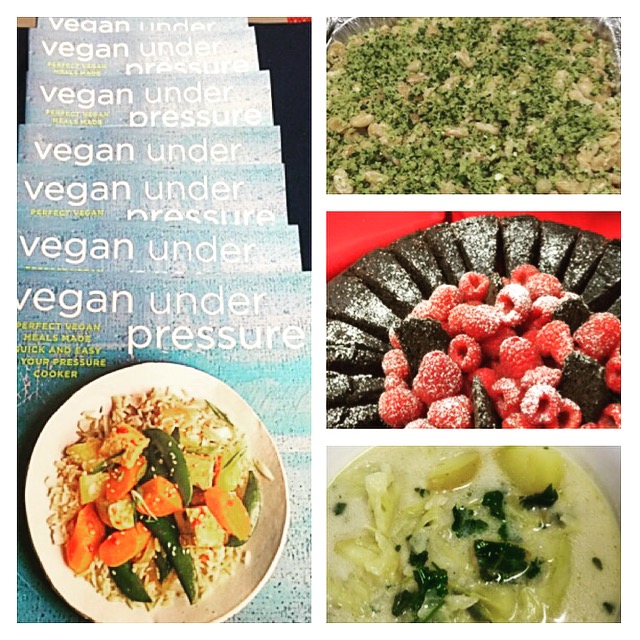
Melissa’s Produce cooked up a storm from Jill’s new cookbook, and it was all incredibly delicious.They demonstrated all the different ways to create dishes for you family with the use of the pressure cooker. The menu included Fall Vegetable Quinoa salad, Brussels Sprouts with Maple-Mustard Sauce, Millet and Lentils with Mushrooms, Canellini Beans with Gremolata, and Lemongrass Cabbage Soup. And for dessert a creamy moist Chocolate Cake., that is worth making. (check it out in the photo below)

Best of all was the introduction of the pressure cooker from SitramUSA that we were all given to work with during this event. It gave us a better understanding of how the cooking method was assembled and gave us the confidence to take it home and work wit it in our own kitchens.

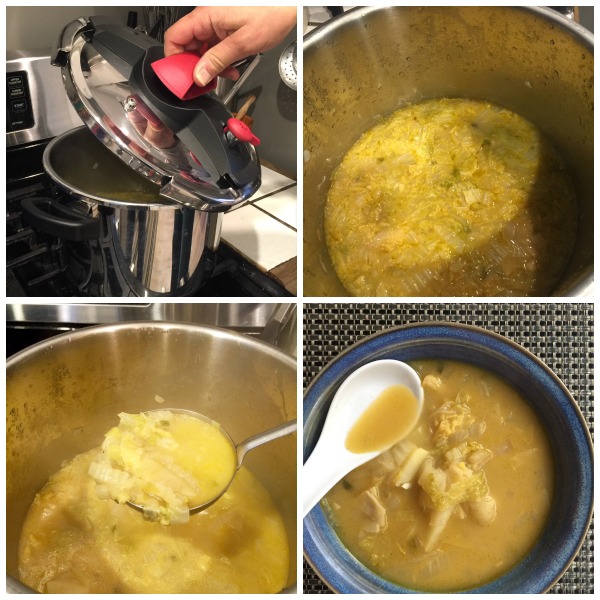
Sitram USA was kind enough to provide us with a pressure cooker to take home and use for our meals. I chose to make the soup for it’s flavor profile and uniqueness. So, I assembled all the ingredients and literally in 14 minutes I had dinner on the table.

What???? Yes, that’s right.  And the pressure cooker was a winner in my book. Where was this appliance when I had 5 people to feed?

Just lift the top off when the pressure is off and it cools. The soup is warm and ready to be served. Sitram has made this method safe and carefree. Once you use it a couple of times, you will feel much more comfortable cooking with it.

Lemongrass Cabbage Soup

Course Soup
Author Jill Nussinow

Ingredients

  • 2 teaspoons olive oil, optional
  • 1 cup diced onion
  • 1 hot chile, such as ripe jalepeno, or serrano,wither dried and left whole or fresh and minced, optional
  • 1 lemongrass stalk, hard outer leaves discarded, stalk trimmed, cut into-2-inch pieces, and bruised with the back of a knife
  • 1 garlic clove, minced
  • 2 thin slices fresh ginger, about the size of a quarter, plus more for grating
  • 1/2 medium to large cabbage thinly sliced to equal 6 cups
  • 1 medium Yukon gold potato, sliced to equal one cup
  • 4 cups vegetable stock
  • 1/2 cup coconut milk, coconut beverage, or a few drops of coconut extract mixed with water
  • grated zest and juice of 1 lime
  • salt and freshly ground pepper
  • fresh chopped cilantro for garnish

Instructions

  1. Heat a stovepot pressure cooker over medium heat or set an electric cooker to saute, add the oil, if using. Add the onion and cook for 1 to 2 minutes, until no longer raw. Add the chile, if using, the lemongrass, garlic, and ginger, and cook another minute or two until the onion is just beginning to soften.

  2. Add the sliced cabbage and potato, along with the stock and coconut milk. Lock on the lid. Bring to high pressure : cook for 4 minutes. Let the pressure come down naturally. After 10 minutes, quick release and remaining pressure.  Carefully remove the lid, tilting it away from you.

  3. Using tongs, remove and discard the dried chile, along with the ginger and lemongrass pieces.

  4. Add the lime zest and juice to taste ans season with salt and pepper and grated ginger, if you like. Garnish with cilantro and serve.

This is a soup I will make over and over again, its’ that GOOD!

Mary


{ 2 comments }

Greek Easter Bread with Dyed Eggs

by Mary Papoulias-Platis

Post image for Greek Easter Bread with Dyed Eggs

This is a traditional Greek Easter bread that was passed down to me from my mother-in law Helen. I would watch her year after year making these beautiful loaves and loved to eat them, but now excited to dive in take on the task. It took me years of watching and feeling the dough before I felt confident. This bread is not the traditional bread found in most Greek homes. We found it is liked by everyone in our family and has become our Easter bread. If you would like the eggs not cooked in the bread, make a round clump of foil or parchment paper in the shape of an egg and place it where you would like your eggs to be. Add the eggs after baking to your bread.

My recipe can be found here: Easter Bread.

As you know bread is fussy from year to year, month to month and day to day. The outcome depends on several important steps and information you need to know.

  • Set the entire day aside to make these loaves.
  • Make sure you buy fresh yeast.
  • Dye your eggs the day before baking. They are cooked when placed in the dough.
  • Have all your pans ready and loaf sizes planned ahead.
  • The weather is your friend or biggest enemy. Adapt your recipe to the weather. Do not pour all the flour in at once. Leave some out and feel the moisture of the dough, before adding too much.
  • Make sure you lay out all the ingredients before you get started.

You can design your own bread using braids or simply simple rounded loaves with or without the eggs. Pictured here  is an easy three braid bread. You can leave out the eggs, and add them after you bake the bread, by pinching out some of the dough.

Braided Greek Easter Bread

Or as I did you can make individual buns.

Braided individual Greek breads.

Be creative and decide and plan ahead for the correct size of pans you made need. And as you can see I just used sheet pans.

Ready breads for Easter Sunday.

I added sesame seeds, but they are optional.

Braided Greek Easter Bread

I happen to have good weather, and the bread came out fluffy and delicious.


Enjoy your bread making and Happy Greek Easter!


{ 0 comments }
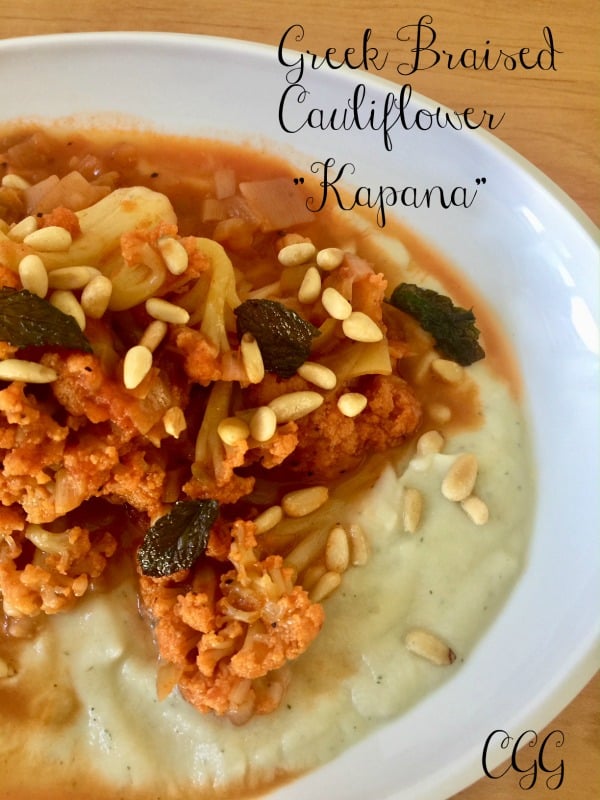
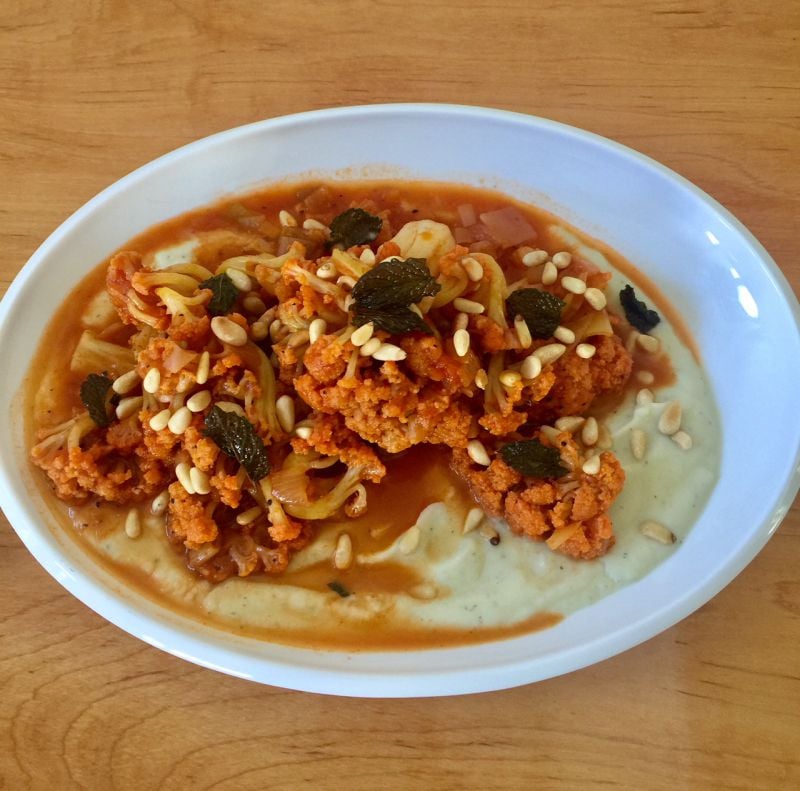
Post image for Cauliflower Braised in Tomato “Kounoupidi Kapama”

When I need a cauliflower recipe I tend to go simple, a steamed or roasted method. This time around, I wanted to elevate the traditional braised cauliflower I grew up on, making it a heartier version from my mother’s recipe. She would serve this with a Greek salad and call it a day when she served this as a meal.  It’s healthy and a quick meal for a weeknight, and can be served with brown rice or as a side dish. Or just bring out that homemade bread to catch all the drippings from the leftover sauce.

I made this a two-part recipe, to make it a hearty vegetarian meal. The puree is optional but it adds a more filling and complete dish. The braised cauliflower can be eaten as a side dish or with brown rice, quinoa, or any grain.

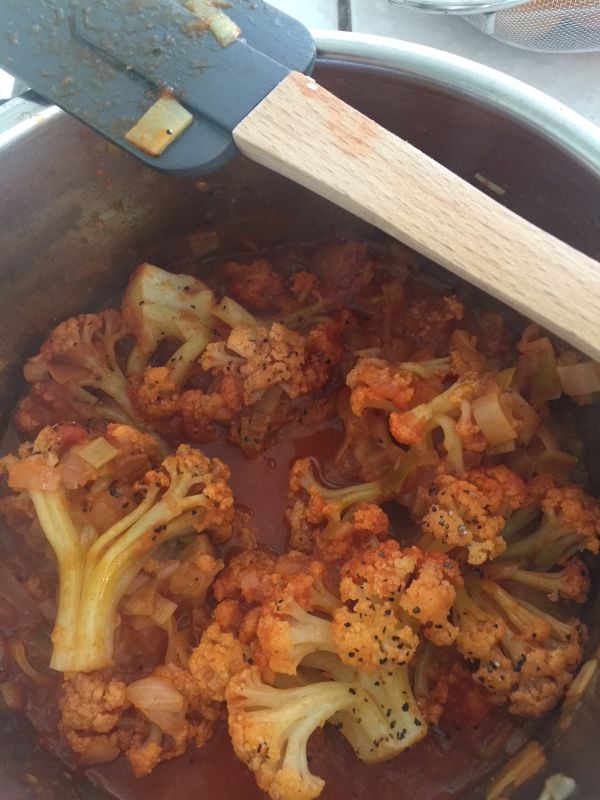
  • Start cooking the braised cauliflower on your stove.
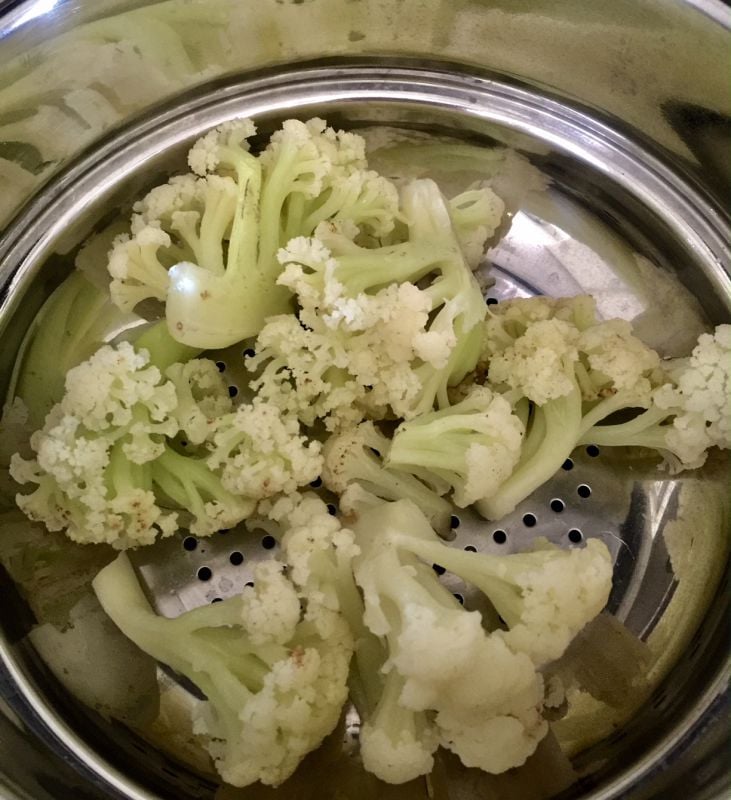
  • As the cauliflower cooks, begin steaming the cauliflower for the puree.
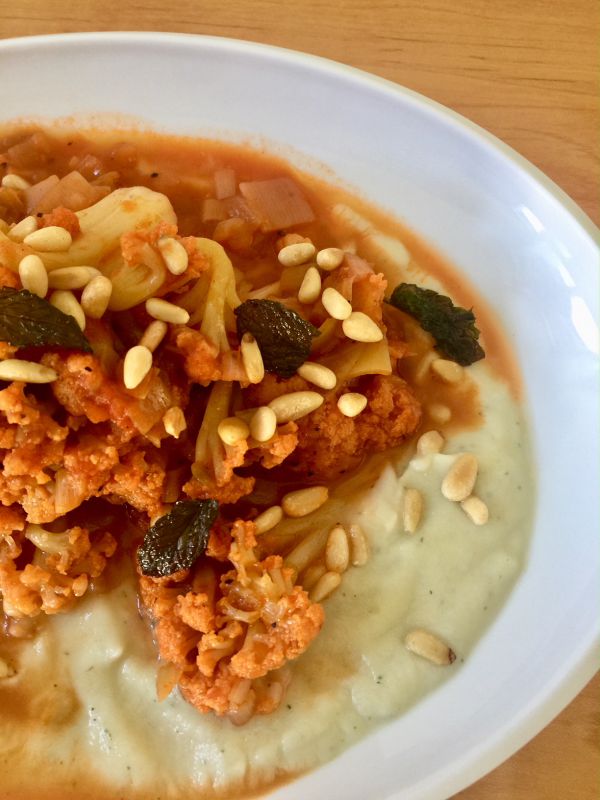
  • Place the puree on a large dish or in individual bowls and top with the braised cauliflower.
  • Add a crunch, top with any fried herb, and a toasted nut.
  • Serve family style or in individual bowls.

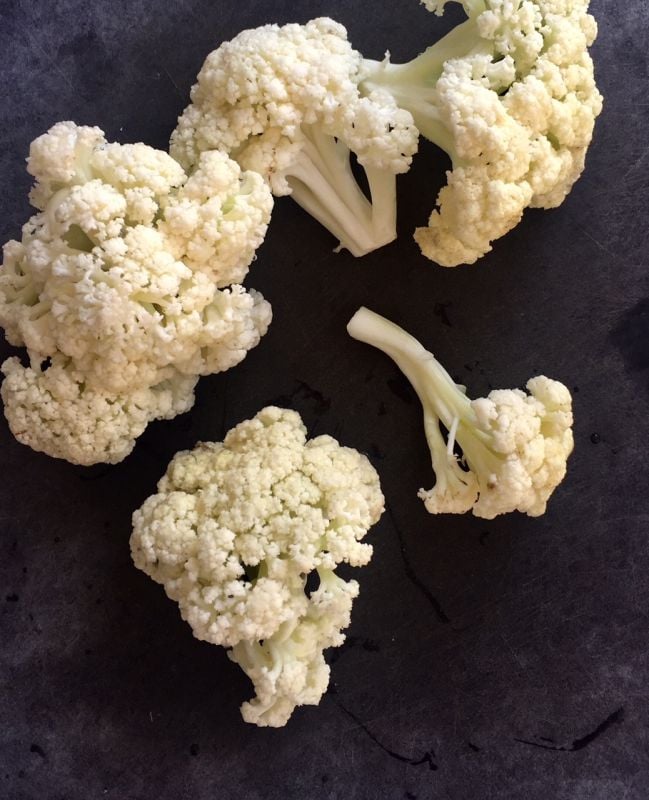
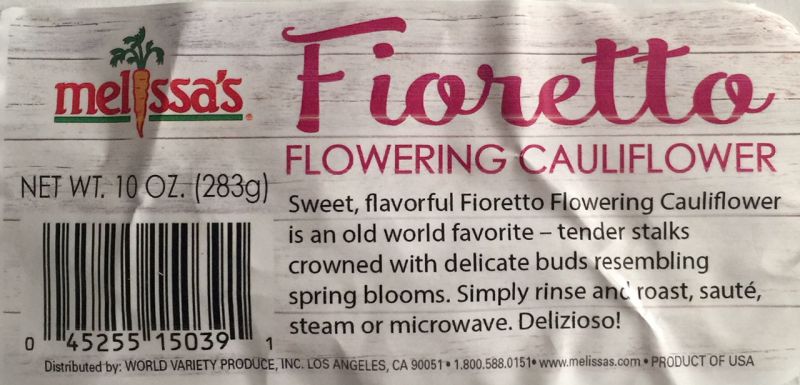
For cauliflower I used Melissa’s Produce, their new Fioretto Flowering Cauliflower. These are sweet flowering florets and an old world favorite. The stalks are tender with delectable buds similar to early Spring! They are packaged and ready to go, simply rinse and roast, saute, steam or microwave. Making even faster to get dinner on the table. You can use store -bought cauliflower to make this dish.


Cauliflower Braised in Tomato Sauce - "Kounoupidi Kapana"

This dish can't get easier. That's the beauty of authentic Greek cooking. They eat from the garden and cauliflower is a winter vegetable grown in Greek gardens. It's always in my garden as well. If you wish, you can add potatoes, cooked garbanzo beans, or fresh peas.


Course Main Course, Side Dish
Cuisine Greek
Author Mary Papoulias-Platis

Ingredients

  • 2-3 tablespoons extra virgin olive oil
  • 1 onion, chopped
  • 1 leek, chopped
  • 1 head cauliflower, cut into floretts or pre-cut
  • 1 small can tomato sauce
  • 1/2-3/4 cup water as needed
  • 1/2 teaspoon cinnamon
  • salt and pepper to taste

Instructions

  1. In a large saucepan, add the olive oil and saute the onion and leek until softened.

  2. Add the cauliflower florets, tomato sauce, water, cinnamon to the pot.

  3. Cover pan and simmer until tender, 35-45 minutes.

Steaming and Braising are the two cooking techniques in this recipe.

Cauliflower Puree

What a treat for any dish, this puree can be substituted for mashed potatoes and added to any vegetable or meat dish.

Course Side Dish
Cuisine California Greek
Author Mary Papoulias-Platis

Ingredients

  • 1 head cauliflower, chopped
  • water or vegetable broth for steaming
  • 2-4 teaspoons extra virgin olive oil or organic butter
  • salt and pepper
  • 1 sprig of fresh mint leaves or any soft herb

Instructions

  1. Place the cauliflower and fresh mint leaves in a pot or steam basket and add water. Steam until cooked about 15-20 minutes until softened. 

  2. Remove cauliflower and set aside until cooled. Save the water.

  3. Once cooled to touch, add the cauliflower and fresh mint leaves to a blender or food processor. Add steamed leftover water as needed to puree the cauliflower. 

  4. Add the salt and pepper as needed. 

  5. Place the puree on a warm platter and top with braised cauliflower. Add toasted pine nuts and fried mint leaves. Or place in individual bowls and serve.

Recipe Notes

Fried mint leaves are made by placing the leaves in a frying pan with little olive oil until crisp. Remove and dry on a paper towel.

Place in a platter or individuals bowls and serve.

Kali Orexi,

Mary

{ 4 comments }

Greek Easter Lenten Week

by Mary Papoulias-Platis

Post image for Greek Easter Lenten Week

Every year I look for meatless recipes for my family during this Greek Easter Lenton Week. It’s the beginning of the fasting season which lasts for forty days. And with a family, this can become overwhelming if you don’t have a number of recipes to pull from. If you need to explore more recipes look under Lenten Dishes on my blog. But, I gathered a few new dishes you may enjoy adding to your family recipe list below. The Lent season is strict in that no animal products are to be used in our dishes.

So basically, you’re on a vegan diet for 40 days. This is very hard to do for a family, so I do the best I can. Many years we just practiced this fasting for the one week before Easter. I try and do vegetarian with the use of eggs and cheese for the kiddos. I have selected a few recipes I love to make over and over in hope you will enjoy making them as standards in your home.

Here’s a list of some of my favorites for Greek Easter Lenton Week

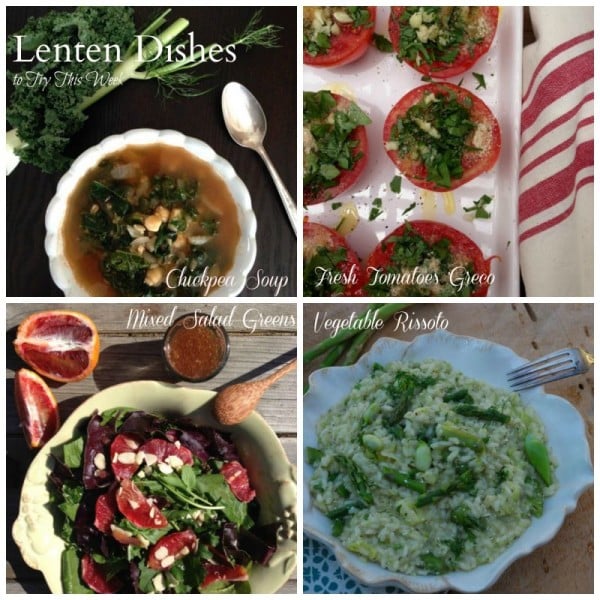
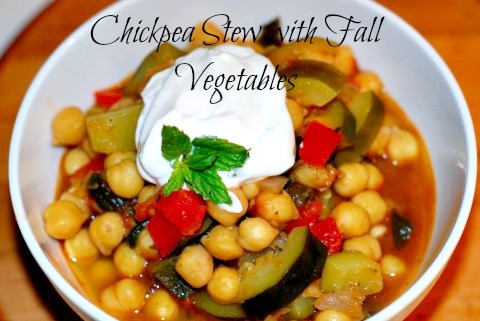
Chickpea Soup with Kale and Vegetable Broth: One of my favorite soups using fresh or canned vegetable stock with hearty chickpeas and kale.


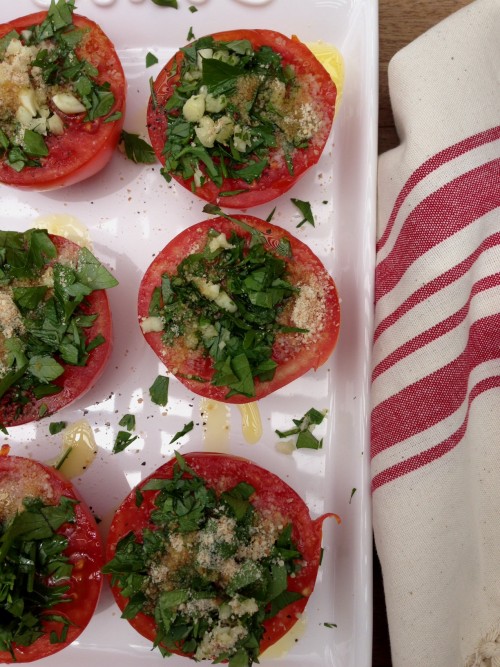
Fresh Tomato Greco

This fast and easy tomato recipe is a family favorite for years! Enjoy with a grilled cheese sandwich, soup, or salad.

Fresh Tomato Gratin

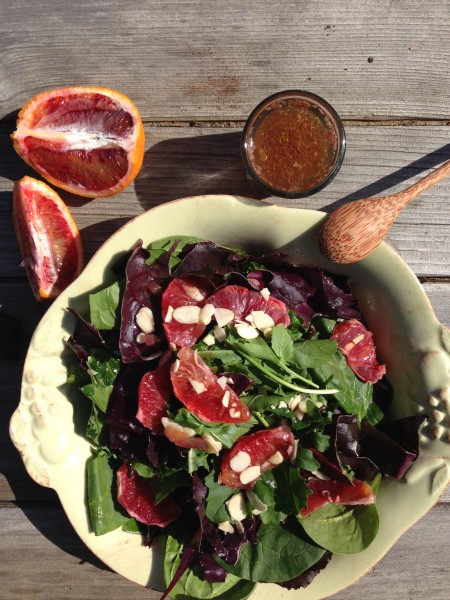
Mixed Greens Salad with Warm Pomegranate Dressing

This green salad has many greens for a quick pick me up and healthy and tasty alternative to lettuce. The dressing is poured on warm to soften the chopped the rough greens.

Mixed Green Salad with Warm Dressing

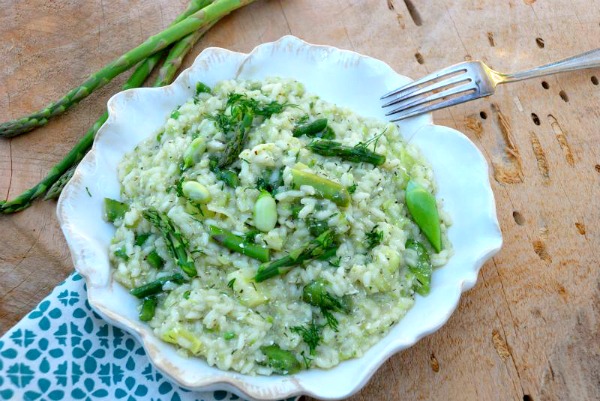
Warm Spring Vegetable Risotto

Lastly, try this warm vegetable risotto that you can personalize with your favorite choice of vegetables.

Spring Risotto with Aspargus


Enjoy this week’s meatless dishes for our Easter Lenten Week!

Kalo Paska!

{ 0 comments }
Greek Browned Butter Spaghetti Squash

by Mary Papoulias-Platis

Post image for Greek Browned Butter Spaghetti Squash

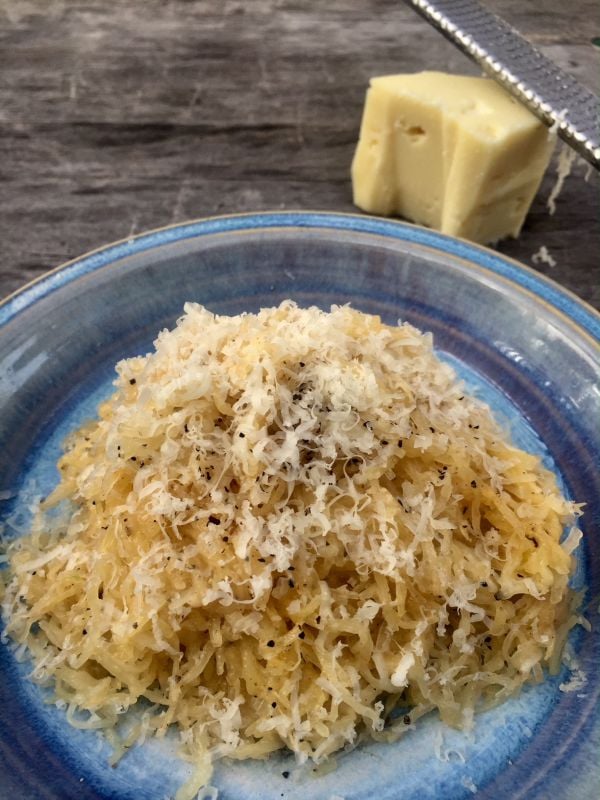
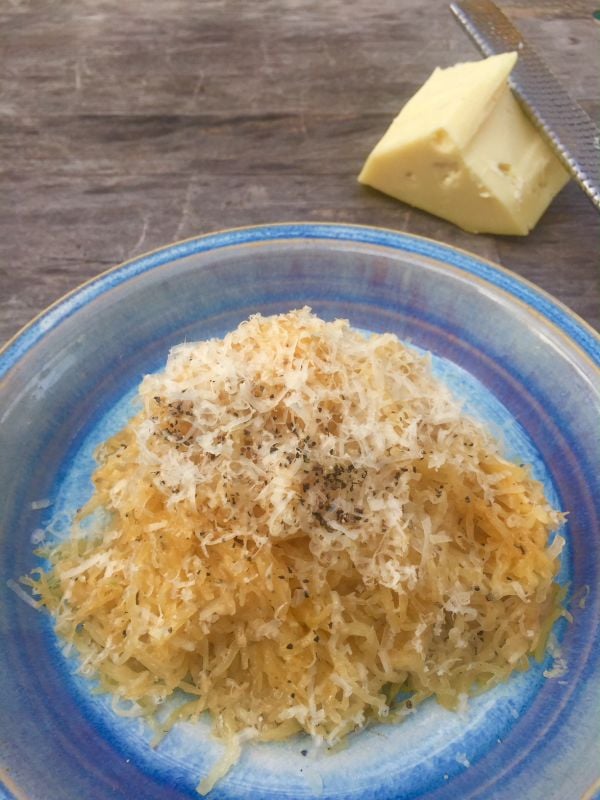
Trust me on this one! This may sound strange to you as a pasta lover, but if you need a break from all the carbs in your diet, this is a great substitute from regular pasta. This Greek Browned Butter method can be used for several different dishes. It can be made in minutes with just a little planning. Use this method on your vegetables, fish, meats, cakes, cookies and more.

I was inspired by my mother’s favorite recipe as a child. It arrived warm in a bowl with all the the Greek flavors that I remember.  My mother cooked with regular spaghetti, which was what she used. I followed her recipe for years for my family, but added small bites of carrots and zucchini. For a quick-night meal this was just the perfect dish. Using the spaghetti squash as a substitute I was able to add more nutrients to the dish, but hold on to the same method and add more of my favorite flavors.

Take a look at the Nutritional Information on the Spaghetti Squash

  • Almost every nutrient is found in this squash including vitamin A,C, B-6 and Potassium.
  • It contains only 10 grams of total carbohydrates per cup, with a total of 42 calories.
  • Also, very high in fiber which is important in all of our diets.

My Tip: Bake the squash the evening before and refrigerate and in minutes the next day you have a satisfying delightful main dish.

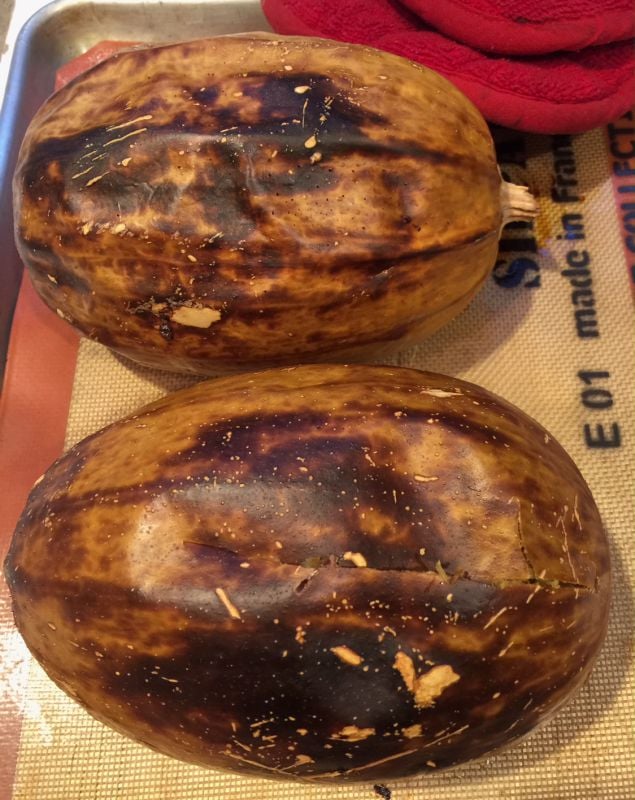
Pierce the squash a couple of time with a knife to release the steam while cooking. Let cool.

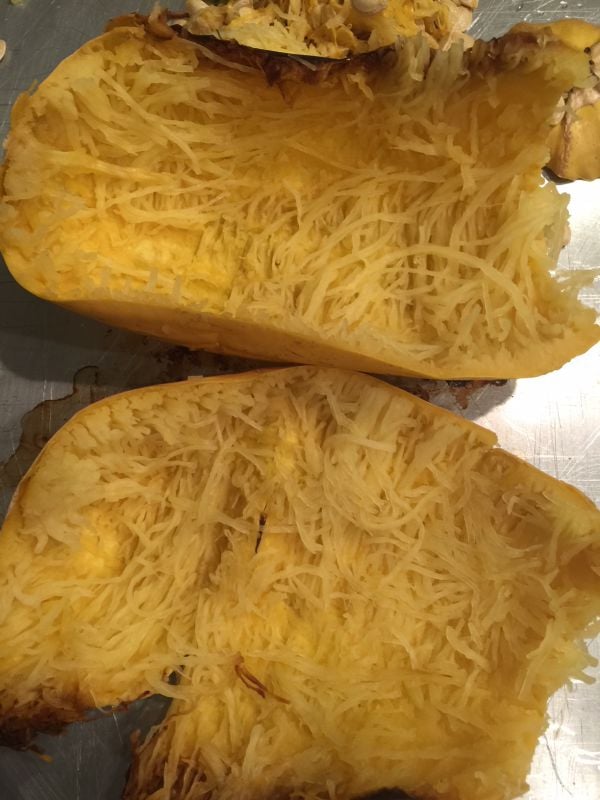
Squash is baked whole, which makes it easier to cut through. Then slice in half, and cool before cleaning.

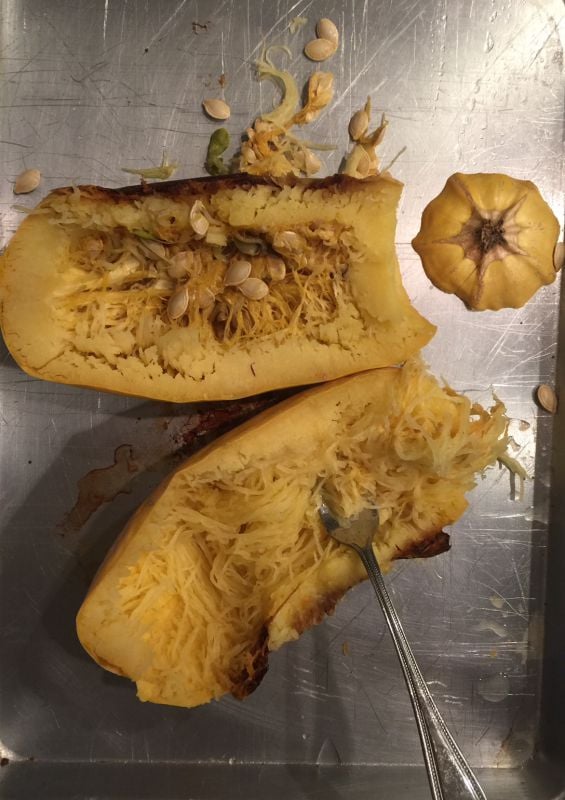
Clean all the seeds out and use a fork to scrape out the strings.

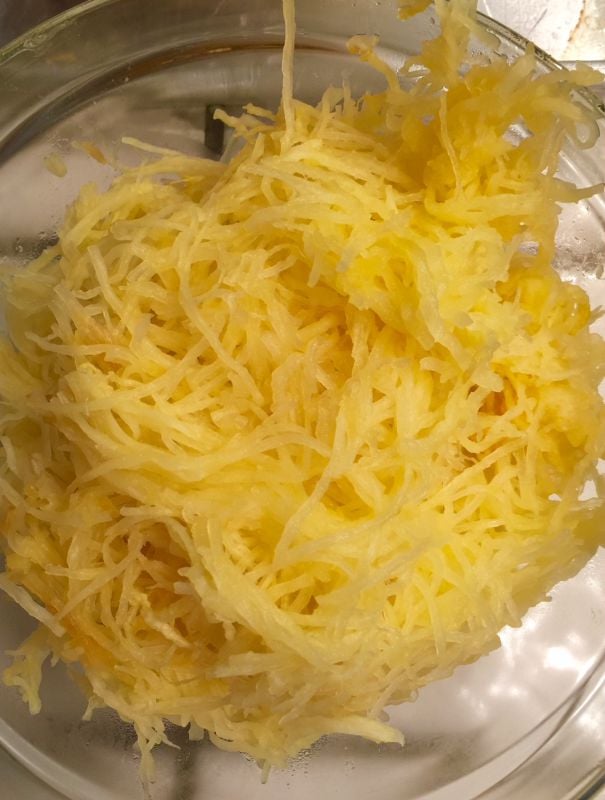
Once you have scraped all the flesh, rinse under cold water and dry.

Nutritional Information on the Spaghetti Squash:

  • Almost every nutrient is found in this squash including vitamin A,C, B-6 and Potassium.
  • It contains only 10 grams of total carbohydrates per cup, with a total of 42 calories.
  • Also, high in fiber.
  • You can find spaghetti squash at your local farmer’s market or at Melissa’s Produce.

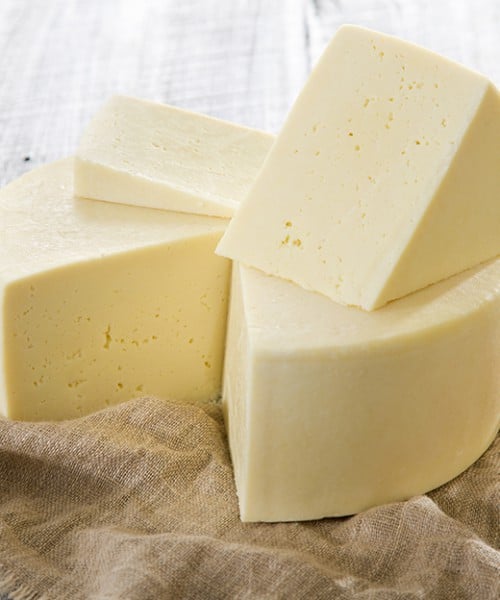
The Greek cheese I received from my sister-in law is called  Kefalograviera. The make it fresh in her hometown in Greece. It’s one of my first requests from her when she returns from Greece. It is a soft cheese with a salty bite and is made from goat or sheep’s milk.  You can substitute Parmesan. But it online at Kontos or at your local ethnic market.

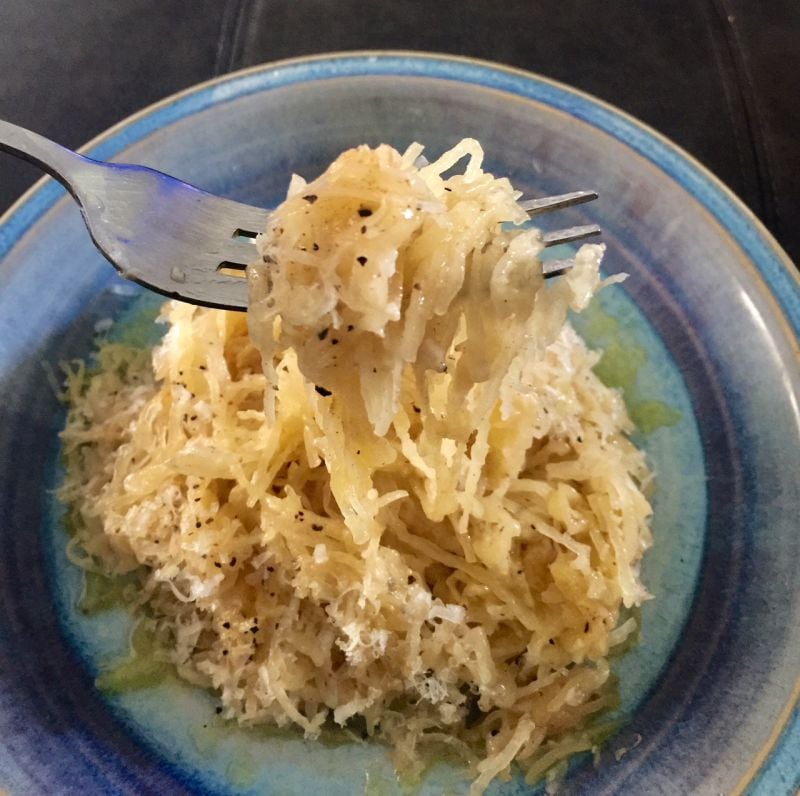
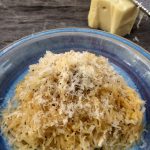
Greek Browned Butter Spaghetti Squash

Need a quick weekday meal? My family loved this recipe but using spaghetti. I made it for my kids when I was in a pinch for time but added pre-cooked carrots and broccoli. Today, for a more healthy version I have substituted spaghetti squash. Wow, is it tasty!

Course Main Course
Cuisine California Greek
Servings 6
Author Mary Papoulias-Platis

Ingredients

  • 1 spaghetti squash 2-3 pounds
  • 1 stick unsalted butter - 8 tablespoons
  • 2 garlic cloves, minced
  • 1/8 teaspoon ground cardamon
  • pinch salt and pepper
  • 1/4-1/2 cup grated Kefalograviera Greek cheese, or Parmesan
  • 2-3 teaspoons of extra virgin olive oil

Instructions

  1. Let's start with baking the squash whole in the oven at 375 degrees on a sheet pan for 45- one hour, depending on the size of your squash. Pierce the squash with a knife several times to help release the steam as it cooks.

  2. Remove when the squash can be easily pierced with a knife. Let cool before cutting open. 

  3. Slice the squash lengthwise. Using a fork, scrape out the seeds and discard. Using a fork scrape out the flesh, carefully so flesh is not used.

  4. Place in a medium bowl and separate into strands. In a sieve, rinse the squash with water. Dry the squash with paper towels or a clean towel. Set aside.

  5. In a large frying pan add the butter and cook over medium heat until browned. Add the garlic and ground cardamon stir until combined. Taste. Add the salt and pepper. 

  6. On low heat, add the squash and combine with the butter mixture. Continue cooking until heated up. Remove from the heat. Using a large platter, place the squash in the bowl and sprinkle with grated cheese and olive oil. Taste for additional salt and pepper. Serve warm.


I wanted to thank the authors Karen Page and Andrew Dornenburg, for their inspirational book, Kitchen Creativity.  Recently, we attended a book appearance at Melissa’s Produce, where they spoke about opening your mind for creating new ideas and methods in your kitchen. This is one book along with their other latest books that are actively on my bookshelf.

Other books from this dynamite team includes:

Culinary Artistry
The Flavor Bible
Vegetable Bible
What to Drink with What
Becoming A Chef

Now go be creative in the Kitchen,

Mary


{ 0 comments }