Feta Mac ‘N Cheese

by Mary Papoulias-Platis

Post image for Feta Mac ‘N Cheese

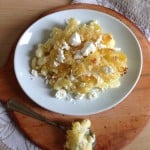
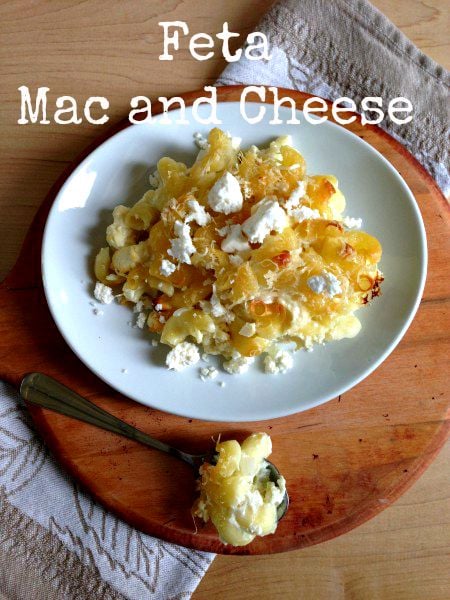
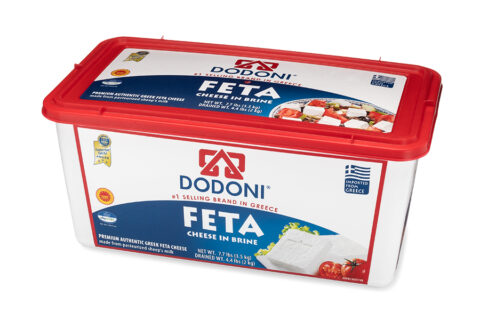
This may not be the norm, but Feta Mac ‘N Cheese is what Greek moms made for us growing up in our household. We never had cheddar as a cheese choice.  Besides, it’s Feta Friday and all of you Feta Fans out there, can eat anything with Feta, and I can guarantee you this is a tangy pasta mouthful you won’t forget. Try adding olives, red and green peppers, mushrooms, or fresh tomatoes for additional flavor. This was selected from my long list of comfort foods! You may also want to serve this with a big Greek Horiatiki salad. If you’re not familiar with Feta cheese, it’s a goat cheese found in all Greek dishes. It has a tangy and sour flavor, that enhances many of the vegetables in the Greek Diet. Make sure you buy Feta in  brine, for freshness. Do not by pre-crumbled, it’s too dry. This is my choice, in brine and in a reusable container. You can purchase this online, Dodoni Greek Feta.
Feta Mac 'N Cheese

This Feta and Pasta dish makes plenty for a large family or party. You can also squeeze in bits of vegetables for your kiddos.

Course Main Dish or Side
Cuisine California Greek
Keyword cheese, feta, mac'n cheese, pasta
Author Mary Papoulias-Platis

Ingredients

  • 1 pound pasta, elbow or penne
  • 1 pound feta cheese, crumbled
  • 6 eggs, separated
  • 1 quart milk
  • 1/2 cup minced onion
  • 1/2 cup grated Parmesan cheese or more!

Instructions

  1. Preheat the oven to 350 degrees.
  2. Butter a 10x14 -inch pan with butter.
  3. Cook the pasta according to the package direction and drain well.
  4. Crumble feta and set aside.
  5. Separate eggs and beat eggs whites until frothy with a fork or beater.
  6. Beat egg yolks until creamy.
  7. Fold the egg yolks into the egg whites.
  8. Add feta, milk, and onion into the mixture.
  9. Spread the pasta into the buttered dish.
  10. Pour the milk mixture over the pasta.
  11. Sprinkle with Parmesan cheese over the top.
  12. Bake for 1 hour or until golden and bubbly.

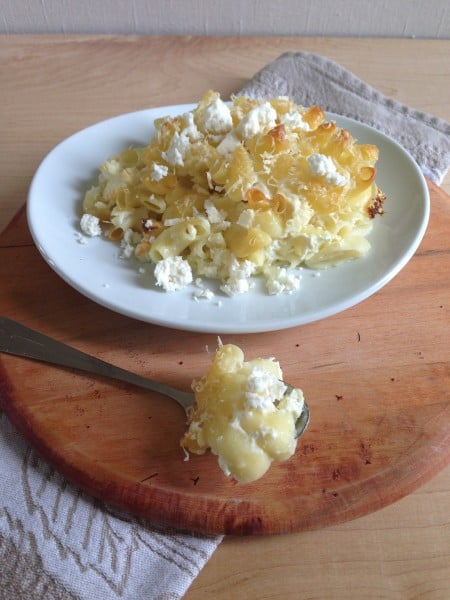
After experimenting with the two pastas, one elbow and one penny pasta (the Greek choice), I preferred the elbow pasta ( on left side) for a more enjoyable bite.

You may also enjoy my many feta recipes!
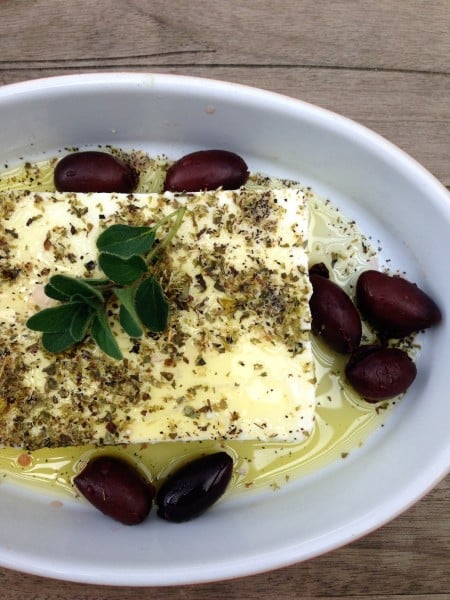
Roasted Feta with Olives

Greek Roasted Feta with Kalamata Olives
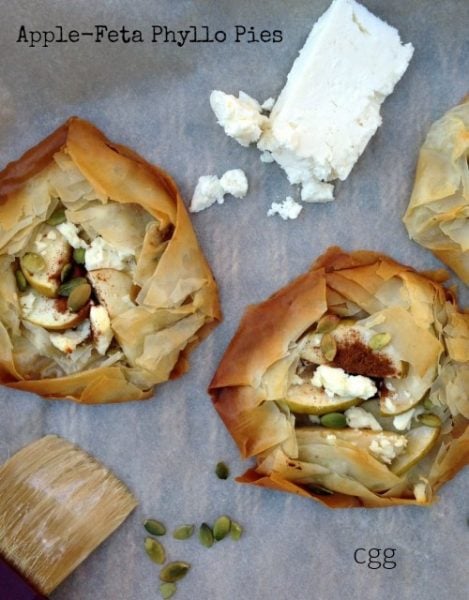
Feta Phyllo Pies

Apple Feta Phyllo Pies

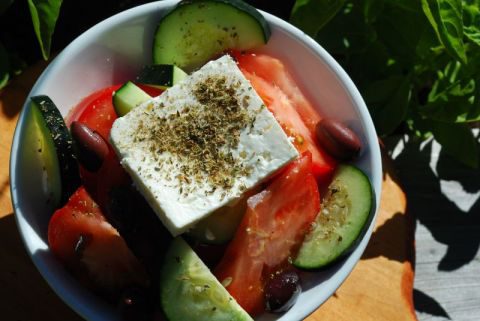
Feta Greek Salad

Fresh Greek Feta Salad

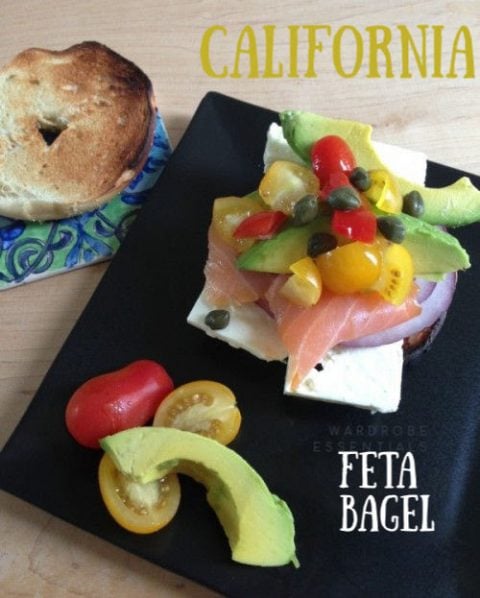
Feta Bagel

California Feta Bagel with Avocado

Feta is the best,

Mary 


{ 0 comments }
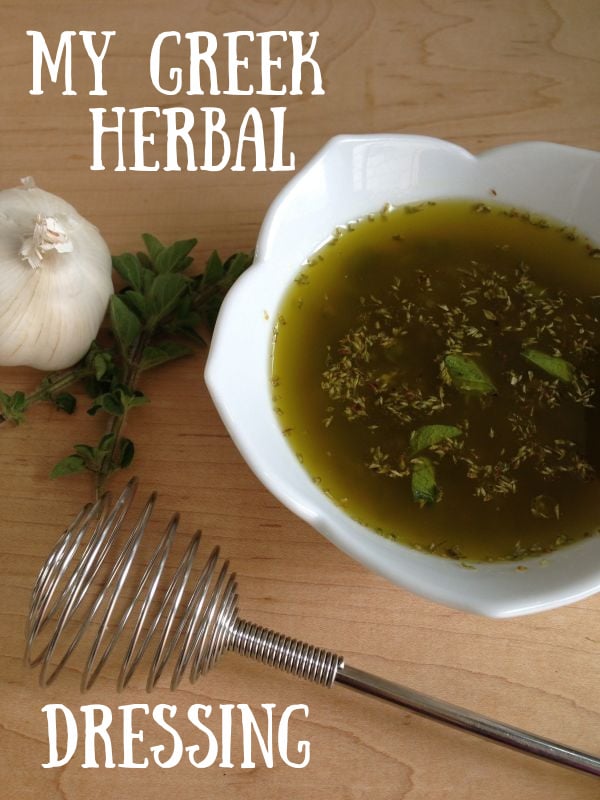
Post image for My Greek Herbal Dressing ” Ladolemono”

One of my most important items in the kitchen happens to be something as simple as My Greek Herbal Dressing.  I couldn’t live without it. It has several uses in the Greek kitchen. Splash it on your fish as a finishing sauce, use it on your greens for extra flavor or  drizzle it on your roasted vegetables for a lemony glaze. I usually place it in a mason jar and store it in my refrigerate. And for last minute touches it’s ready to go.

Dressing Recipe

Just remember it’s a 1 to 2 ratio for the base.  To 1 part lemon juice or (red wine vinegar) to 2 parts extra-virgin olive oil.

Add crushed garlic cloves

Add dried oregano and fresh oregano

Add salt and pepper

Adjust all the spices according to your ratio.

You may also like these dishes I use this dressing on.

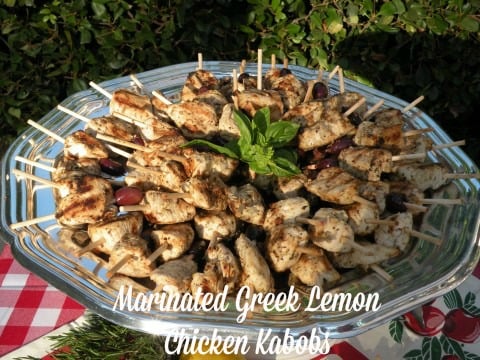
Post image for Marinated Greek Lemon Chicken Ka-Bobs


Marinated Chicken Ka-bobs

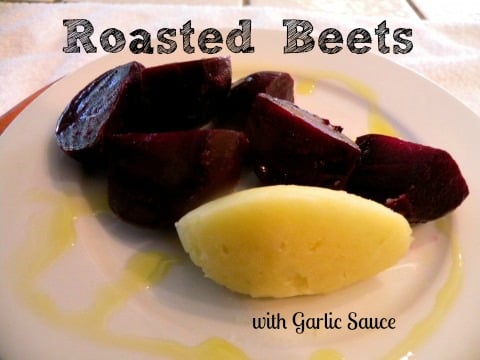
Roasted Beets

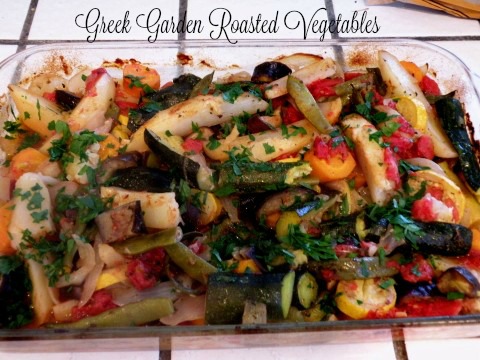
Roasted Garden Vegetables


Enjoy the many dishes you can use this dressing on,

Mary 


{ 1 comment }

How the Greek Easter is Celebrated

by Mary Papoulias-Platis

easter at church

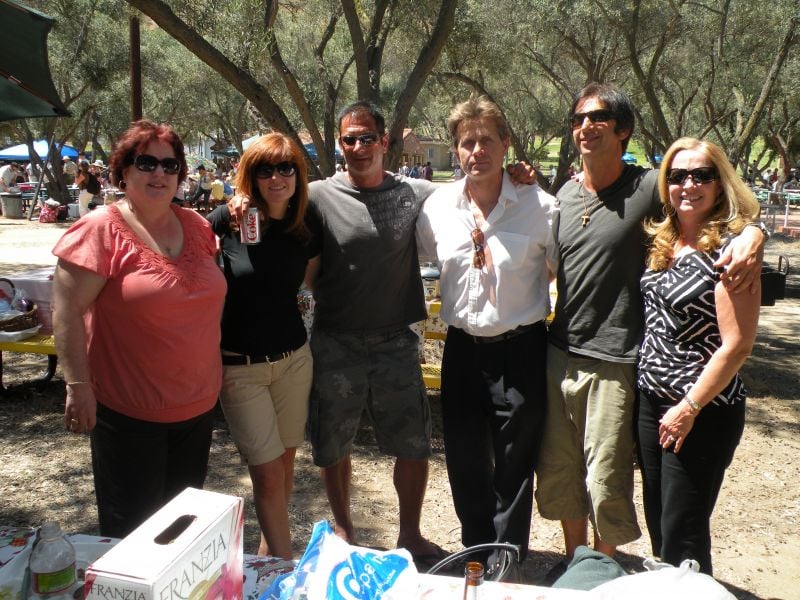
 As a child growing up in the Greek Orthodox Church, I was fortunate to have two Spring breaks (they were called Easter Breaks when I was a young), which was something I looked forward to every year. My school friends always questioned my absence from school, but I would kindly say it was for religious reasons. The difference in the dates for this holiday can be slightly complicated, but I will attempt explaining it in a simpler version. In our Greek household, Easter baskets were not a tradition in our family, as they are today. Pretty dresses and new white shoes were also non existent – we were given practical play clothes for the local Greek picnic, which we attended with all our extended families every year at Flynn Springs in San Diego. We continue our Easter Sunday celebrations today (these are my cousins) having several choices of churches and picnic locations as the Greek community has seen growth over the years.

DSCN0547

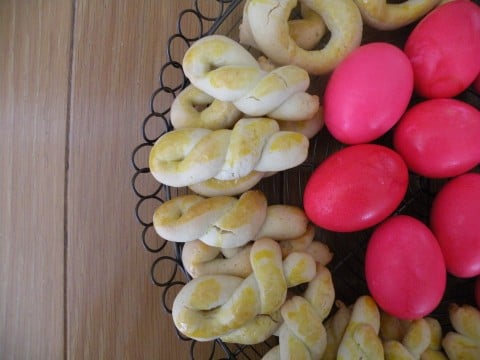
The picnic menu was the traditional  red-dyed eggs, beautifully braided Easter breads, and rosemary scented lamb and orzo. In the Greek Orthodox religion, the Resurrection is the most sacred day of the year. I attended church every night during holy week, and fasted for the month from any animal products. We ate a lot of peanut butter sandwiches and french fires for dinner.

Let me explain to you why this Greek religious holiday is so late this year. First of all we follow a different calendar called the Julian calender. While the Western Christians follow the New Calender we have today. What are the differences between the two?

  • The date is determined by a computation of the vernal equinox and the phase of the moon.
  • Easter Sunday should fall on the Sunday which follows the first moon and the vernal equinox.


  • The Jewish Passover must occur first on the first moon after the equinox, which begins on March 25th.


The Julian Calendar is 13 days behind the New Calendar which explains the Greek Easter Date.


  • It has been found that the Greek Orthodox Easter dates have been set for the next 100+ years or so.
  • The church determines these dates by using a formula of Nicaea and the study of Astronomy (following the moon).

A large gathering occurred in 1977 in Aleppo, Syria to determine if one common date can be established. Obviously, they didn’t agree because today we continue to celebrate the Greek Easter in May, once again. To read more about this meeting visit the site: World Council of Churches.

A more detailed article was written by Dr. Vrame the director of the Archdiocese Department of Religious Education.
This article can be found at  The Orthodox Observer, March 2013. To read more in detail see this article.

More recipes and stories can be found under Lenten and Greek Easter

Kalo Paska!

Mary 

{ 4 comments }

Living the Bragg Way…at Expo West 2013

by Mary Papoulias-Platis

Post image for Living the Bragg Way…at Expo West 2013

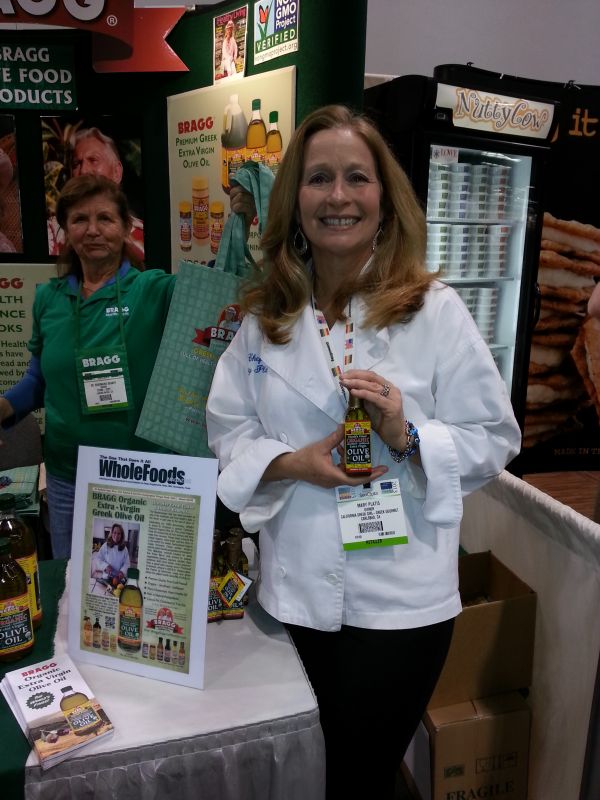
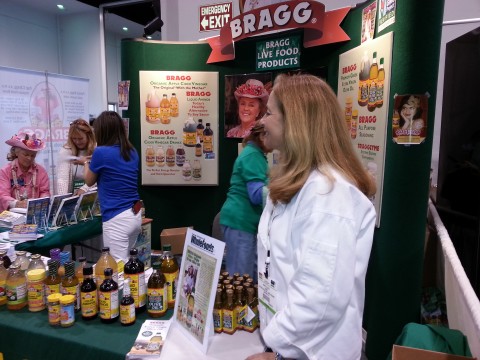
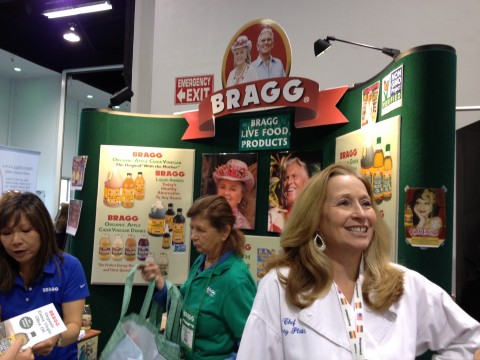
Just in case you would like to know what I did at the Expo-West show besides look for new products and meet new vendors.

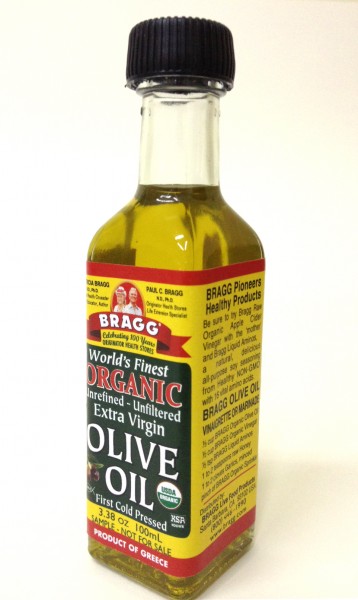
I also represented the new Bragg Extra-Virgin Olive Oil for two years now and feel it’s truly a wonderful olive oil to use for your daily use.

This year’s show was eventful and so busy!

We had mini glass samples to hand out to our customers that were delivered just in time for the show from Greece.

BraggOliveOilRecipesPromo

The booth had several ads that they developed to introduce the olive oil through various magazines such as Vegetarian Times and Whole Foods Magazine.

ChefMaryProtectingSamples

And Patricia Bragg  attended everyday as she does every year to do her long-awaited book signing!
She had the longest lines I have seen yet at the show!

bragg4

So I was surprised I didn’t lose my voice, as I passed out boxes and boxes of olive oil –
to all the Bragg fans who drop by each and every year at the show.

__________ 2

If you’re looking for a great olive oil that’s USDA Organic Extra-Virgin Olive Oil here it is.

Here are some key points:

  • First Cold Pressed
  • Unrefined
  • Unfiltered
  • Kosher Certified
  • Non-GMO
  • Meets I.O.O.C standards   

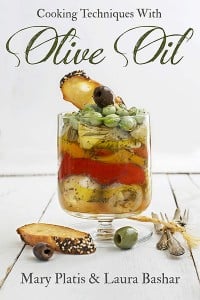
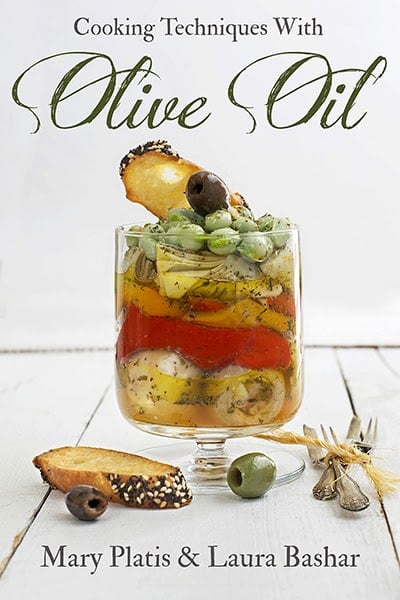
YOU MAY ALSO BE INTEReSTED IN PURCHASING MY OLIVE OIL COOKBOOK!

ORDER COOKBOOK HERE


Note:  I do support the Bragg brand of olive oil, but I was not paid to write this post.

{ 2 comments }

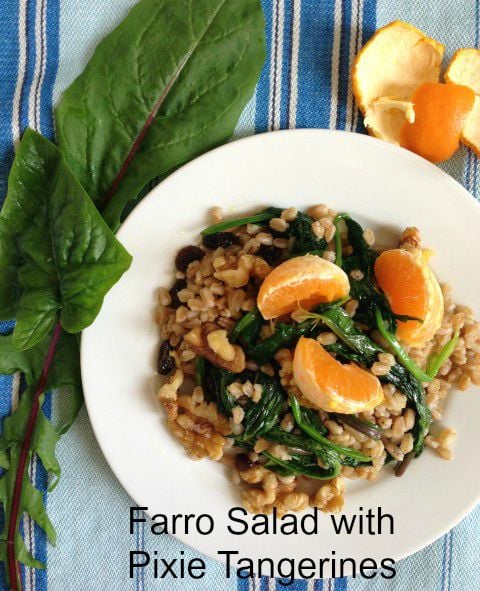
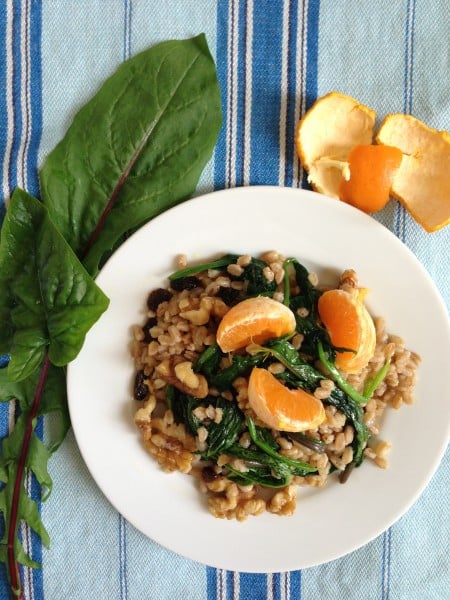
Post image for Farro Salad with Pixie Tangerines and Walnuts

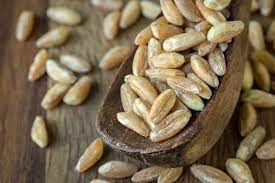
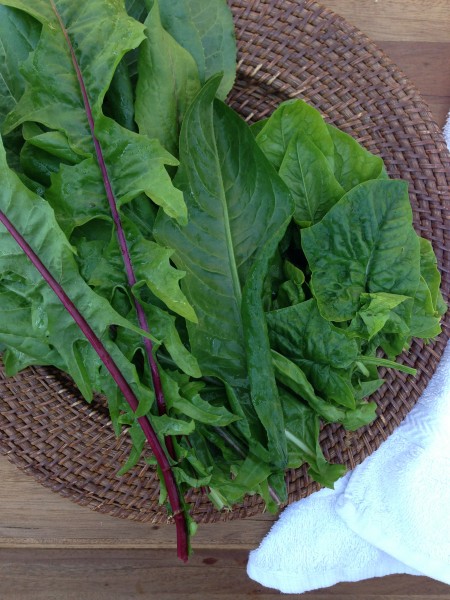
Farro is so versatile when it comes to a quick salad and side dish. For those of you who aren’t familiar with Farro, it’s an ancient grain from the wheat family. It has a dense chewy structure and a rich, nutty flavor. Used by chefs in pastas, breads, and for salads. Today, I picked spinach, dandelions greens and beet greens for this quick lunch. Choose any greens of your choice, add any nut for crunch and use golden or regular raisins for sweetness. Any citrus will work , I chose Pixie Tangerines for they’re in season right now. Precook the Farro the night before and refrigerate it until your ready to assemble. Once, you get this technique down you can also substitute quinoa, barley, bulgar, or wild rice.

  • Farro is a grain that can be found in most supermarkets today. I like to use an organic brand, from Bob’s Red Mill.
  • Farro is rich in minerals, antioxidants, phytonutrients, and fiber.
  • Its magnesium content is important in glucose and insulin secretion, which helps fight cardiovascular disease.
  • Research shows also that farro contains a special type of carbohydrate that stimulate the immune system, lowers cholesterol, and plays a role in blood clotting.
  • To find out more info go to: University Health News.


Fresh greens from my winter garden.

I love to grow greens during the winter season. This is makes it so convenient to pick fresh from the garden and make a quick dinner with.


Farro Salad with Pixie Tangerines and Walnuts

Farro brings a nutty flavor to this delicious salad. Use it for lunch or dinner. Add your choice of greens and citrus and you have a healthful meal!
Course Salad or Side Dish
Cuisine California Greek
Keyword farro, salad, tangerines, walnuts
Servings 4
Author Mary Papoulias-Platis

Ingredients

  • 1 cup cooked farro
  • 1 teaspoon olive oil
  • 2 garlic cloves, minced
  • 2-3 cups of a mixture of greens, spinach, dandelions, mustard greens
  • 2-3 teaspoons of amino acids, I prefer Bragg
  • 1/4 teaspoon salt
  • pinch of pepper

Topping

  • 1/2 cup raisins
  • Juice of two 2 tangerines
  • 1/4 teaspoon cinnamon
  • 1 cup toasted walnuts

Dressing

  • Juice of two tangerines
  • 2-3 tablespoons olive oil

Instructions

  1. Prepare farro as directed on back of package.
  2. Or boil 2 cups of water, add cooked farro and cook for 15-20 minutes.
  3. Drain and set aside.
  4. Place 1/2 cup raisins in a small bowl and add juice of two tangerines and cinnamon.

  5. Allow the raisins to marinate while preparing the dish.
  6. Pace 1 teaspoon of olive oil in a large saute pan and add garlic.
  7. Saute briefly until soft and add greens.
  8. Add amino acids, salt, pepper until greens become wilted.
  9. Add the farro and saute until warm.
  10. Remove from the stove and place in a large bowl.
  11. Add soaked raisins with marinade and walnuts.
  12. Sprinkle with 2-3 tablespoons of olive oil and the juice of two tangerines.
  13. Adjust taste with seasonings.


You may also enjoy my other nutritional recipes:

Stuffed Eggplant with Three Grains Papoutsakia

Quinoa with Wild Rice and Cherries

Tabbouleh  Bulgur Salad with Greens, Mushrooms and Mandarin Oranges


Stay Healthy and Eat Grains,

Mary 


{ 0 comments }
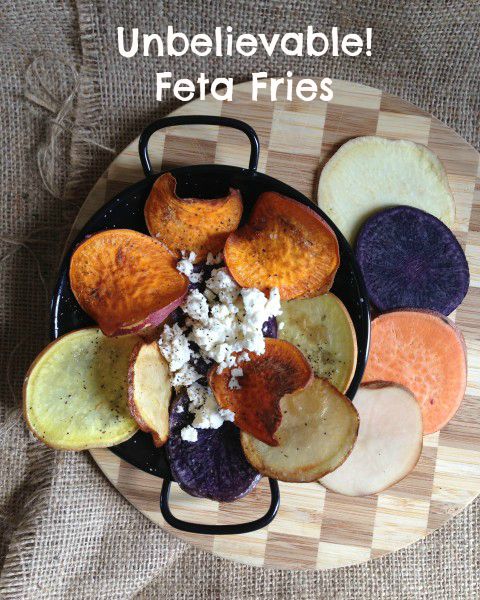
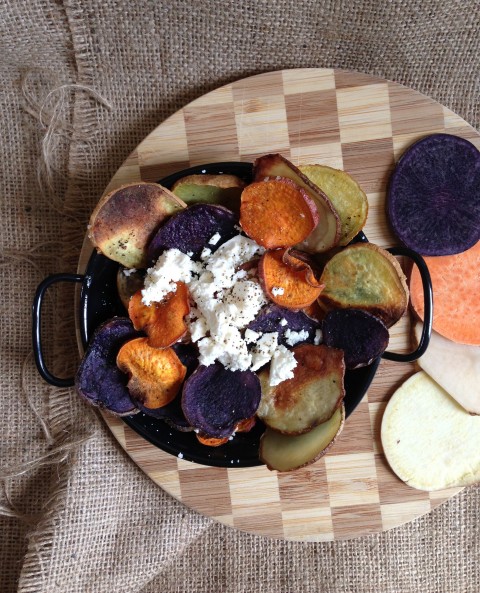
Unbelievable Feta Fries!

by Mary Papoulias-Platis

Post image for Unbelievable Feta Fries!

Here is my version of Greek Feta Fries! I wanted to stay on the healthful side for this dish, so I added a variety of potatoes you may want to consider. You can use all four varieties or just one – that’s your choice. So I headed to the store and bought russets, sweet potatoes, purple potatoes and yams. Oops, a yam is a tuber.

Directions:

I washed and dried them, leaving the peel on. I sliced them 1/8″ thick. The thinner the crispier.

I used a mandolin, a slicing machine. You can cut them yourself using a sharp knife.

I dried each slice and fried these in hot oil – you can use canola or vegetable.

Add salt and pepper to them afterwards, as they drain on paper towels.

Add as much as you like of the crumbled feta.

A Quit Note: Danger! Keep the purple potatoes away from the others – separate them on the cooking sheet and fry them last.

A Healthier Version

Try baking the potatoes in an 400 degree oven until crisp!

Place them on a baking sheet in a single layer, sprinkled with a little amount of extra-virgin olive oil, salt and pepper.

Remove and add the crumbled feta.

Feta fries with new postatoes.


Here are a few more recipes using potatoes!

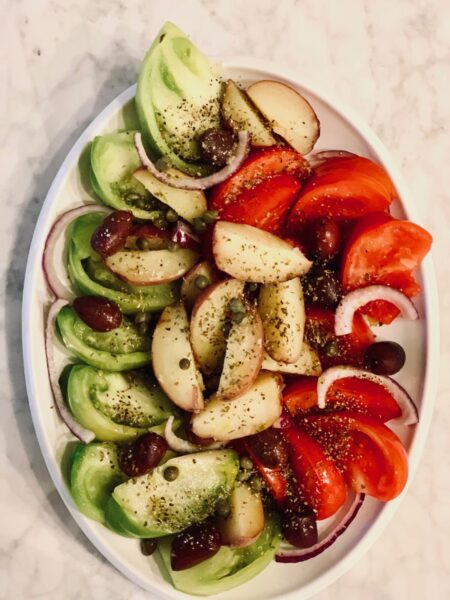
Heirloom Tomato Salad with Potatoes and Olives

Heirloom Tomato Potato Salad


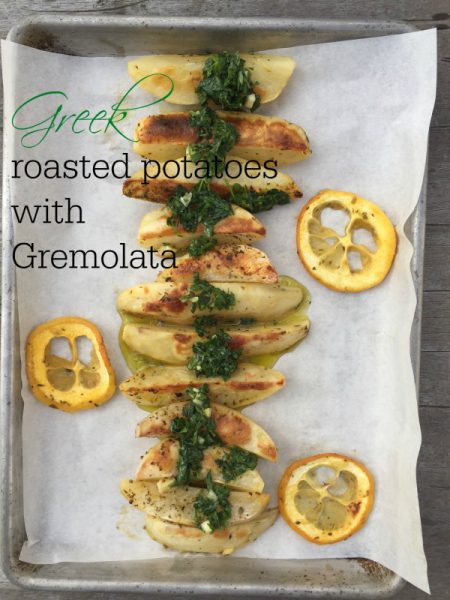
Greek Roasted Potatoes with Gremolata Sauce

Greek Roasted Potaoes


Simply enjoy this new potato and feta recipe!

Mary


{ 4 comments }

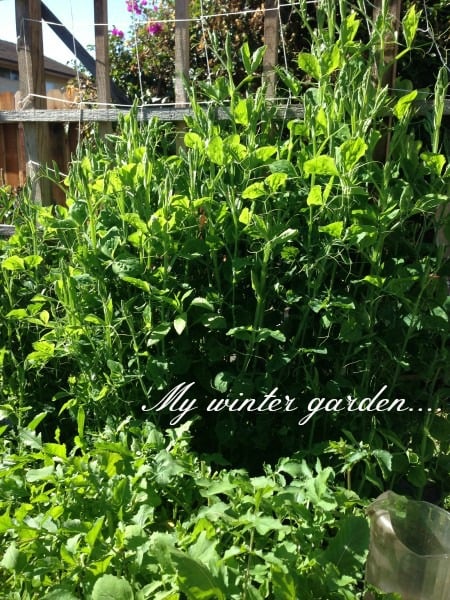
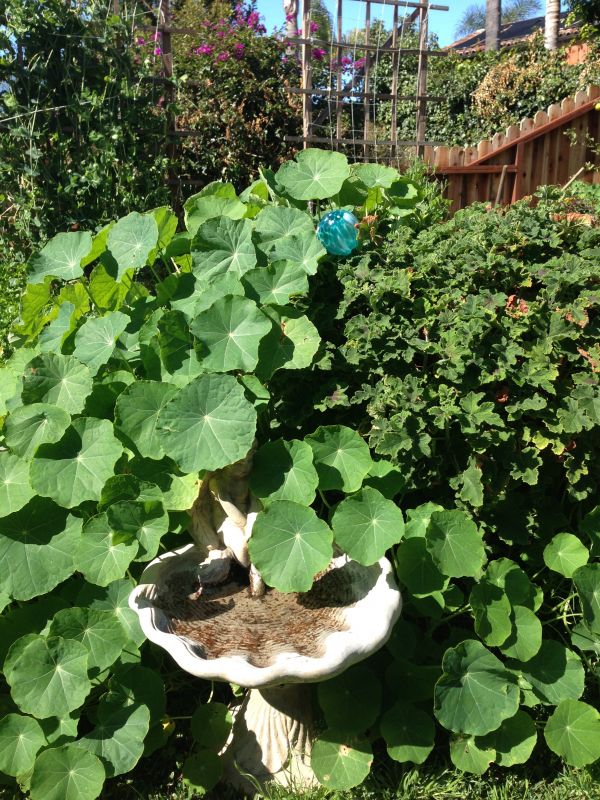
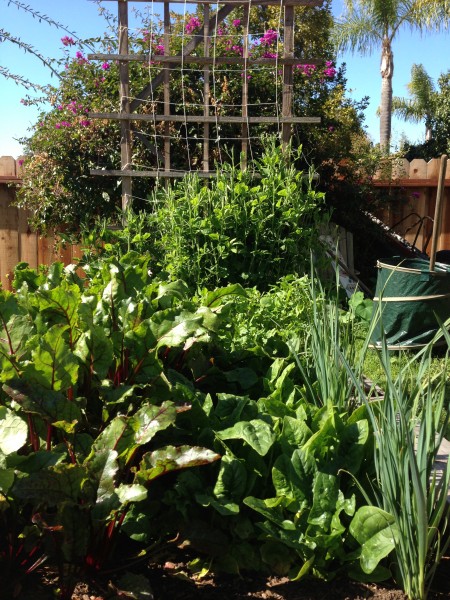
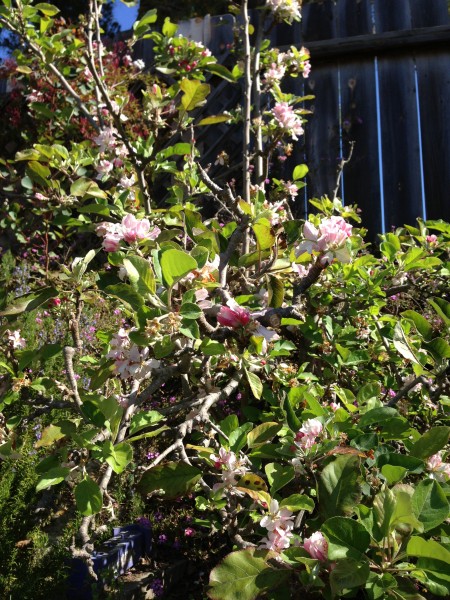
Post image for Mary, Mary, Quite Contrary…come see my garden

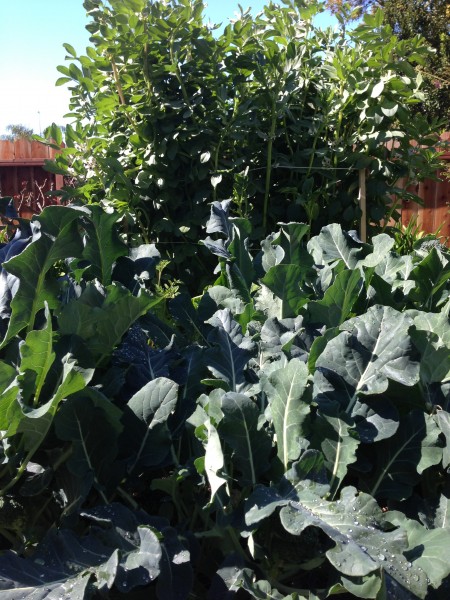
With this last rain we had in San Diego, my garden became a runaway jungle of greens! Look at the size of the nasturtiums leaves in the photo below.

winter4

winter1

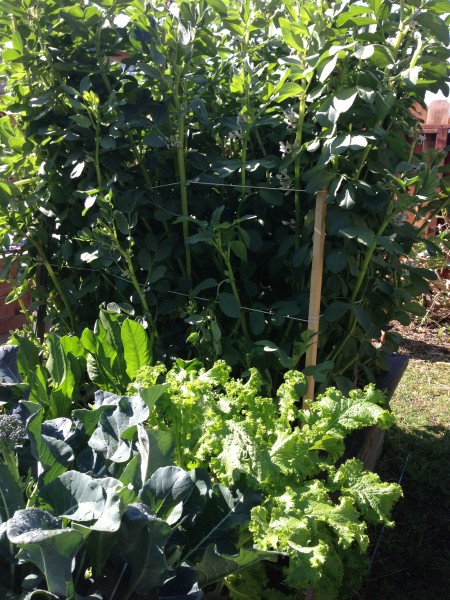
Take a look at this box of broccoli and fava beans –  out of control don’t you think?

winter10

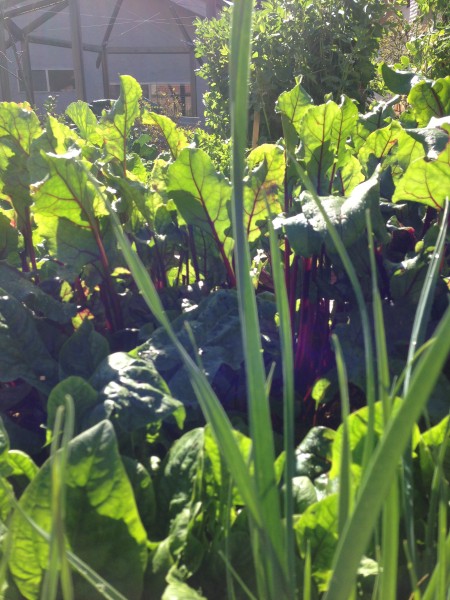
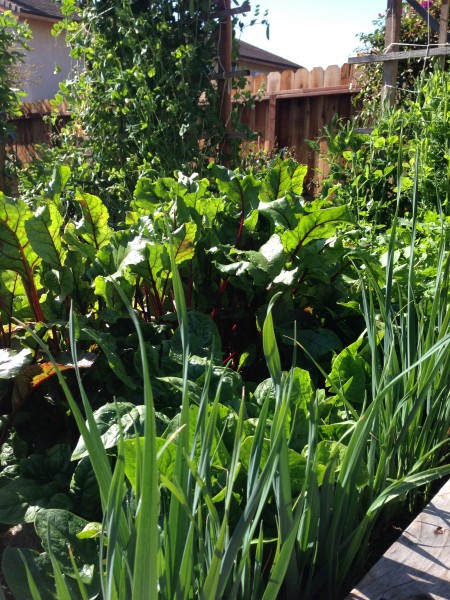
My beets are ready to pop!  The spinach is hidden but still going strong.

winter2

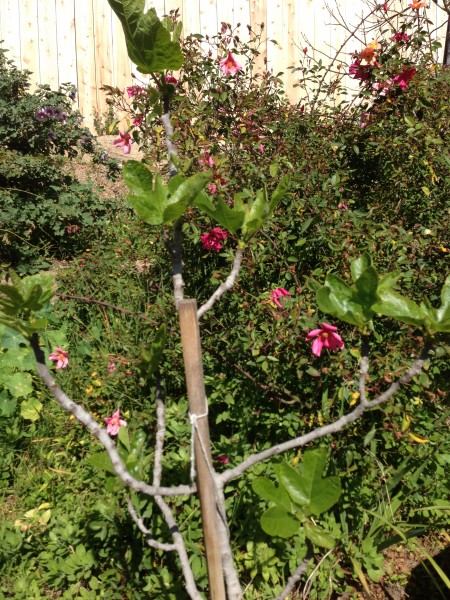
Ah yes, Spring has arrived… sweet Apple blossoms.

winter3

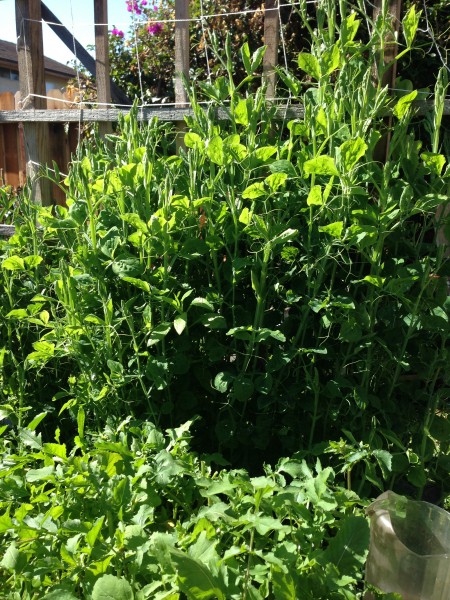
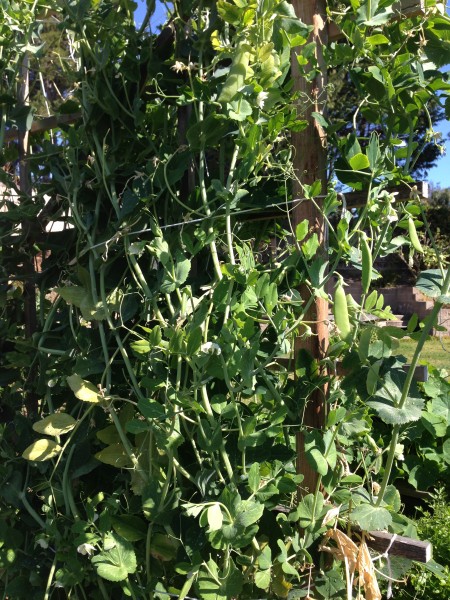
New for this year, sweet peas – I’ve always wanted them in my garden and here they are slowly rising reaching towards the sun.

winter12

Figs are coming… figs are coming!

winter8

Just a pretty picture of the red beet stems shining through.

winter7

Leeks are also new this year, wow I’m a happy Greek girl!

winter6

Another shot of mustard greens and dandelions trying to grow in this jungle of favas.

winter5

Ending soon are the sugar snap peas – thank-you, thank-you for the barrels of delicious peas you have showered us with.

Neighbors and friends thank-you too!

Seed Information for a Winter Garden

BURPEE:

 Super Snap Peas      (53512A)
Leeks Dawn Giant  (63388A)
Sweet Pea Dream Mix -Flowers 40972A
Detroit Dark Red Medium Top Beets (58875)

Botanical Interests :

Cool Season Spinach (Lavewa)
Mustard Greens – Southern Giant Curled
Arugula -Rocket Salad
Red Winter Kale

Park Seed    
Onions Granex

{ 0 comments }
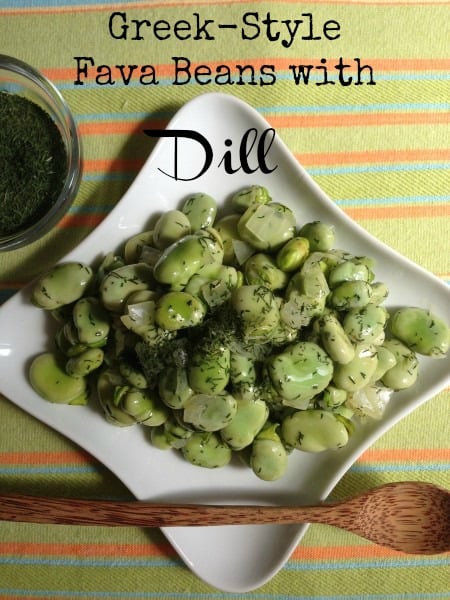
Greek Style Fava Beans with Dill

by Mary Papoulias-Platis

Post image for Greek Style Fava Beans with Dill

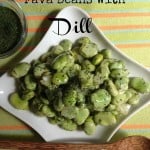
Fresh Fava beans, also called “broad beans” are in season now and can be found in their pods, at your local farmer’s market. I planted several rows of  favas this year. They are just at the beginning stage of producing and too young to pick – maybe another week or so.  In the meantime, Melissa’s had them available sent me fresh pods this week to use in my recipes. I remember my mother making a delicious simple stew with them with a few pantry items. Today, I thought I would start out with a very simple recipe so that you can shop for some at the market and try them out for yourself. Plan ahead for shelling and blanching the beans before cooking. You can use frozen fava beans, you may have to shell them if they are large in size. Just briefly steam them before adding the dressing. Here are a few tips on these beans: Favas are a tough bean and need to be blanched to remove the outer skin. When shopping for fresh favas look for young green pods that aren’t bulging which indicates age. In cookbooks they may be listed under broad beans, or horse bean. They can be substituted for recipes calling for large lima beans in soups, casseroles, and stews.

Fava Beans from my garden.

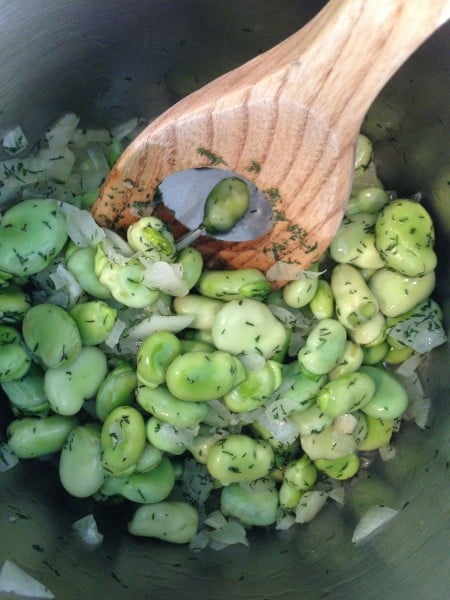
Shell and saute the beans if fresh from the pods.

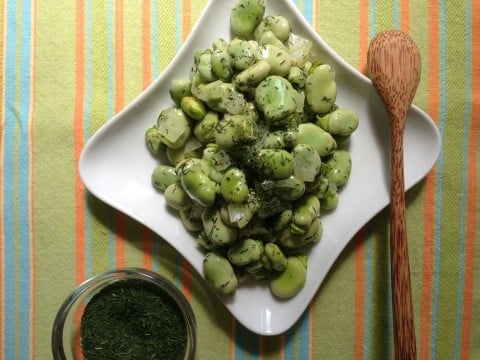
Toss gently with the and serve warm.


Greek-Style Fava Beans with Dill

Try this simple method of cooking fava beans and you'll be pleasantly surprised at how delicious they can actually taste with a touch of fresh dill.
Course Side dish or Main
Cuisine California Greek
Keyword dill, evoo, fava beans
Servings 6
Author Mary Papoulias-Platis

Ingredients

  • 2 pounds fresh fava beans
  • 1/4 cup extra-virgin olive oil
  • 1 onion, finely chopped
  • 1 garlic clove. crushed
  • 2 tablespoons chopped fresh dill
  • 1/4 teaspoon salt
  • pinch of pepper

Instructions

Preparation of the Favas

  1. Bring a medium pot of water to a boil over high heat.
  2. Shell the fava beans, discarding the pods.
  3. As the water boils drop in the beans for 2 minutes until outer skin loosens.
  4. Drain and set aside until cool to touch.
  5. Pop the fava beans out of their skin and place them in a bowl.

Instruction

  1. In a saucepan heat the oil and saute the onion and garlic until soft.
  2. Add the fava beans and cook 2-3 minutes.
  3. Add enough water to just cover beans.
  4. Stir in dill, salt and pepper.
  5. Cook, covered, 10 minutes or until beans are tender.
  6. Remove the lid and continue cooking until all the water has been absorbed.

Recipe Notes

Recipe from Chef Mary Papoulias-Platis at Ethos Culinary.  
Website: ethosculinary.com  
Contact: ethosculinary@gmail.com   
California Greek Girl Blog: www.californiagreekgirl.com


You  may enjoy my other fava creations:

Lemon Pasta with Fava Beans and Greens

How-To Cook and Roast Fava Beans

Fava Beans and Eggs for Breakfast

Enjoy the season,

Mary 

{ 4 comments }
Saffron Risotto with Kasseri

by Mary Papoulias-Platis

Post image for Saffron Risotto with Kasseri

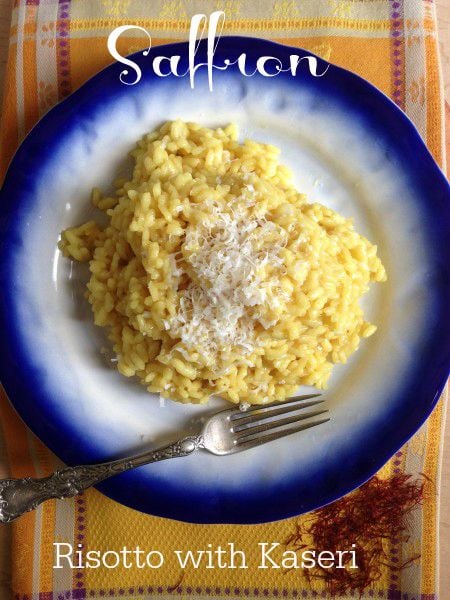
Not to long ago at one of our monthly group meetings, food blogger Laura Bashar handed out packets of beautiful saffron. Of course the most common dish I would know is paella, but I have chosen risotto – only because I just love making a big pot of steaming hot Arborio rice. Planning ahead and making stocks on the weekends to freeze for quick weekday meals, helps with time spent in the kitchen. But of course, store-bought stocks work just fine.  You can turn quickly to my fresh vegetable stock recipe and whip up a fresh batch by just using what you have on hand; carrots, celery, onion, and parsley.  I chose to add Kasseri because I just love it’s saltiness, but traditionally it’s made with Parmesan. Risotto is what I turn to for weeknight meals enjoyed with a fresh green salad!

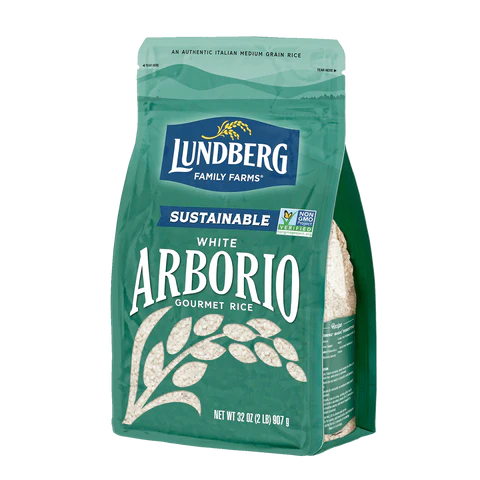
Arborio rice can be purchased online at Lungberg Farms.

Saffron Risotto

Try adding saffron to this risotto for a savory floral taste for your family table. I added Greek Kasseri cheese, but traditionally Parmesan is used.
Course Main Dish or Side
Cuisine California Greek
Keyword arborio, dinner, risotto, saffron
Servings 8
Author Mary Papoulias-Platis

Ingredients

  • 2 1/2 cups stock, vegetable or chicken
  • 1/4 teaspoon saffron threads
  • 2 teaspoons olive oil
  • 1/2 cup diced onion
  • 1 1/4 cup Arborio rice
  • 1 cup white wine
  • 1 tablespoon up to 1/4 cup grated Greek Kasseri or Parmesan Cheese

Instructions

  1. Bring the stock to a simmer in a medium saucepan. Add the saffron and steep until the stock takes on a deep color.
  2. Strain the stock and keep warm.
  3. Heat the oil in a medium stockpot. Saute the onion until soft.
  4. Add the rice to the onion and saute until the rice is coated with the oil.
  5. Stirring over medium heat, add the stock in three batches, making sure the liquid has absorbed after each addition.

  6. Add the wine with the final addition of stock.
  7. When the rice is ready, the rice should be creamy and firm to the bite.
  8. Remove the rice from the heat and stir in the Kasseri or Parmesan cheese.
  9. Serve immediately.

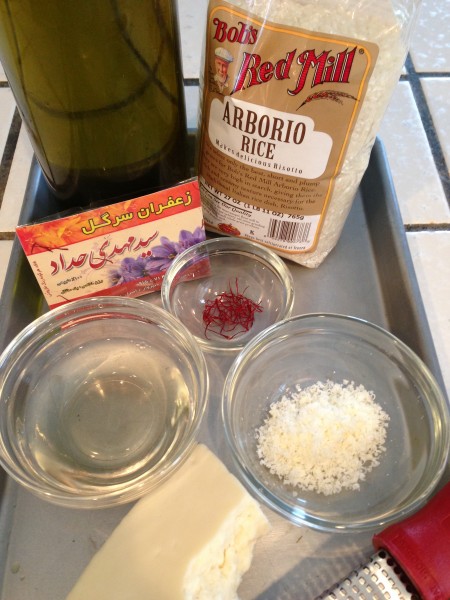
When preparing for risotto have all your ingredients ready beforehand – once you get cooking you won’t have time to stop and measure or grate.

Mise en Place for Saffron Risotto

Try and use a heavy bottom pot so you don’t burn the risotto, or lower the heat and watch it carefully!

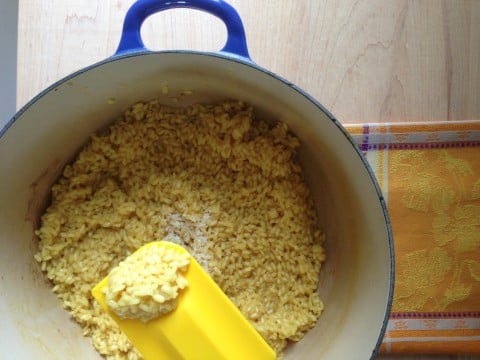
Cooking risotto

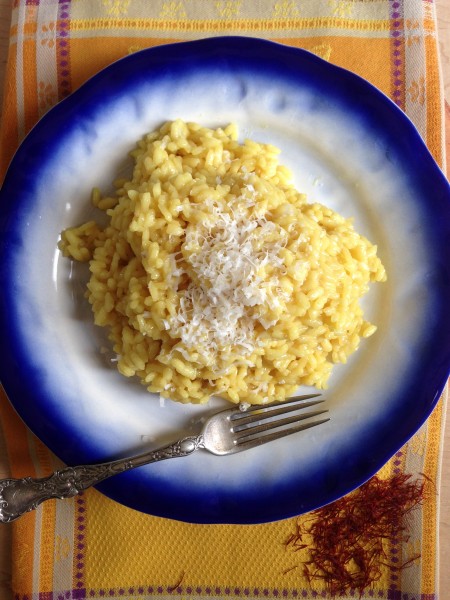
To finish cooking the risotto, place the rice in a saucepan, add the final addition of stock and wine, and stir in the Parmesan or Kasseri cheese. Serve immediately!

Saffron risotto


Head over to my blog and check out my many risotto recipes:

Avocado Risotto with Lime and Olive Oil

Spring Garden Vegetable Risotto

Pumpkin and Pancetta Risotto with Parmesan


Many Happy Meals,

Mary 


{ 2 comments }