Clean Monday is a Greek traditional day off in the community, celebrating the beginning of Lent. Families take the day off work and enjoy being outside with your family. Often they bring along colorful kites to fly all day long. Throughout Greece , festivals are celebrating with music, food, and plays. This begins the first day of Lent which is called “Kathara Deftera”, Clean Monday. A special bread is served call Lagana with a Taramasalata Dip. More information can be found on my post “Kethara Deftera“.
Here are a few images of Clean Monday celebrated in Greece.
So go out and fly a kite with your family, and celebrate!
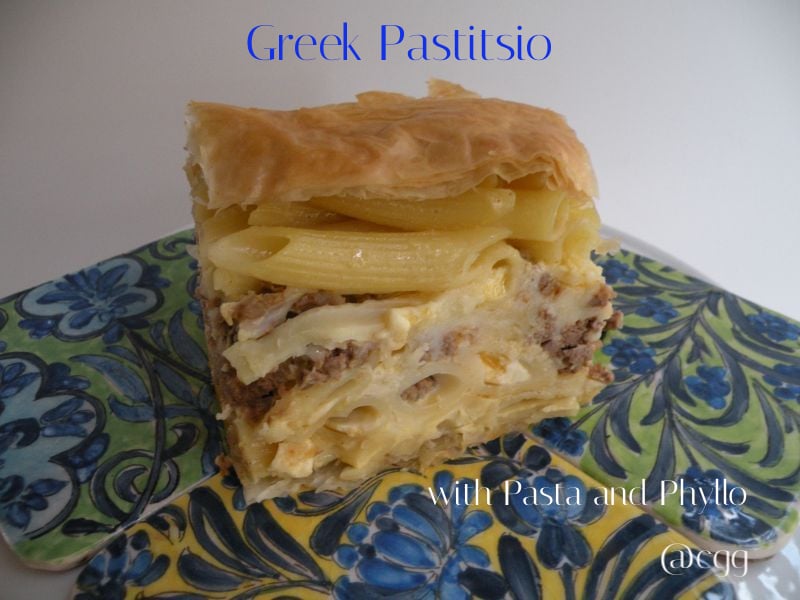
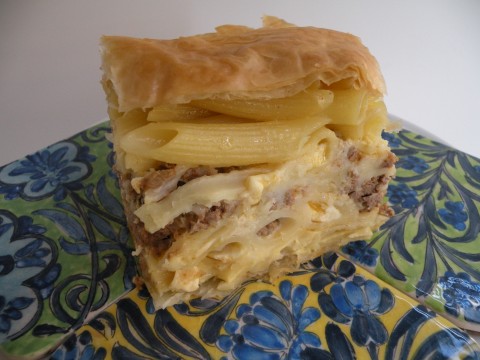
Pastitsio with Phyllo is a very common casserole found in the Greek cuisine, and there are just as many versions of this recipe as there are casseroles in the U.S. The meat can be substituted for ground lamb if you choose. Originally, this calls for a bechamel topping, but when I came across this version it’s been my favorite ever since. For me, it’s easier and fool-proof. I remember hearing my mother and aunts screaming from their kitchens when the bechamel sauce, their version of the white sauce separated or it somehow collapsed. Pastitsio with Phyllo may seem strange to you, and it did for me as well. In this recipe, once you prep all your ingredients ahead of time, assembling the dish is quick. A helpful tip is to make the meat mixture up to 2 days ahead, bring to room temperature before adding it to the casserole. But, as a caterer, it was such an easier, but still delicious recipe. This version of Pastitsio with Phyllo, is so satisfying and worth the work for a unique Greek dish to serve when company is coming! If you need help in working with phyllo dough, here is a phyllo tutorial for you, Working with Phyllo.
Greek lasagna layered with phyllo dough and penne pasta, wine meat sauce, and cheese, truly a traditional Greek dish.
Course
Main Dish
Cuisine
Greek
Keyword
Greek, pasta, pastitsio, phyllo
AuthorMary Papoulias-Platis
Ingredients
2poundsof lean ground beef
1cuponions, chopped
2tablespoonsof butter
2teaspoonssalt
1/4teaspoonpepper
1/2cupwine, sherry or marsala
2tablespoonstomato paste
1cupwater
1 1/2poundpenne pasta
1poundphyllo dough, defrosted
3cupscheese, pecorino or kefalotiri, grated
12eggs
1quartmilk
1/2poundof butter for brushing phyllo
1/2cupbutter for pasta
Instructions
Preheat oven to 350 degrees.
Saute onions in 2 tablespoons of butter until softened.
Add ground beef, salt and pepper, cook until browned.
Add wine, tomato paste, and water to beef. Reduce until no liquid is present.
Cook pasta until al dente (almost done).
Remove, drain, and add 1/2 cup melted butter.
In a 14x11 pan, brush bottom of the pan with butter, and layer 1/2 pound of the phyllo in pan, brushing each layer with butter.
Place half the pasta over the phyllo spreading evenly.
Sprinkle with half of the cheese, spreading evenly.
Add all the ground beef to the pan.
Add the remaining cheese.
Add the remaining pasta.
Beat the eggs until fluffy and light, add the milk.
Carefully pour the milk over the pasta, allowing it to soak in.
Layer the remaining pound of phyllo over the noodles.
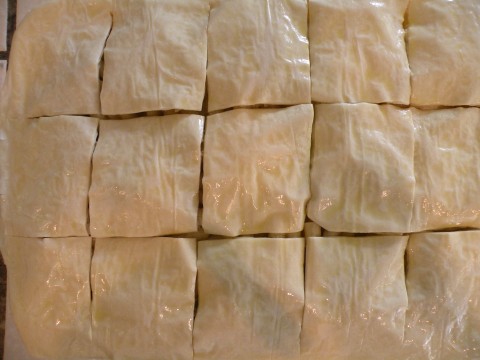
Trim the edges of the phyllo with a knife around the rim of the pan.
Cut into 3x5 pieces, or 4x6 pieces.
Place on a sheet pan to catch drippings while baking.
Bake in the oven for 45-60 minutes, until golden on top and firm.
Let sit for 15 minutes before serving.
Recipe Notes
Can be assembled ahead of time and placed in freezer. If frozen: Bake unthawed for 1 1/2 hours. Can be made a day ahead of time baked and re-heated. Pyrex makes a 14x11 inch glass pan. Recipe adapted from : The Complete Book of Greek Cooking- St. Paul's Greek Orthodox Cathedral
If you need help with assembling Pastitsio with Phyllo, please take a look at this post on Working with Phyllo.
This is a short summary of a trip I had taken in a series, called Greece As I Know It – Kythera. At the entrance of Kapsali village on the island of Kythera, standing above the port at an attitude of 100 m, you’ll see the small chapel of Agios Ioannis beaming against the sun with it’s white washed walls from the rocky hillside. The stone steps that lead to the church entrance is where the monk, Ioannikios, lived and restored the chapel in 1725, and this is where his inscription will greet you as you enter the church. Apparently,originally there were two churches on this site. The church Agios Ioannis was built inside the cave. Dripping water from the cave walls are thought by some to be the presence of sacred holy water.
It’s once said that St. John the Theologian who according to one tradition began his writings of the Apocalypse here before he moved on to Patmos. Above the arched entrance is a two-bedroom guest house, originally built 500 years ago, where 5-6 monks once lived. And further down the cliff , dedicated to John the Baptist, you will encounter a small ancient temple which was ruined due to barbarian invasions, since restored in the 18th century. A breathtaking site as we stood below taking this photo from the picturesque port of Kapsali.
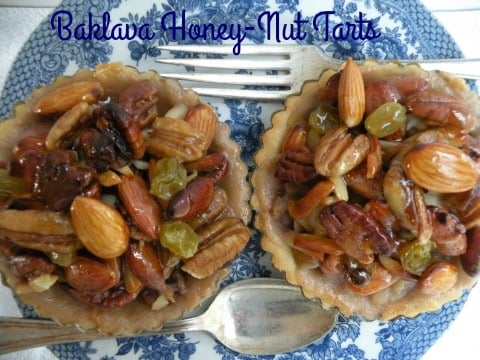
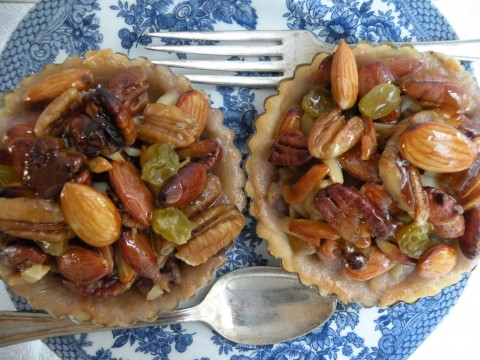
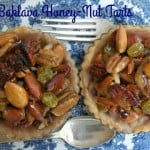
These Baklava Honey Nut Tarts are a new version of the traditional and famous Greek Baklava. Baklava, being the king of all Greek pastries, I do like to create different versions of this traditional dessert. So, here are my version of a Greek Tart glazed with assorted nuts in an individual form, perfect for that special date, Valentines Day, or one for you and one for your best friend. Enjoy these tarts warm with a scoop of heavenly vanilla ice cream. These Baklava Honey Nut Tarts can be made in a larger pan, just adjust the amount of filling and cooking time. Place you own spin on this recipe, by adding your own combination of nuts and raisins. Try adding dried cranberries, cherries, dates, mango, or blueberries. If you are short on time, you can purchase your tarts at Pillsbury. Or take a look in your freezer or refrigerated cases at your local supermarket.
Are you a fan of honey? Honey has so many health benefits;
Honey contain many nutrients, and is rich in health-promoting plant compounds, called polyphenols.
It’s rich in plant compounds and antioxidants, such as flavonoids and phenolic acids.
Honey has been linked to beneficial effects on heart health, including reduced blood pressure and blood fat levels.
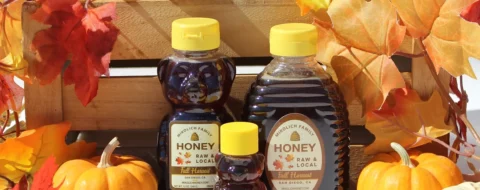
Try and buy your honey at your local farmer’s market. An organic honey will ensure you to have a higher level of these benefits. Here is a company I enjoy buying my honey from: Mikolich Honey.
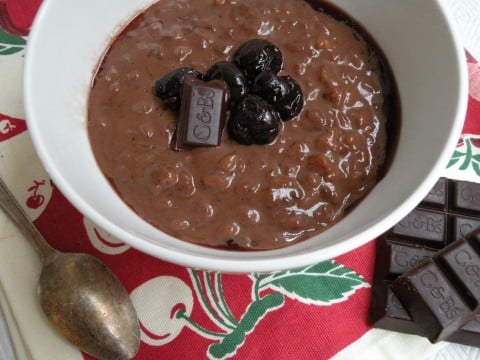
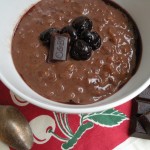
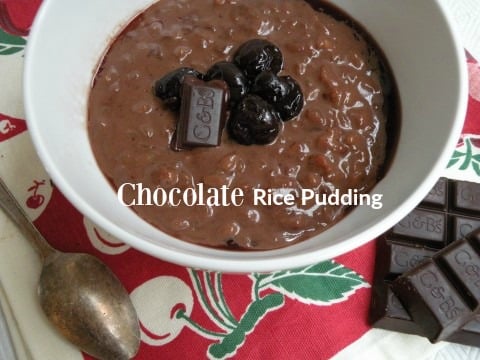
Chocolate is always the Valentine choice for most of us, so why not take something old as a traditional Chocolate Rice Pudding and make it into a decadent dessert for this special day. This can be made ahead of time and placed in the refrigerator until ready to serve. Place the exotic black cherry topping on your bowl of chocolate goodness right before serving. You could even take that chunk of chocolate and shave it over the cherries. Using a high grade chocolate bar guarantees that irresistible rich flavor. Cherries can be substituted for the topping with fresh raspberries, bananas, or your favorite fruit. Once you have finished assembling this recipe, give it a taste white it’s warm. Oh my! Then refrigerate and then decide which way you prefer it.
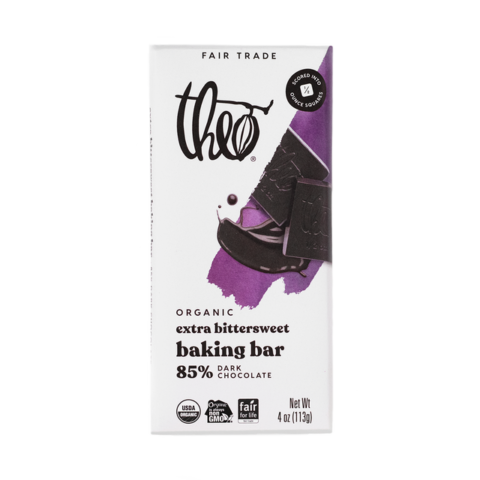
Theo Organic and Fair Trade bars are what I use. I had the opportunity to visit the facility, and I not only support their company, but they have the best quality and vairety of flavors.
There are many health benefits of chocolate:
Cocoa and dark chocolate have a wide variety of powerful antioxidants.
Quality dark chocolate is rich in fiber, iron, magnesium, copper, manganese, and a few other minerals.
Studies show that the flavanols from cocoa can improve blood flow to the skin and protect it from sun damage.
Chocolate Rice Pudding with Balsamic Cherry Topping
Course
Dessert
Cuisine
California Greek
Keyword
balsamic, cherry, chocolate, ricepudding
AuthorMary Papoulias-Platis
Ingredients
5cupswhole milk
2/3cupArborio rice
3/4cupsugar
1teaspoonvanilla
1cinnamon stick
3ozs.organic 72% baking chocolate, chopped
1 13oz.jar Black Cherries in syrup or frozen
1teaspoonbalsamic vinegar
Instructions
In a heavy pot combine milk, rice, sugar, vanilla, and cinnamon stick.
Bring to a boil, and reduce to a simmer, stirring frequently for 35-45 minutes.
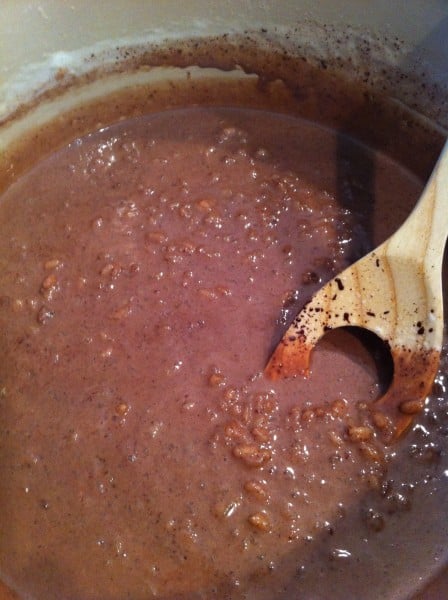
The rice should be tender and thickened.
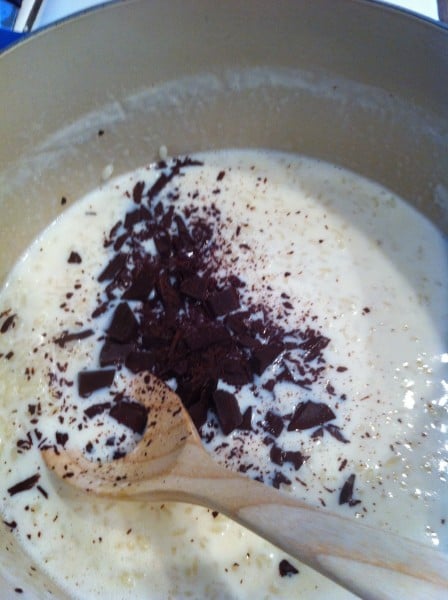
Remove from stove and add chopped chocolate and stir until combined.
Place in a container and cover with plastic pushing down on top so skin doesn't form. Refrigerate for 2-3 hours or overnight.
Sauce
Place the cherries in a small saucepan and add 1 teaspoon balsamic vinegar.
Simmer until reduced by 1/3. (If using frozen cherries and a little water.)
Top rice pudding with 4-5 cherries and serve.
Valentine’s Day
In addition to the United States, Valentine’s Day is celebrated in Canada, Mexico, the United Kingdom, France and Australia. In Great Britain, Valentine’s Day began to be popularly celebrated around the 17th century. By the middle of the 18th, it was common for friends and lovers of all social classes to exchange small tokens of affection or handwritten notes, and by 1900 printed cards began to replace written letters due to improvements in printing technology. Ready-made cards were an easy way for people to express their emotions in a time when direct expression of one’s feelings was discouraged. Cheaper postage rates also contributed to an increase in the popularity of sending Valentine’s Day greetings.
Americans probably began exchanging hand-made valentines in the early 1700s. In the 1840s, Esther A. Howland began selling the first mass-produced valentines in America. Howland, known as the “Mother of the Valentine,” made elaborate creations with real lace, ribbons and colorful pictures known as “scrap.” To learn more visit ; Valentine’s Day History.
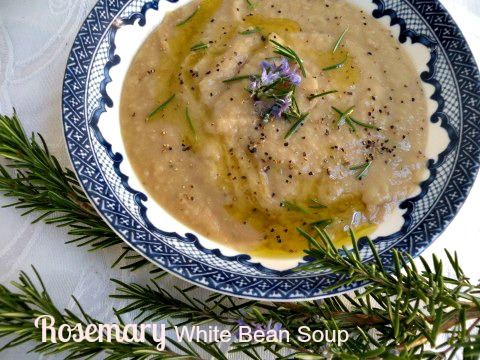
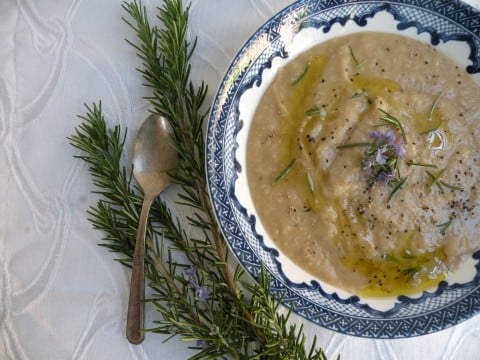
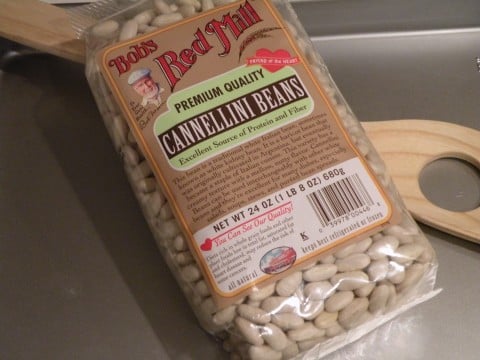
Rosemary White Bean soup contains Mediterranean flavors and a garden herb that my family begs me to prepare often in my home. It calls for an Italian bean called Cannellini, which also is an excellent source of protein and fiber. It is a haricot bean that was originally cultivated in Argentina, but eventually became a staple of the Italian cuisine. It has a creamy texture with a mellow, nutty flavor. I find these beans at stores carrying Bob’s Red Mill products. This dish has very few ingredients with a touch of fresh rosemary. Do not skip the rosemary, it offers a fragrant, and earthy tone to the soup.
These beans may be difficult for you to find, so check your natural food stores.
“Tuscan Blue” is my favorite rosemary in my garden.
Rosemary is a native Mediterranean plant that has been cultivated since 500.B.C., where it grows wild in the fields. Rosemary’s silver-green, needle shaped leaves are highly aromatic and their flavor hints of both lemon and pine. I prefer the fresh form of this plant, so that I may also use the beautiful baby blue flowers for garnishes in salads and soups. Tuscan Blue glows to become 3-4 feet, into a large billowy bush. It needs very little water, and blooms several times a year. It can be used as a hedge if pruned, or left alone as a background plant in a border.
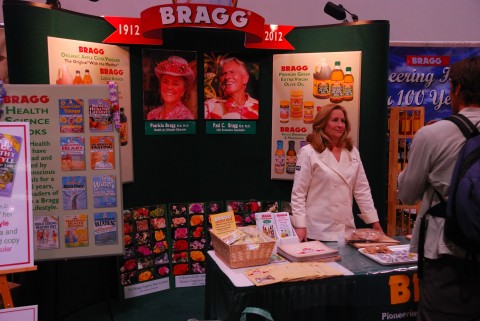
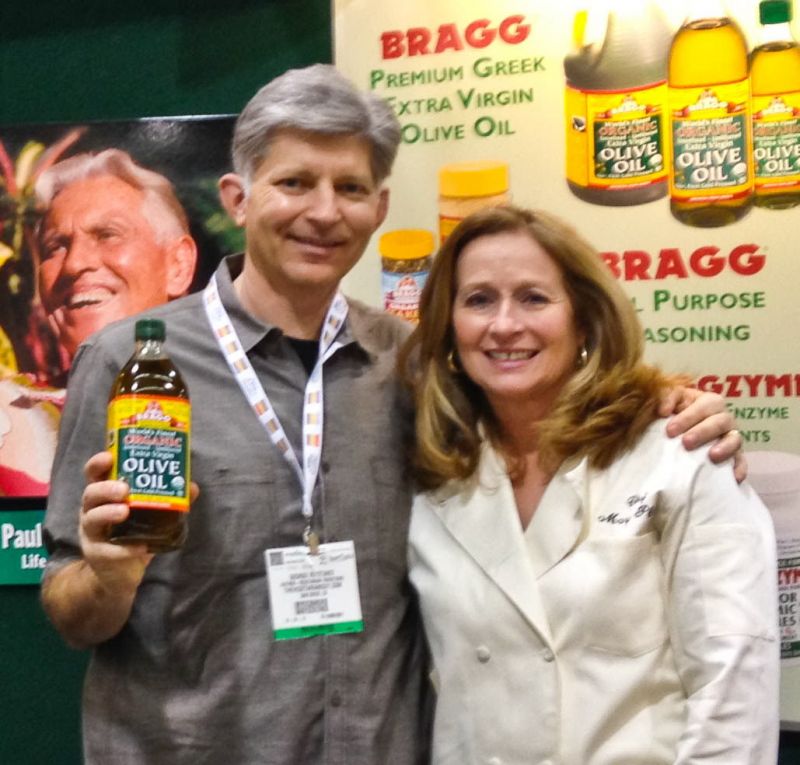
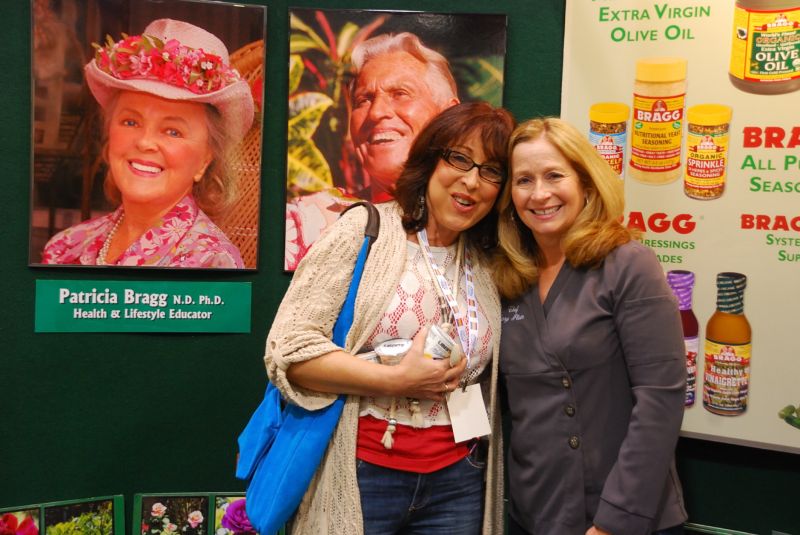
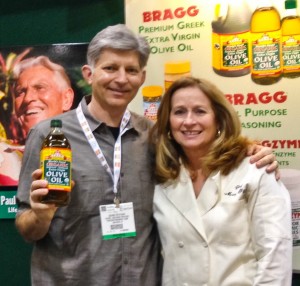
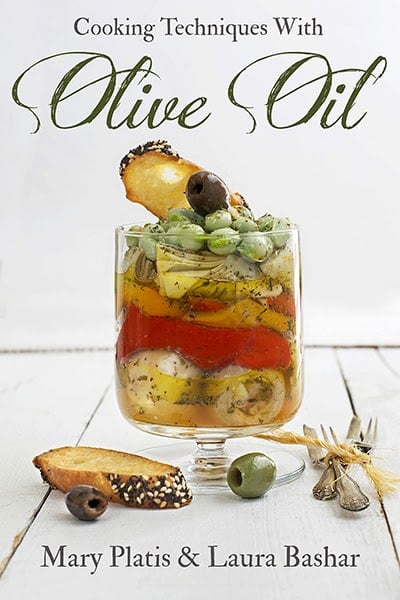
I recently had the pleasure of working on an article for Whole Foods Magazine on Olive Oil and the health benefits of cooking with oil. I currently use Bragg’s Organic Extra Virgin Oil in my recipes and at the cooking school where I teach. Olive oil has been in the media due to the large study UC Davis conducted back in 2012. This article was just published for Whole Foods Magazine and written by Tim Person. Whole Foods Magazine informs and educates the Natural Product Retailers with a monthly magazine. This article appears in their February 2012 issue.
Healthy Fun with Cooking Oil!
Bringing natural cooking oils home is a win/win for consumer palates and consumer health.
Today, everyone is a chef, as consumers go to grocery stores in droves looking for cooking oils to add to their home concoctions, be they salads or sizzling sauté dishes. You should be ready to guide them toward oils that not only taste good and are versatile in the kitchen, but also represent a step in the right direction for a healthy diet.
Getting Creative in the Kitchen
In her cooking classes centered on the use of olive oil, Mary Platis likes to tell her students, first and foremost, to become familiar with the taste of this ingredient. A Greek chef, she is a consultant on an organic extra-virgin olive oil product sourced from Greece and offered by Bragg Live Food Products, Santa Barbara, CA. Platis explains that a cooking oil has to fit the food you’re cooking it with, and that olive oil happens to be a perfect match for all of the food found in the popular Mediterranean diet.
She also instructs people on how to look at olive oil labels when they’re at the store. She says to look for unrefined, pure olive oil as detailed on the label to find the best products. USDA and IOOC (International Olive Oil Council) certified organic olive oil from Greece is one example of quality that she cites, while others may be familiar with the famous “Made In Italy” designation of other extra-virgin oils. Including sharing her Greek food heritage on her blog at www.californiagreekgirl.com, Platis is an all-around advocate for olive oil in the home kitchen because of its wide array of applications as well as its stellar health profile.
In her classes, she takes students through the process of sautéing with olive oil (don’t use high heat, because it can strip olive oil of its health benefits), roasting with it and using it as an ingredient in sauces and marinades. At the end of a given recipe, she’ll use the oil to further enhance the dish: drizzling olive oil on a soup, over a finished pizza or over an ice cream dish that is already infused with olive oil to enhance the flavor.
Importantly, Platis encourages home cooks to utilize olive oil in place of butter when they can. Keeping in mind that olive oil, like all oils, is characterized by its fat content (one tablespoon, Platis says, equates to about 120 calories), the practice of using it as a butter replacement can improve the health profile of meals without sacrificing taste. “It has this robust flavor, peppery…it gives you that zing at the end in your throat,” Platis says.
Extra-virgin olive oil is also good for drizzling on pasta and vegetables, she says. “When you marinate with olive oil, it penetrates the first few layers of the food. So, it does give it that buttery, peppery feeling that you want for your meats or chicken,” she adds. In general, adding it as a finishing touch enhances the flavors inherent in the food, especially of the Mediterranean variety. Platis goes on to cite further applications: using it as an ingredient in hummus, in various desserts, in Greek and herbal salad dressings, as a bread dip and in making savory breads. All are useful ideas, and excitingly, they do not exhaust the culinary potential of olive oil as an ingredient.
Mary Ann Siciliano, national sales manager of Arista Industries, Inc., Wilton, CT, reels off many of the other home cooking oils and their typical uses as she sees them. “Some of the specialty oils, like avocado, brazil nut, grape seed, hazelnut, macadamia and rice bran are used on salads, whereas the less expensive oils, like canola, corn, olive, safflower, sunflower and soy are used for baking and frying.”
Coconut oil, also, should not go unmentioned, as it surges in popularity as a cooking ingredient in the United States. “The high smoke point of coconut oil makes it ideal for browning meats and sautéing vegetables. Coconut oil also makes a light, flaky pie crust, and is a great vegan butter alternative in all baked goods,” says Erin Meagher, founder of Kelapo Coconut Oil, Tampa, FL. Though it has not enjoyed the reputation for long, many consumers look at it today as more than a tropical novelty. “We always say that organic coconut oil is perfect for all dishes from savory to sweet. The flavor of coconut oil is extremely versatile,” Meagher says. Its reputation from a health perspective, as we’ll see, is in the process of rehabilitation, too.
Austrian pumpkin oil has an extensive history of consumption for its health benefits. Derived from the roasted seeds of the Styrian pumpkin variety (curcubita pepo var. styriaca), it can be used in desserts or on salads. Cooking with it, however, will strip it of some of the nutrients that lend it a strong reputation for healthfulness.
Not all desire it in every culinary context, but for those that would like their cooking oil to become an integral part of the flavor of a dish, the key is to keep things unrefined, according to Hillary Kallaway, training manager for Spectrum Organic Products, Petaluma, CA. Consumers should select an unrefined olive, coconut, sesame or peanut oil, she argues, in order to bring taste to the forefront. “Unrefined oils retain their natural flavors and are best used at lower heats. They can also be drizzled over the finished dish for added flavor,” she says.
As awareness of the healthy oil offerings available to U.S. consumers grows, there is an opportunity for an already robust market to flourish. Says TJ McIntyre, vice president and general manager of Earth Balance, Longmont, CO, “If healthy oils are able to replace butter and still deliver on taste and performance in cooking and baking, there is not only an opportunity to highlight a very relevant difference from a saturated fat perspective, but there are allergy avoidance (lactose allergy and intolerance, casein allergy and avoidance) and ethical driven avoidance (vegans) issues that are a bona fide market opportunity for retailers.”
Better For You
In some cases, it’s a matter of selecting an oil that is natural over others that are synthetic and unhealthy. Or, we may focus on inherent differences in the healthfulness of an oil’s nutritive content. But any comparison of the health benefits of one oil with those of another usually begins with their respective fat profiles. “The problem with the American diet is it’s very high in saturated fat. Of course, we know that a diet high in saturated fat promotes increased cholesterol and increases risk of heart disease,” says John Westerdahl, Ph.D., R.D., director of health science for Bragg Live Food Products, and host of the national radio program Health & Longevity (www.HealthAndLongevityRadio.com). These saturated fats are ingested primarily in the form of animal products, dairy and hydrogenated fat in processed food.
Organic extra-virgin olive oil, Westerdahl says, is optimal for replacing these other types of fats, mostly due to its monounsaturated fat content. People following the Mediterranean diet often eat similar amounts of total fat as other cultures that suffer more from obesity and disease. But, he points out, the type of fat consumed differs greatly. Westerdahl adds that polyunsaturated fats may also need to be avoided in large quantities. They have been linked to the production of carcinogenic compounds and an increased risk of cancer, he says, neither of which is the case with the monounsaturated fat that predominates pure olive oil. Informally, he breaks down olive oil’s fat content this way: a typical tablespoon will contain about 14 grams of fat. Two grams of that fat is saturated, none is trans fat, two grams are polyunsaturated and 10 grams are monounsaturated.
One of the things that makes the koroneiki olive variety native to Greece unique is its high polyphenol content compared to other olives and not present in butter, according to Westerdahl. Unfiltered, unrefined oil is important in this context because these healthful phytochemicals are not present at the same levels in refined oils, he says. These polyphenols are antioxidants, and carry the protective effects that all such substances provide. “Basically, the olive oil runs through your blood system and it attacks all the free radicals,” says Platis.
There’s more to the olive oil health connection that research is still uncovering. Vitamin E is present in extra-virgin olive oil, Platis notes; she also alludes to the fact that it’s been found to possess anti-inflammatory effects similar to Ibuprofen (1). Platis emphasizes the importance of cold-pressed oil that retains its natural healthfulness, and further notes that bottle size can be an important consideration. “You shouldn’t keep your olive oils more than 12 months,” she says. Also, Westerdahl cautions against going overboard with the use of olive or any other oil, saying “It still is fat, so you still have to use it in moderation because fat contributes calories to the diet.”
Some manufacturers seek to accentuate what olive oil has to offer. McIntyre says his company’s non-genetically modified oil is combined and formulated with a patented process designed to reduce LDL cholesterol (considered a risk factor for disease) and increase HDL, often dubbed good cholesterol. The cholesterol factor is not the only one in considering one’s choice in cooking oil. “Healthy oils in the diet can help improve cholesterol levels, which lower the risk of heart disease. They have also been shown to lower blood pressure levels and have a positive effect on blood sugar control,” says Siciliano.
Many of the pre-packaged instant meals that are available call for the use of an added ingredient, specifically butter or vegetable oil, Meagher notes. Educating consumers that certain healthy oils, like coconut oil, can be used as a 1:1 replacement in these recipes will serve to increase their usage. “Consumers shouldn’t introduce healthy oils without replacing the unhealthy ones or else they will be consuming too much oil. For example, with instant mac and cheese, skip the butter and use coconut oil. For your child’s birthday cake, use organic coconut oil instead of refined vegetable oil,” she says.
Research is ongoing into the health benefits of coconut oil. Meagher shares her excitement over some anecdotal reports, saying,“Dr. Mary Newport claims that it improved her husband’s Alzheimer’s symptoms, and television’s Dr. Oz says that coconut oil can speed up metabolism, improve skin conditions and help treat ulcers.” The anti-viral, anti-bacterial and anti-fungal properties of coconut oil are also being investigated, she adds. Coconut oil contains lauric acid, a type of fat that is converted in the body into monolaurin, according to Kallaway. This may be responsible for any anti-bacterial properties coconut oil may possess.
Part of this healthful difference comes from the distinction between plant-based saturated fats and animal-based saturated fats, Meagher explains. “The key ingredients in coconut oil are medium-chain triglycerides, or MCTs. The body converts MCTs into energy immediately instead of storing the fat for later use,” she states.
According to information provided by pumpkin oil distributor Austria’s Finest Naturally, oil from the Austrian pumpkin can be linked to male prostate health, and a reduced risk of breast cancer. In the former case, the oil has been found to address urinary difficulties associated with an enlarged prostate, though it does not address the underlying problem. And, the oil has a high content of alpha-linoleic acid, high levels of which have been found to be inversely associated with breast cancer risk (3).
For consumers, avoiding trans-fat may be difficult, but checking the ingredient list is the best place to start. Make sure the list does not include the words trans-fat, Kallaway explains, because even if there is a 0 g trans fat claim on the front label, this only means that there is less than 0.5 g of trans-fat per serving in that product. There are other, more alarming reasons for consumers to check cooking oil labels today, including making sure that “olive oil” is really olive oil.
Oil in the Marketplace
Consumers need to be careful when approaching cooking oils in today’s market. Specifically, there is a trend toward dilution of the oil designated on the label with other, cheaper kinds of oil. “For instance, there are some salad dressings that will say they’re made with 100% extra-virgin olive oil. But when you look at it, you’ll see it also has soybean oil and canola oil,” says Westerdahl. In some cases, this may actually mean, he says, that very little of the oil touted on the label is present.
One potential problem with this type of adulteration is the allergy risk. Someone that needs to avoid peanuts cannot afford to make the mistake of buying an olive oil spiked with peanut oil. “The more you see olive oil in your farmers’ markets, and you see them at your health food stores and now in mainstream grocery stores, I think it’s really important that we educate people on how to select their olive oils. Just because it says extra-virgin oil does not mean that’s what it is nowadays,” says Platis.
In the case of olive oil, the problem is how big the business has grown: $720 million is spent on the stuff annually, according to one estimate (3). Looking for quality control assurances on products, like the seal of the California Olive Oil Council, can allow you to, in turn, assure your customers about what they’re getting.
Cooking oils in general, and certain oils in particular, are riding a wave to bigger sales numbers. Figures for coconut oil are expected to grow, Meagher says, as the market enjoys the recent popularity of coconut water and the celebrity buzz surrounding the oil’s health benefits. “The decision to switch to a new oil may be based on buzz in the beginning, but because of the taste and health benefits, the consumer makes a conscious decision to incorporate it into their daily habits and routines,” Meagher says.
Finally, the market as a whole is watching the price of soybeans. Meagher says it’s wonderful to see states moving to decrease or eliminate trans-fats in public restaurants and food options. But this transition has caused soybean demand to fall and prices to rise due to subsequent harvest shortages. This may boost the fortunes of other oils, and many are hoping it’s a boon for the healthier options on the market. WF
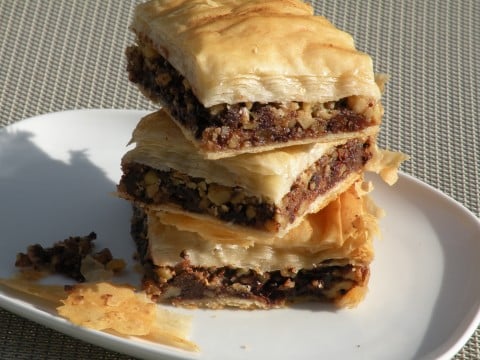
For thousands of years Greeks have been using thick sheep and goat’s milk to make this rich custard pita pie called Greek Galatoboureko. It’s a sweet, delicate pie, with it’s many layers of crispy phyllo leaves. In Crete and Northern Greece, it’s still called by it’s Turkish name Bougatsa. Every town has there own version, varying the style, ingredients and flavorings. This dessert can be eaten hot or cold. I love it straight out of the oven, warm- while on the other hand the next day it’s delicious cold for breakfast or for an afternoon snack. Bougatsa is filled custard without the syrup, and it’s sprinkled with powdered sugar, a perfect breakfast. Both require making a custard, so Galatoboureko is often a special treat for company or a special occasion. Below is a excerpt from my collection of Greek Cookbooks. In this book, And the Greeks, it describes how “sweetmeats” all began. If you have trouble finding phyllo, you can but it online at Filo Factory.
This is a very rich custard dessert, so I suggest you cut the pieces small in size, 2-3 inches square.
From my special book : And the Greeks by Allan Macdougall 1942. He was a clever man who first thought up the use of sweetmeats; For he added thus a pleasant lengthening to the feast, and filled the mouths and save the jaws from idealless. -Alexis
Please note: This recipe comes from my sister-in law Vicky. We made this together several times and she is a pro when making this! One thing to remember to adjust is the size of the pan in the recipe from a 11×17 to two smaller pans if needed. We are both caterers and use much larger pans than the average household pans. We both love to cook for a large group!
This luscious custard pie is very traditional in the Greek cuisine. Set some time aside to make this but it's worth every bite! It can be served warm, room temperature, or cold. Note: This recipe requires a large baking pan.
Slowly whisk in semolina stirring constantly, and bring mixture slowly to a boil and stir until slightly thickened like pudding about 15-20 minutes.
Remove from stove and cool.
Beat egg yolks, 2 cups sugar, and vanilla in a mixer for 5 minutes until pale and fluffy.
In a separate bowl beat egg whites until stiff peaks form.
Slowly whisk eggs yolks into cooled milk mixture.
Fold in egg whites.
Pre-heat oven to 400 degrees.
Butter a deep 11x17 inch baking pan, with 2-3-inch sides.
Place one sheet of phyllo in pan and brush with butter.
Repeat layering until 1/2 of the pound of phyllo.
Pour the custard over the phyllo.
Repeat layering the remaining phyllo on top until all of the sheets are used.
With a sharp knife or scissors, slice through the top layers of the phyllo making 2 or 3 inch squares.
Bake for 10 minutes, reduce to 350 degrees and bake for 45 minutes, or until golden.
Turn off oven and leave pastry in the oven for 10 minutes. Test with a knife, with it comes out clean it’s done.
While the pastry bakes make the syrup.
Place all the ingredients in a medium pot. Bring to a boil and simmer for 10 minutes. Let cool.
Pour the cooled syrup over galotoboureko.
Cut all the way to the bottom with a sharp knife, and serve warm.
Or cool and place in the refrigerator and serve cold.
Recipe Notes
This recipe can be halved, and placed in a smaller pan. Can be frozen before cooking, defrosted, and baked. I cut the 11x17 pan , 4x6 to create 24 pieces.
Note: This filling puffs up quite a bit, but as it cooks it deflates. This is what makes the filling so creamy.
If you are a fan of custard like I am, you may want to try these recipes below from my blog:
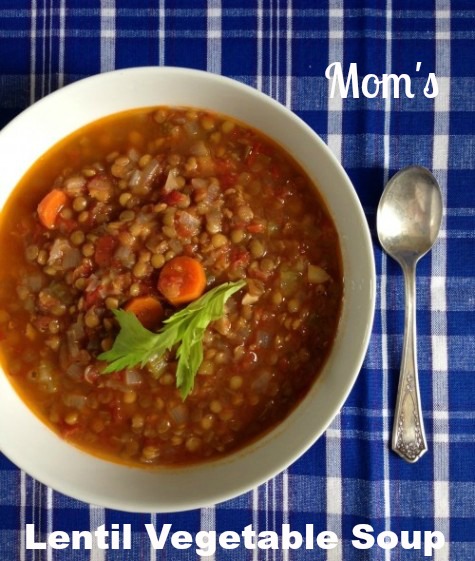
Lentils are not only for soups! They are vey versatile adding them to salads, stews, and used fresh-cooked as a side dish. But, I do love soups and lentil dishes all year round. Brown lentils are sold with their seed coat on, and have a grayish-brown exterior and a creamy interior, a staple in the Greek diet. Lentils provide you with protein, calcium and vitamins A and B, iron, and fiber.
A traditional Greek lentil soup is made from the brown variety. Red lentils bring a new flavor to my taste buds, a smoother and creamier consistency. Red lentils are smaller, rounder, and sans seed coat, popular in many cultures including the Middle-East, India, and Morocco. This tiny-shaped pulse has long been used as a meat substitute for centuries. Give these a try and you will be surprised with the new flavors of red lentils.
Lentils are high in nutrients:
Lentils reduce your risk of chronic disease such as diabetes, obesity, cancer and heart disease.
Their rich content of protective plant compounds called phenols, help with anti-inflammatory properties.
A big source of plant protein.
Heart -healthy, lowers blood sugars, and improves your digestive tract.
Hello from California Greek Girl. I’m the owner of Ethos Culinary located in the beautiful city of Carlsbad. Join me as we explore California’s bounty of foods, farmlands, and culinary experts. I’m looking forward to bringing you Greek, Mediterranean and Plant-Forward Cuisines. OPA!